
As urban living spaces shrink, the need for creative solutions becomes paramount, especially when it comes to providing children with dedicated play areas. Transforming a closet into a chic playroom for kids can seem daunting, but with the right approach, it can not only be practical but also stylish. This article explores different options, weighing the pros and cons, and providing actionable recommendations to help you create a vibrant play space without overwhelming your home.
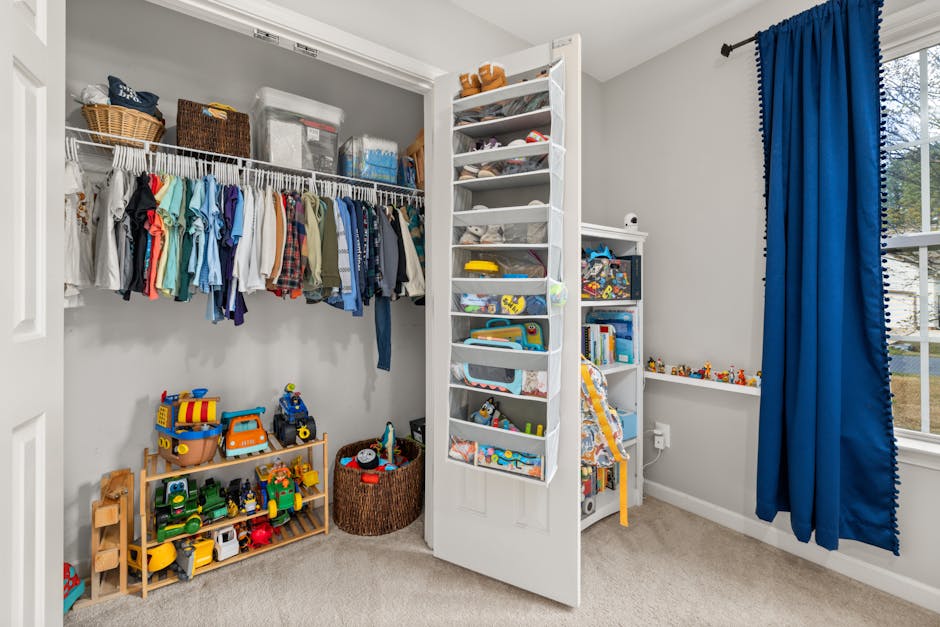
Understanding the Space: The Closet as a Playroom
Before diving into the transformation process, it’s crucial to assess the closet's dimensions, layout, and existing contents. Closets often come with built-in shelves or rods, which can either be an advantage or a hindrance based on your design goals.
- Dimensions: Measure the height, width, and depth of your closet. Small, narrow closets may limit the types of furniture you can include.
- Existing Features: Identify if there are any hooks, shelves, or storage bins that can be reused or need to be removed.
- Natural Light: Consider if your closet has any windows or if you can install lighting to brighten the space.
Option 1: Built-In Furniture Solutions
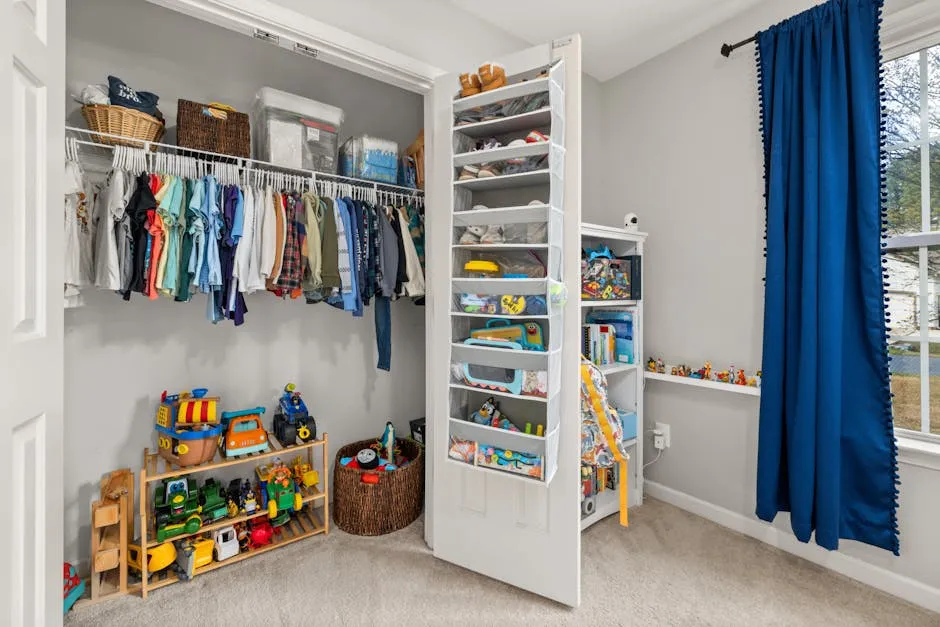
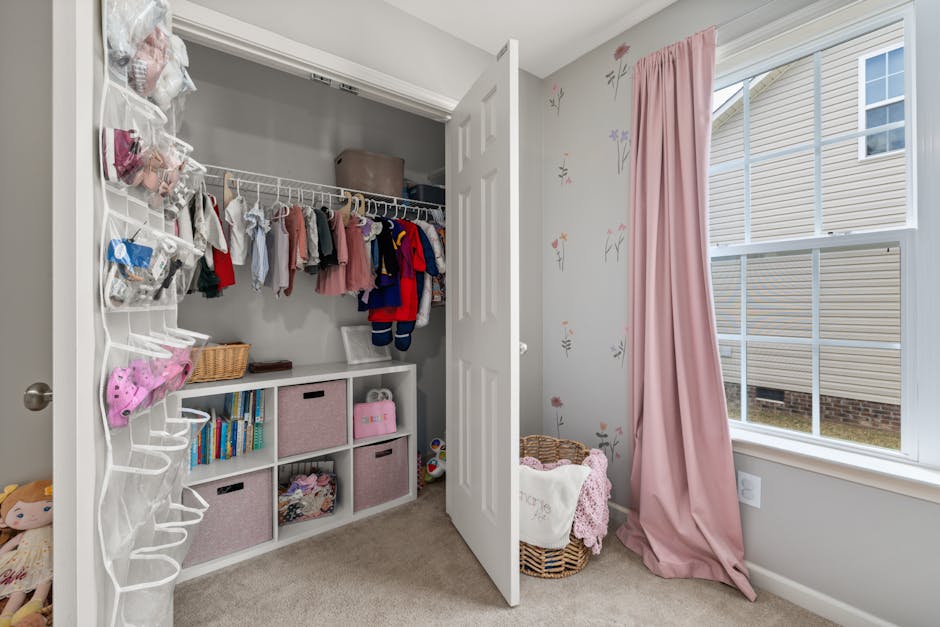
Building in furniture is a popular option for creating a seamless play area. With custom shelves, benches, and storage cubbies, you can maximize every inch of space.
Pros:
- Customizable to fit your specific needs and closet dimensions.
- Can create an organized look with designated spaces for different toys and activities.
- Potentially increases the home's value through high-quality craftsmanship.
Cons:
- Higher upfront costs for materials and labor.
- Requires time and planning to design and install.
- May limit flexibility if you want to change the layout in the future.
For example, if you have a closet that measures 5' x 3', consider building a bench seat with storage beneath, flanked by shelves for books and toys. This creates a cozy reading nook while providing ample space for play.
Option 2: Modular Storage Units
If a permanent solution feels too restrictive, consider modular storage units that can be rearranged as your child's needs evolve. These units come in various shapes and sizes and can be easily transported if necessary.
Pros:
- Flexibility to adapt as your child grows or interests change.
- Easy to assemble and disassemble, allowing for relocation.
- Often more affordable than custom-built solutions.
Cons:
- May require more effort to keep organized, as items can easily get misplaced.
- Less tailored to fit the exact dimensions of your closet, potentially wasting space.
- Quality may vary significantly based on brand and materials.
Imagine a setup with a small, stackable unit that fits snugly in the corner of the closet, with bins for different types of toys. As your child grows, you can easily adjust the layout or even add more units to accommodate new interests.
Option 3: Creative Decor and Theming
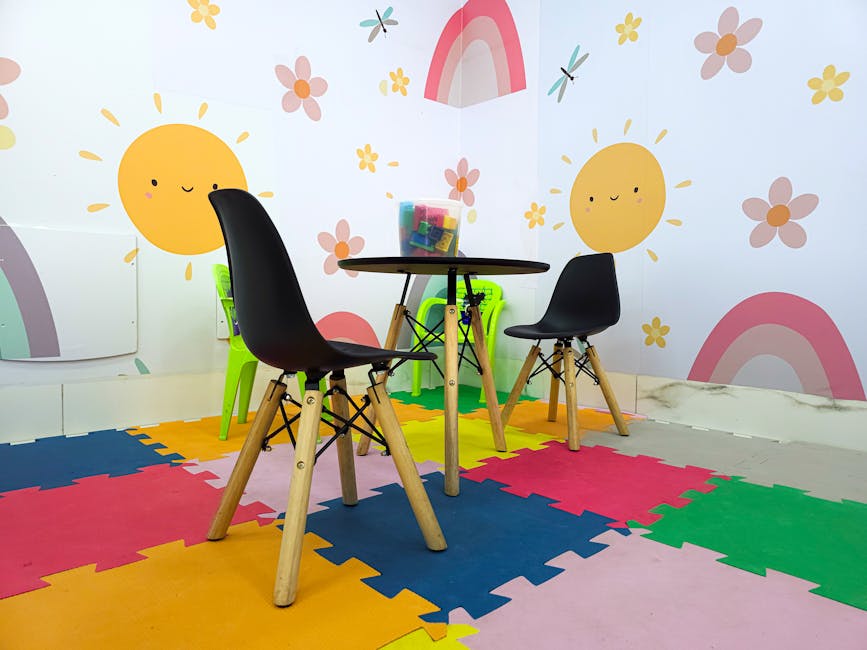
A chic playroom isn’t just about storage; the decor plays a vital role in making the space inviting. Consider painting the closet walls in bright colors or applying removable wallpaper to create a fun atmosphere.
Pros:
- Enhances the overall appeal of the space, making it more enjoyable for your child.
- Relatively low cost compared to structural changes or new furniture.
- Can be easily changed as your child’s tastes evolve.
Cons:
- Decor changes may need frequent updates, especially as trends shift.
- Potentially requires additional time and effort for installation.
- Some decor options may not be suitable for small, enclosed spaces with limited ventilation.
Consider a theme such as a forest or underwater adventure, using wall decals and themed rugs to transport your child’s imagination.
Practical Constraints: What to Consider
While turning a closet into a playroom sounds appealing, several practical constraints should be considered. One significant factor is safety, as the space must be childproofed to prevent accidents. Additionally, assess the available electrical outlets for lighting and any electronic toys.
- Safety: Ensure that all furniture is secure and that heavy items are stored out of reach.
- Ventilation: Closets can often feel stuffy; consider adding a small fan if the space lacks air circulation.
- Access: Ensure that the play area is easily accessible for your child without any obstacles.
Actionable Recommendations
To wrap up the transformation process effectively, here are actionable recommendations to consider:
- Start by decluttering the closet; keep only what your child actively uses.
- Invest in quality storage solutions that fit the chosen design style.
- Incorporate elements of fun and creativity in decor to stimulate play.
- Regularly reassess the space as your child grows, adjusting storage and decor as needed.
By following these steps, you can create a chic playroom within your closet that not only maximizes space but also fosters creativity and joy for your kids.