
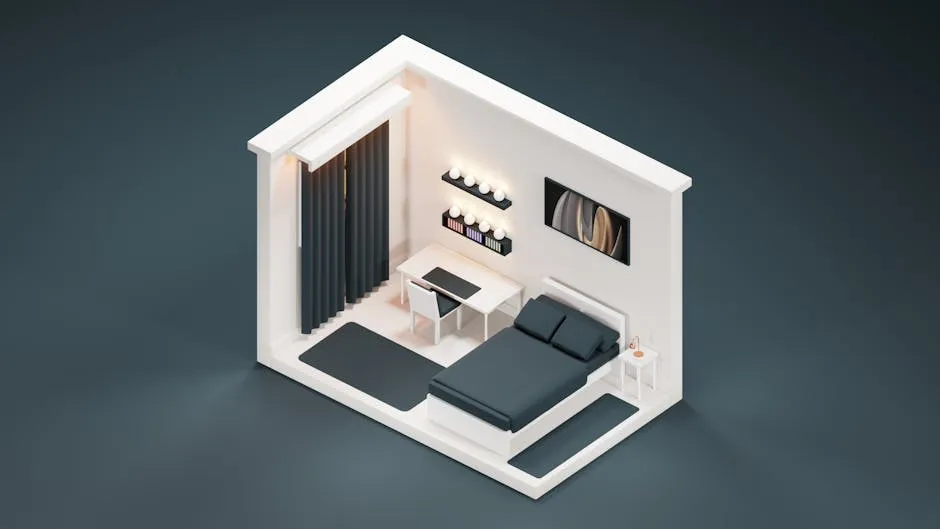
In today’s urban environment, compact living spaces have become a necessity for many. Designing a multi-functional bedroom is essential for maximizing both comfort and utility in these smaller areas. This guide will delve into innovative strategies and solutions that transform your bedroom into a versatile haven without compromising on style or function.
Understanding the Needs of a Multi-Functional Bedroom
The first step in designing a multi-functional bedroom is to understand the specific needs of the occupant. A bedroom must serve as a place for rest, but it can also double as a workspace, storage area, and relaxation zone. By identifying the primary functions required, you can tailor the design to meet these demands.
Identifying Primary Functions
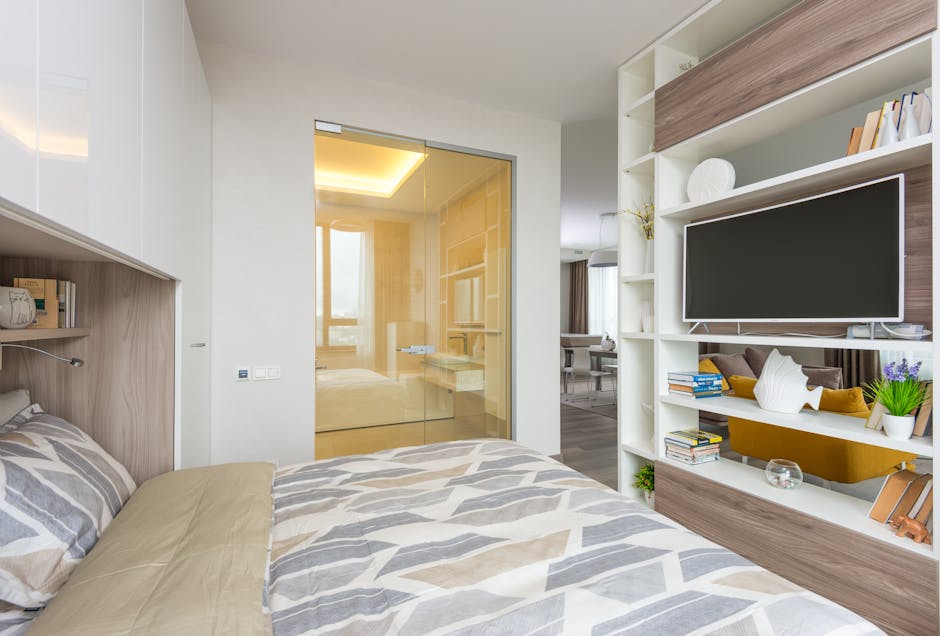
- Sleeping: The bed is the centerpiece of the bedroom, and it should promote quality sleep.
- Working: With remote work becoming more common, a designated work area within the bedroom is essential.
- Storage: Efficient storage solutions are crucial for keeping the space organized and clutter-free.
- Relaxation: Incorporate areas for leisure activities, such as reading or meditating.
Smart Furniture Choices for Limited Spaces
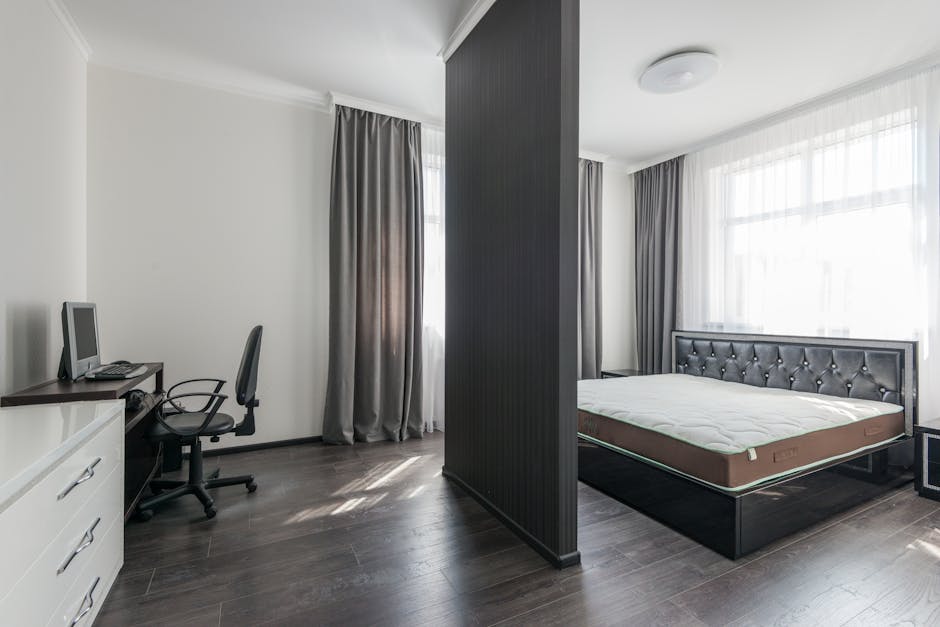
Selecting furniture that serves multiple purposes is key in compact spaces. Consider versatile pieces that can adapt to various needs throughout the day.
Convertible Furniture
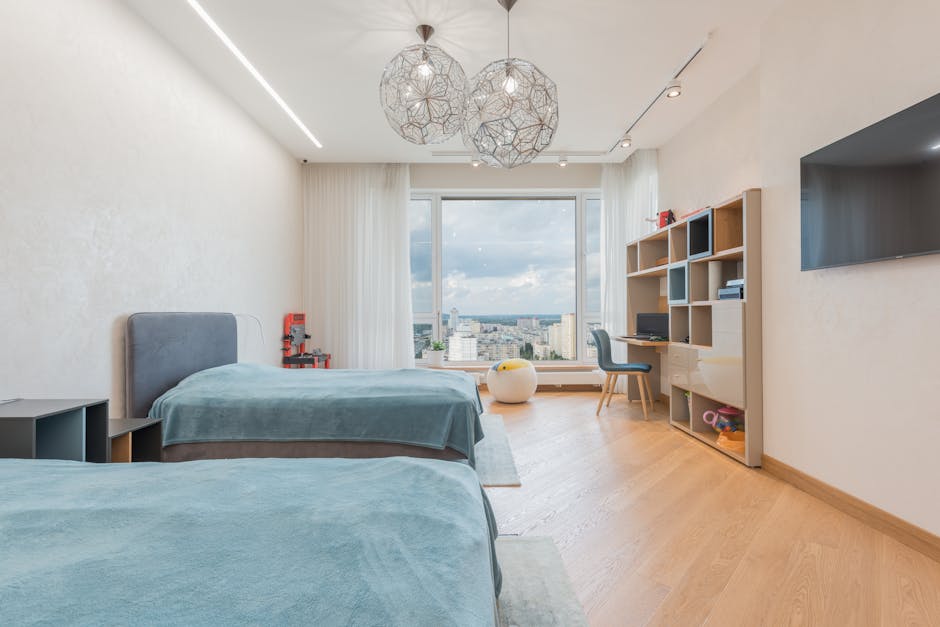
- Murphy Beds: These beds fold up against the wall when not in use, freeing up floor space.
- Foldable Desks: A desk that can be tucked away when not needed helps maintain an open feel.
- Sofa Beds: Ideal for accommodating guests, they can transform from a seating area into a sleeping space.
Multi-Use Storage Solutions
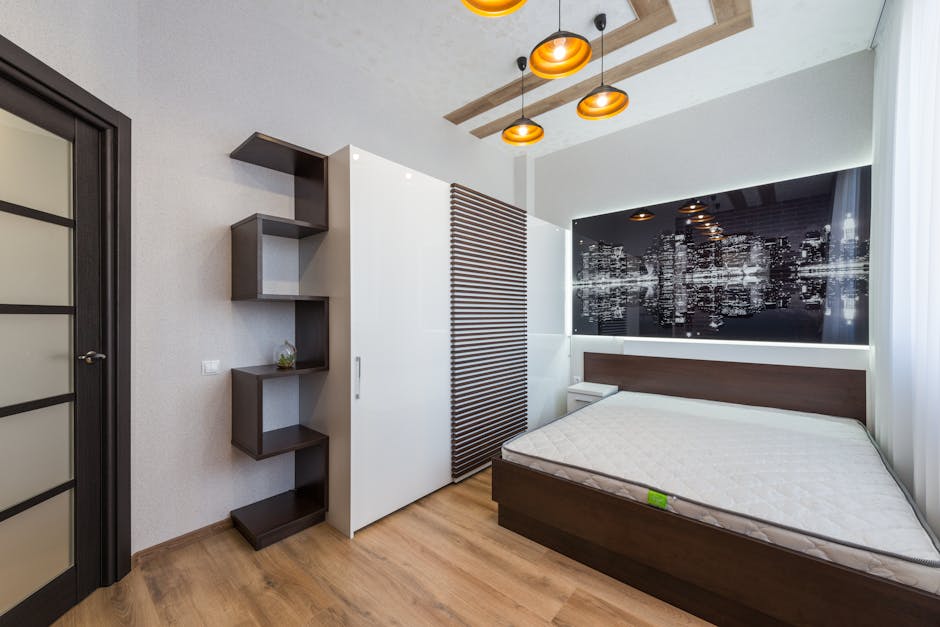
Incorporate furniture that offers built-in storage, such as beds with drawers or ottomans that open up to store items. This strategy not only saves space but also keeps the room tidy.
Color and Lighting: Creating an Illusion of Space
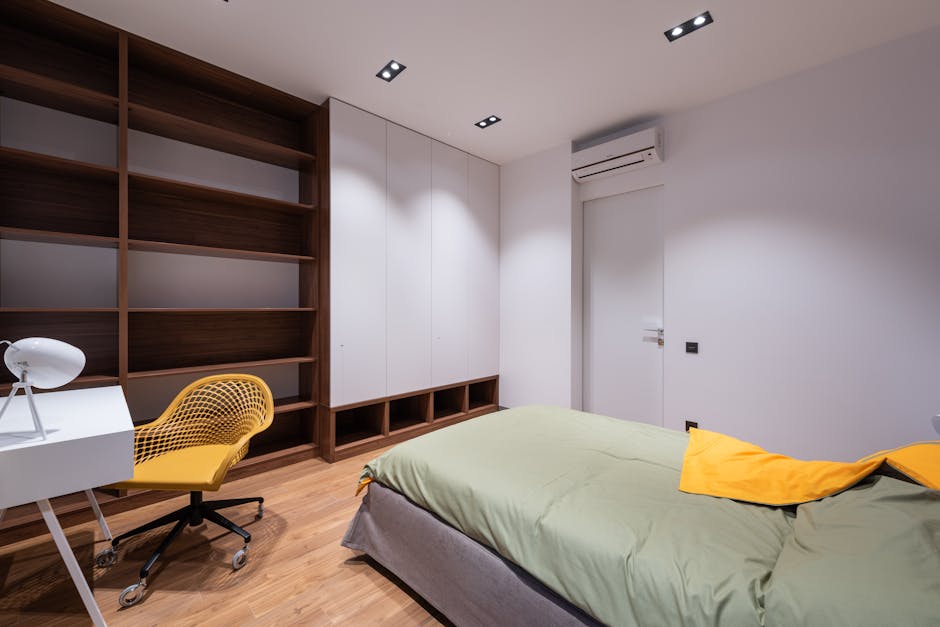
The right choice of colors and lighting can drastically affect how spacious a room feels. Lighter colors tend to create an airy atmosphere, while strategic lighting can enhance depth and dimension.
Choosing the Right Color Palette
- Light Colors: Whites, soft grays, and pastels can make a room feel larger.
- Accent Walls: A bold accent wall can add character without overwhelming the space.
- Monochromatic Schemes: Using various shades of the same color can create a seamless look.
Lighting Techniques
Utilize various lighting sources to create layers in your bedroom design:
- Ambient Lighting: General lighting fixtures that illuminate the entire room.
- Task Lighting: Focused lighting for specific tasks, such as reading lights or desk lamps.
- Accent Lighting: Highlighting artwork or architectural features to add depth.
Incorporating Technology for Efficiency
In the modern bedroom, technology plays a crucial role in enhancing functionality and convenience. Smart home devices can simplify tasks and improve the overall living experience.
Smart Storage Solutions
Consider using technology to help manage space effectively. Smart storage solutions include:
- App-Controlled Closet Systems: Optimize closet space with adjustable shelving and lighting.
- Smart Mirrors: Mirrors with built-in lighting and Bluetooth connectivity can serve multiple purposes.
Automation for Comfort
- Smart Thermostats: Regulate the temperature for optimal comfort.
- Voice-Activated Devices: Control lighting and music with simple voice commands.
Maximizing Vertical Space
In compact bedrooms, utilizing vertical space is essential. This often-overlooked area can add significant storage and efficiency to your bedroom design.
Vertical Shelving and Storage
- Wall-Mounted Shelves: Use wall space for books, decor, and essentials.
- Overhead Storage: Install cabinets above the bed or desk to keep items out of the way.
Hanging Solutions
Consider hanging organizers for shoes, accessories, or even plants. This method frees up floor space while adding decorative elements.
Creating a Cozy Atmosphere
A multi-functional bedroom should not only be practical but also inviting. Incorporating personal touches and cozy elements can enhance the overall ambiance.
Textiles and Accessories
- Layered Bedding: Use various textures and colors to create a warm, inviting bed.
- Rugs: Area rugs can define spaces, especially in a multi-functional room.
- Decorative Pillows: Add comfort and style with an assortment of pillows.
Personal Touches
Incorporate artwork, photographs, or memorabilia that reflect your personality. This not only makes the space feel more like home but also adds a unique charm.
Common Mistakes in Multi-Functional Bedroom Design
Even experienced designers can overlook certain aspects when creating a multi-functional bedroom. Avoiding these common pitfalls can lead to a more efficient and pleasant living space.
Overcrowding the Space
Be mindful of the number of items you bring into the room. Less is often more in compact spaces. Aim for essential items that serve multiple purposes.
Ignoring Flow and Accessibility
Ensure that furniture placement allows for easy movement throughout the room. Accessibility should be a priority to maintain comfort and functionality.
Neglecting Personal Style
While functionality is crucial, don’t forget to express your personal style. A beautifully designed space can enhance your mood and comfort.
Frequently Asked Questions
The best options include Murphy beds, foldable desks, and sofa beds, as they maximize space while serving multiple purposes.
Using light colors, mirrors, and strategic lighting can create an illusion of space. Additionally, keep the room decluttered to maintain an open feel.
Consider utilizing vertical storage options like wall-mounted shelves, under-bed storage, and furniture with built-in storage to maximize space.
Smart home devices can automate lighting, temperature, and storage solutions, making it easier to manage your space and enhance comfort.
Avoid overcrowding, neglecting accessibility, and overlooking personal style to create a harmonious and functional space.