
Living in a tiny apartment presents unique challenges, especially when it comes to kitchen organization. With limited space, every square inch counts. However, implementing smart storage strategies can transform your cramped kitchen into a functional and enjoyable cooking area. This guide explores practical setup steps and realistic constraints to help you create a more organized kitchen, allowing you to cook, dine, and entertain with ease.
Assessing Your Space: Understanding Limitations and Possibilities
Before you dive into reorganizing your kitchen, it's crucial to assess what you have. Take a moment to evaluate your kitchen's layout, available storage options, and the items you use most frequently. Consider the following:
- Cabinetry: How many cabinets do you have? Are they upper, lower, or both?
- Counter Space: Is your counter cluttered, or do you have room to work?
- Appliances: What essential appliances do you need? Which can be stored away?
For instance, if you notice that your counter is overrun with appliances like a toaster, coffee maker, and blender, you might have to make some tough decisions about which items are essential versus which can be stored away. Identify the items you use daily and prioritize them for easy access.
Vertical Storage: Utilizing Walls and Ceilings
One of the most effective ways to maximize storage in a tiny kitchen is to use vertical space. Walls and ceilings often go underutilized, yet they can offer a wealth of storage opportunities. Here are some actionable strategies:
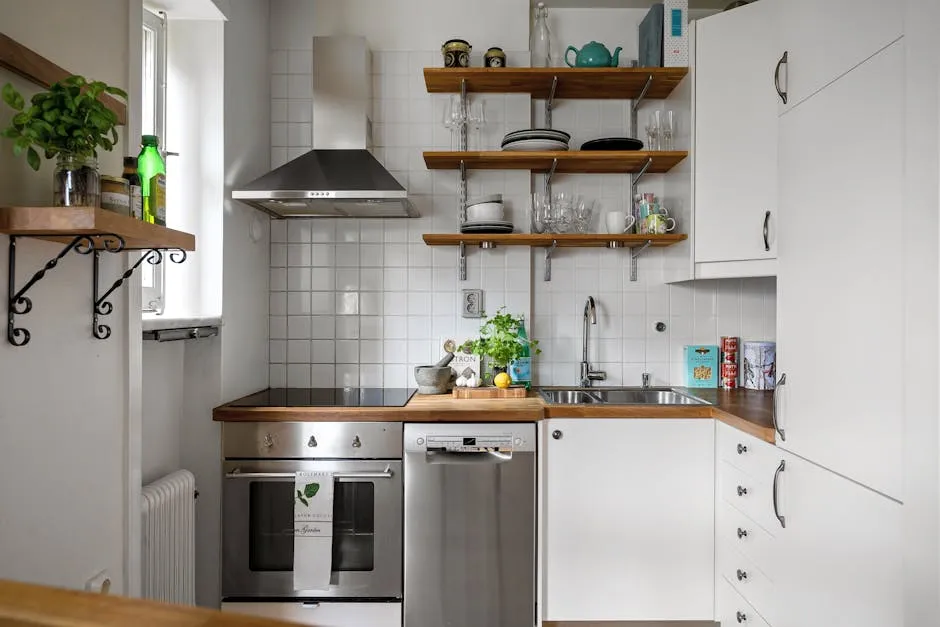
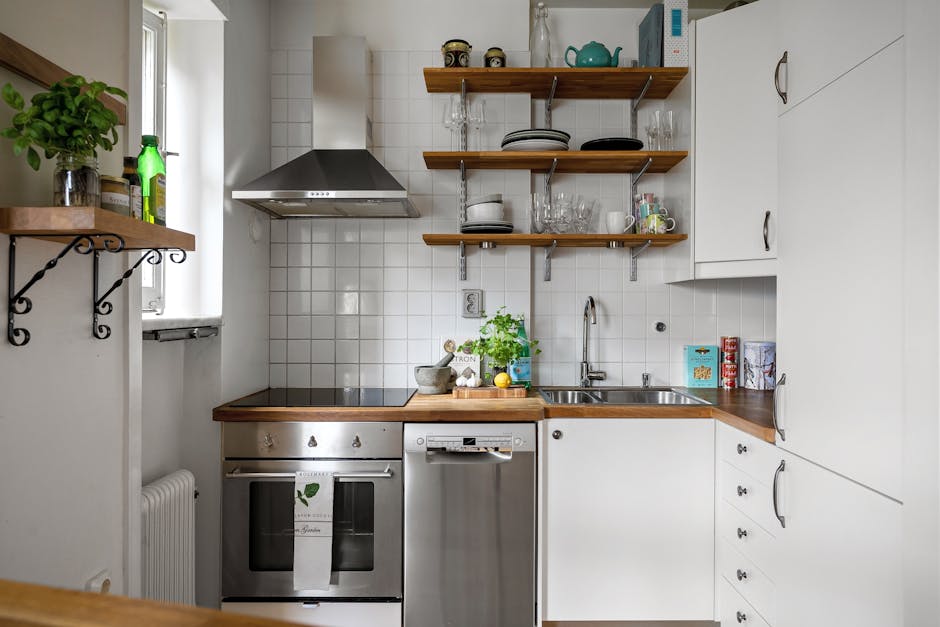
- Wall-Mounted Shelves: Install shelves above countertops to store cookbooks, spices, or decorative items. This frees up counter space and adds a personal touch.
- Hooks and Racks: Use hooks for hanging pots, pans, and utensils. A magnetic strip can keep knives accessible and safe.
- Ceiling Storage: If you have high ceilings, consider hanging pots or a pot rack. This not only saves space but also adds an interesting design element.
Imagine a small kitchen where the only available counter space is taken up by a bulky microwave. By moving that microwave to a wall-mounted shelf, you free up valuable space for meal prep. This simple shift can drastically change your kitchen's functionality.
Drawer and Cabinet Solutions: Maximizing Hidden Spaces
Drawers and cabinets can become cluttered quickly, especially in a small kitchen. However, with the right tools and techniques, you can make the most of these hidden spaces:
- Drawer Dividers: Use dividers to categorize utensils, making it easier to find what you need without digging.
- Pull-Out Bins: Consider pull-out shelves or bins for deep cabinets, providing easier access to items at the back.
- Stackable Containers: Invest in stackable containers for dry goods, maximizing vertical space and keeping everything organized.
A practical constraint to consider is the depth of your cabinets. Many small kitchens feature shallow cabinets, making it difficult to store larger items. Stackable containers can help by allowing you to store multiple items vertically, making the most of your available space.
Multi-Functional Furniture: Combining Storage and Utility
In a tiny kitchen, furniture can serve multiple purposes. Look for items that provide storage while also functioning as essential kitchen components. Consider these options:
- Dining Tables with Storage: Opt for a dining table with built-in shelves or drawers to store tableware or cookbooks.
- Island with Storage: If space allows, a kitchen island can offer additional counter space and storage underneath.
- Rolling Carts: A rolling cart can serve as a mobile prep station and can be tucked away when not in use.
For example, a rolling cart can be your best friend in a tiny kitchen. Use it for meal prep, and when you're done, roll it into a corner or tuck it away in a closet to free up space for dining. This flexibility allows you to adapt your kitchen to whatever task you're tackling.
Creating Zones: The Importance of Workflow
Creating functional zones within your kitchen can enhance efficiency and organization. By grouping similar items together, you streamline your cooking process. Here’s how to create effective zones:
- Prep Zone: Keep cutting boards, knives, and mixing bowls near your prep area.
- Cooking Zone: Store pots, pans, and utensils near the stove for easy access while cooking.
- Cleaning Zone: Organize dish soap, sponges, and towels near the sink.
Consider a scenario where you're preparing a large meal. If your prep zone is cluttered and far from your cooking zone, it can slow you down. By organizing your kitchen into distinct zones, you can minimize movement and enhance your cooking efficiency.
Frequently Asked Questions
Look for alternative storage solutions such as open shelving, storage carts, or using vertical space with wall-mounted racks and hooks.
Repurpose items you already have, like baskets for organizing pantry items or using mason jars for bulk goods storage.
Regularly declutter and reassess your kitchen tools and supplies. Maintaining a routine of organizing will help you keep things tidy.
Absolutely! Decorative bowls, jars, and shelves can be both functional and aesthetically pleasing, allowing you to display items while keeping them organized.
Store seasonal items in an easily accessible location, such as under the bed or in a closet, using clear bins to make items visible and easy to retrieve.