
Hallways often serve as the neglected spaces of our homes, mere passageways that rarely receive the attention they deserve. Yet, with a little ingenuity, these narrow corridors can be transformed into functional storage areas that enhance the organization of your home. The challenge lies in balancing aesthetics with practicality, and knowing what solutions will yield the greatest benefits without breaking the bank.
Assessing Your Hallway Space
Before diving into any renovation, a thorough assessment of your hallway's dimensions and layout is paramount. Take measurements to understand the width and length of the space. Consider the traffic flow and any existing architectural features, such as doors or windows, that may influence your design choices. This initial analysis will inform what types of storage solutions are feasible.
In practice, many homeowners overlook the potential of their hallways, opting instead for simple hooks or a console table. However, with strategic planning, you can maximize storage while maintaining a visually appealing corridor. For example, if your hallway is particularly narrow, floating shelves can offer a sleek solution without encroaching on walking space.
Cost Ranges for Hallway Storage Solutions
Budgeting for hallway storage can vary significantly based on materials and design complexity. Here’s a general breakdown:
| Storage Solution | Cost Range | Pros | Cons |
|---|---|---|---|
| Floating Shelves | $20 - $100 each | Space-saving, customizable | Weight limit, installation required |
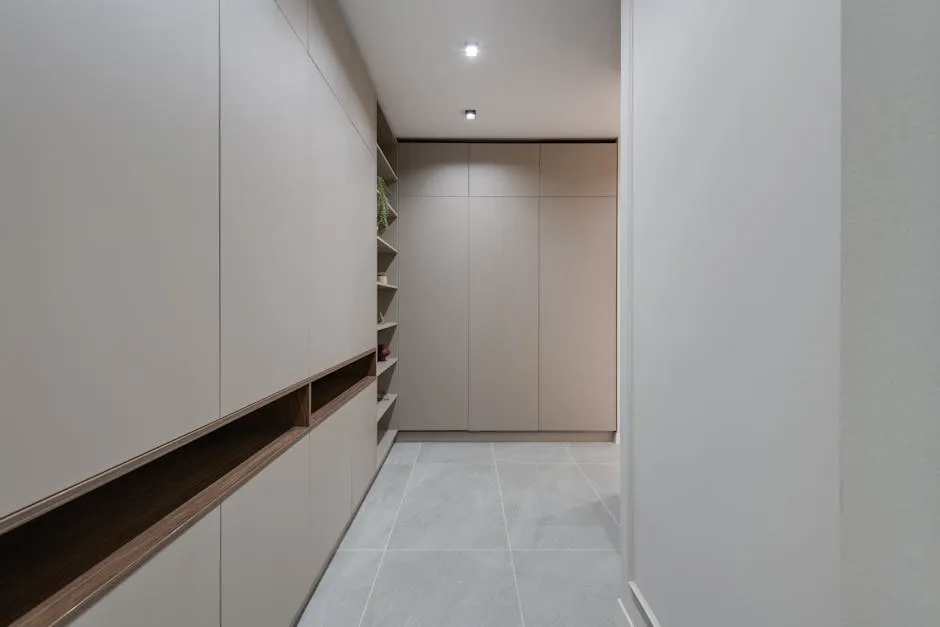
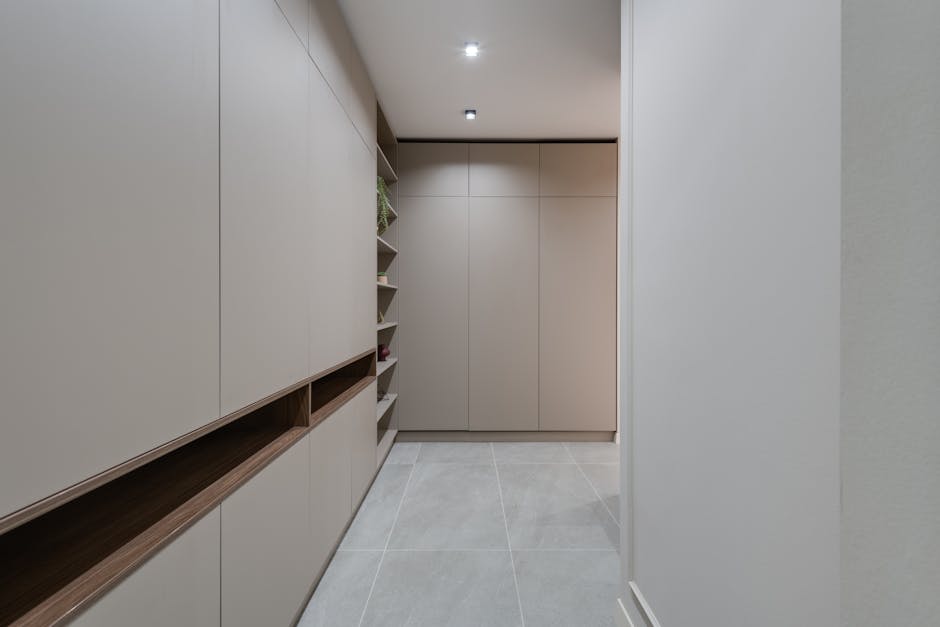
| Built-in Cabinets | $500 - $2,500 | Highly functional, tailored design | High cost, permanent solution |
| Overhead Bins | $50 - $200 | Utilizes vertical space, easy access | Can look cluttered if not organized |
| Wall Hooks | $10 - $50 | Inexpensive, easy to install | Limited storage capacity |
When prioritizing where to invest your budget, consider your immediate needs. For instance, if you often find shoes or bags littering the floor, incorporating a shoe rack or hooks near the entryway may be your best initial move. Alternatively, if you have a collection of items you want to display or store, floating shelves could be a worthwhile investment.
What to Prioritize in Your Design
Once you've established your budget, focus on solutions that enhance both utility and visual appeal. The first priority should always be accessibility. Items you use frequently should be stored at eye level or within easy reach. Consider how you interact with the space: if you often pass through with arms full, opt for open storage solutions that allow for quick access.
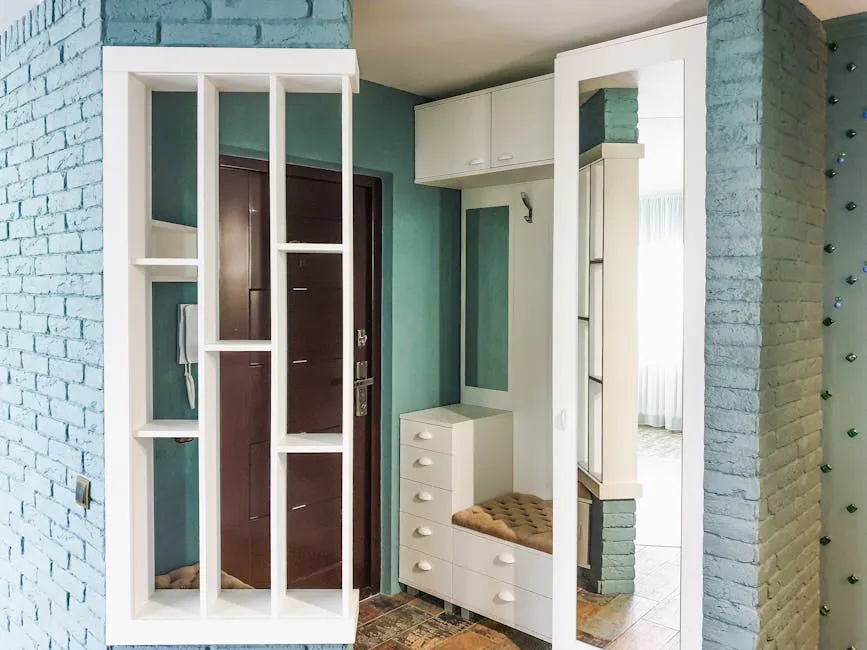
Another important aspect is choosing versatile storage solutions. For instance, a bench with hidden storage can serve as both a seat and a place to stash shoes or bags, effectively combining functionality and comfort. Additionally, consider incorporating decorative elements that align with your home’s aesthetic, such as colorful bins or stylish hooks, which can elevate your hallway's overall look.
What to Skip and Why
While the possibilities for hallway storage are vast, some solutions may not warrant the investment. For instance, oversized furniture can dominate a narrow space, leading to a cramped feel and making the hallway less inviting. Similarly, excessive decorative items can create visual clutter and detract from the functionality of the space.
In some cases, the allure of trendy storage solutions can lead to poor decisions. For example, while ladder shelves can look appealing, they may not be practical for storing heavier items or those used frequently. Instead, prioritize functionality over aesthetics to ensure that your hallway remains a usable and organized space.
Real-World Example: A Hallway Transformation
Consider the case of a family with a long, narrow hallway cluttered with backpacks, shoes, and seasonal decor. By installing a series of floating shelves at varying heights, they created a functional display for books and decorative items, while also adding a shoe rack disguised as a bench at the end of the hallway. The result was an organized corridor that not only reduced clutter but also added character to the home. This transformation illustrates how thoughtful design can enhance both aesthetics and functionality.
Frequently Asked Questions
Start by assessing your needs: think about what items you need to store and how often you need access to them. Prioritize solutions that keep frequently used items easily accessible while maintaining a visually pleasing layout.
Absolutely! Many hallway storage solutions can be DIY projects, from building floating shelves to creating custom storage benches. Just ensure you have the right tools and skills for the job, or consider seeking help if needed.
Wall hooks, over-the-door organizers, and repurposed furniture can serve as inexpensive storage solutions. Look for second-hand items or shop sales to find affordable options that fit your style.
Built-in storage can be a great investment if you have the budget, as it maximizes space and can be tailored to fit your needs. However, consider the permanence and whether your storage needs might change in the future.
Avoid overcrowding your hallway with too much furniture or decor, as this can create a cramped atmosphere. Stick to functional, well-placed items that enhance the space without overwhelming it.