
Many people find themselves working from home, crammed into corners or dining tables, struggling to carve out a dedicated workspace. But what if I told you that the tiny closet in your home could be transformed into a functional and inviting office? It’s a challenge, sure, but with a practical approach and a few clever hacks, your small closet can become a cozy haven for productivity.

Assessing Your Space: The First Step to Transformation
Before diving into the transformation, take a moment to assess your closet space. Measure the dimensions—height, width, and depth—and consider the layout. A standard reach-in closet often has a depth of around 24 inches and a width that can vary significantly. This information will guide your choices in furniture and storage solutions. In practice, many homeowners overlook the importance of proper measurement, leading to ill-fitting furniture and wasted space.
Next, consider the current function of the closet. Is it merely a storage space, or does it hold items you frequently use? If it’s cluttered with seldom-used items, it may be time to declutter. The Marie Kondo method suggests evaluating each item’s value based on whether it sparks joy. However, in a workspace context, ask yourself: Does this item contribute to my productivity? If not, it might be time to let it go.
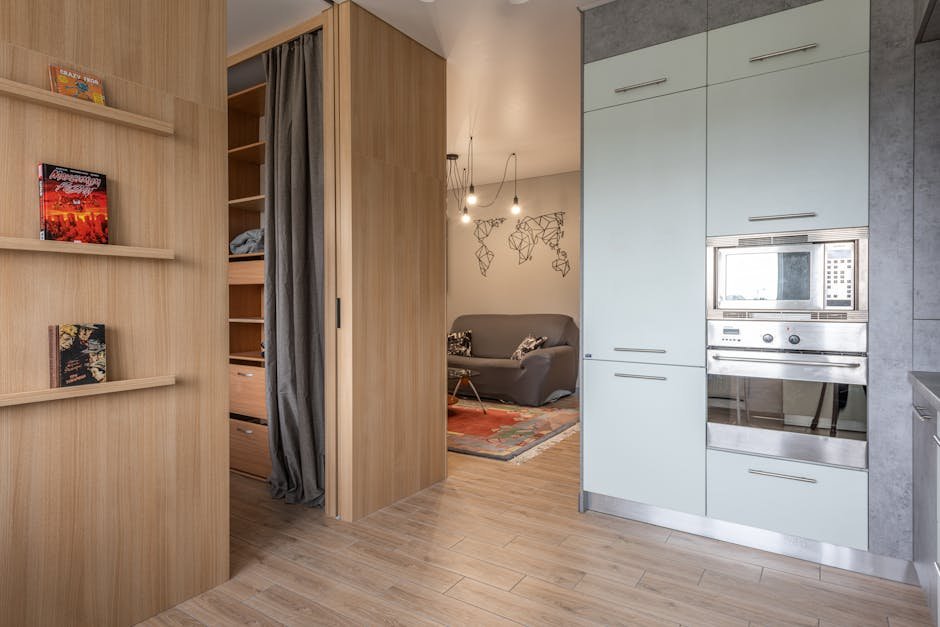
Designing the Layout: Making the Most of Limited Space
With a clear vision of your closet’s dimensions and contents, sketch out a basic layout. Consider using vertical space to your advantage. Tall shelves can hold books and supplies, while a wall-mounted desk can free up floor space. The Pomodoro Technique suggests that working in focused bursts can enhance productivity. Therefore, designing your workspace to minimize distractions—like a cluttered floor—can help you work more effectively.
One effective layout is the L-shaped desk, which can fit snugly into a corner and maximize workspace without overwhelming the area. Alternatively, a fold-down desk can provide a functional surface when needed and tuck away when not in use. Remember to leave enough room for you to move comfortably within the closet. A common pitfall is underestimating the space needed for a chair, which can lead to frustration during work hours.
Choosing the Right Furniture: Functionality Meets Aesthetics
The furniture you choose will profoundly impact both the functionality and overall aesthetics of your new office. Opt for multi-functional pieces whenever possible. For instance, a storage ottoman can serve as both a seat and a place to store supplies. When selecting a desk, consider a model with built-in storage options, such as drawers or shelves, to keep your workspace organized and free from clutter.
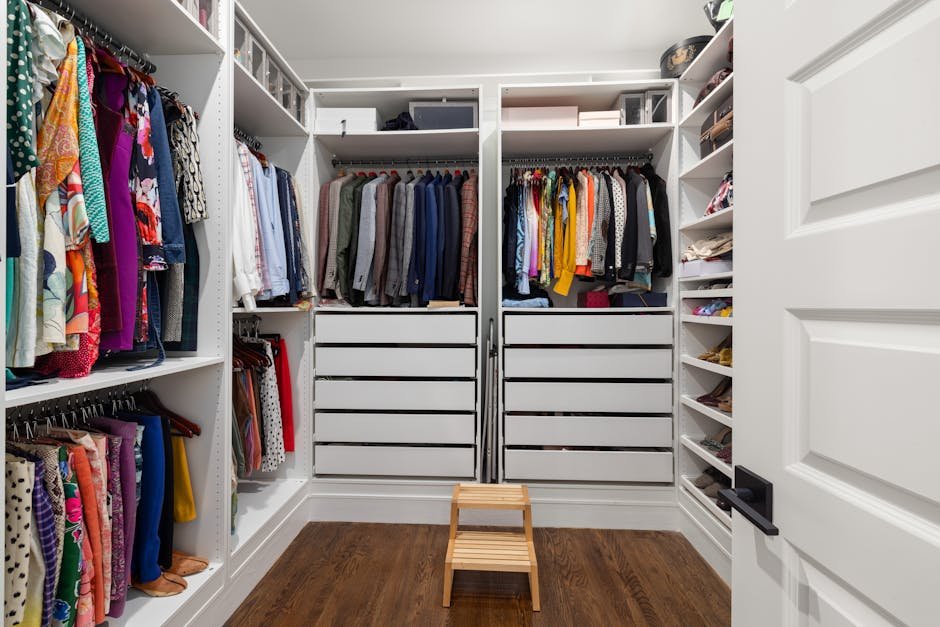
When it comes to style, choose colors and materials that inspire you. Light colors can make a small space feel larger, while warmer tones can create a cozy atmosphere. A soft rug can add comfort, while wall art can personalize the space. However, be cautious of overcrowding the closet with too much decor; it can detract from the functional focus of your workspace.
Lighting Your Workspace: Bright Ideas for Productivity
Good lighting is crucial in any workspace, but especially in smaller areas where natural light may be limited. If your closet has a door, consider replacing it with a translucent sliding door to allow more light to flow in. Additionally, add a desk lamp with adjustable brightness to ensure you have adequate light for reading and working.
LED lights can be a great option, as they are energy-efficient and can provide bright, focused light. Consider under-shelf lighting if you have shelves. This not only illuminates your workspace but also adds a modern touch. According to the Illuminating Engineering Society, appropriate lighting can significantly enhance mood and productivity, making it an essential aspect of your new office design.
Maximizing Functionality: Storage Solutions and Organization
Once you have your furniture in place, the next step is to organize your workspace effectively. Utilize vertical storage options like wall-mounted shelves or pegboards to keep supplies within reach and off the desk. Clear storage bins can help categorize items while keeping the closet looking neat. Labeling bins can save time and frustration when searching for specific items.
Consider a small filing cabinet for important documents that need to be easily accessible yet out of sight. The Getting Things Done (GTD) method emphasizes the importance of organizing tasks and materials to enhance productivity. Adopting this principle in your workspace organization can help reduce stress and improve focus.
Frequently Asked Questions
To ensure ergonomic comfort, choose a desk that is at the appropriate height for your chair. Your elbows should form a 90-degree angle when typing, and your feet should rest flat on the floor. Invest in a comfortable chair that provides good back support. A footrest can also help if your chair is too high.
If electrical outlets are limited, consider using power strips with surge protection. Alternatively, invest in a battery-operated desk lamp and opt for wireless devices like keyboards and mice to minimize cord clutter.
Definitely! Use wall-mounted shelves for decor rather than bulky furniture. Incorporate personal items that inspire you, like a vision board or framed photos, but keep it minimal to avoid overcrowding.
Establish a routine and designate specific work hours. Use tools like timers to break your work into manageable intervals, as suggested by the Pomodoro Technique. Keep your workspace organized and clutter-free to maintain focus.
Common mistakes include overcrowding the space with furniture, neglecting lighting needs, and failing to consider ergonomics. Always keep functionality in mind and prioritize a clean, organized environment.