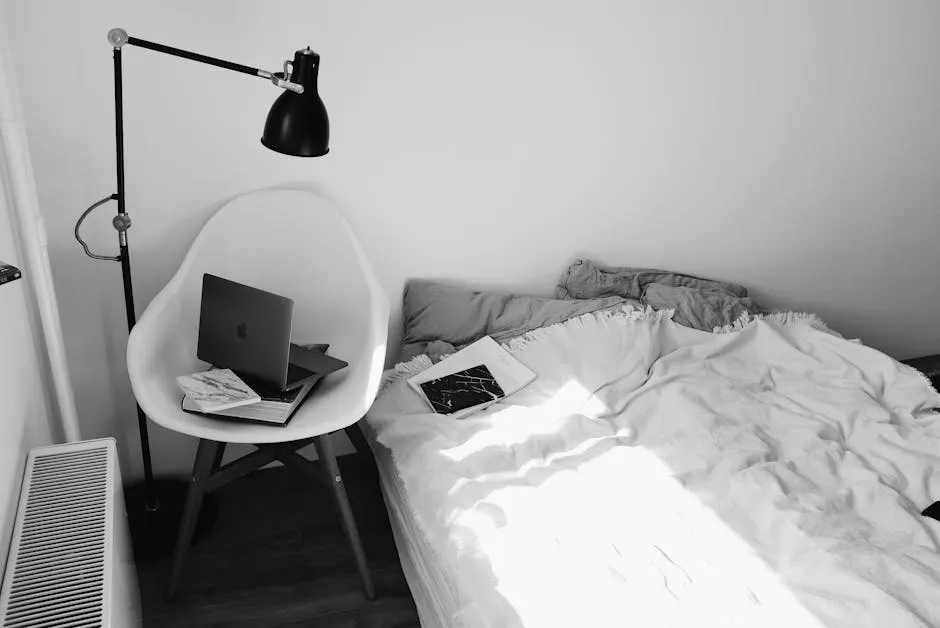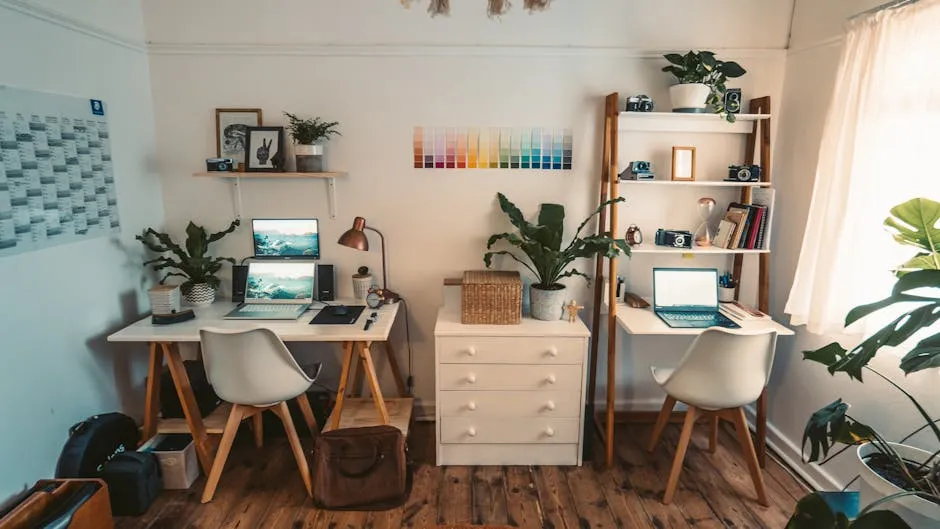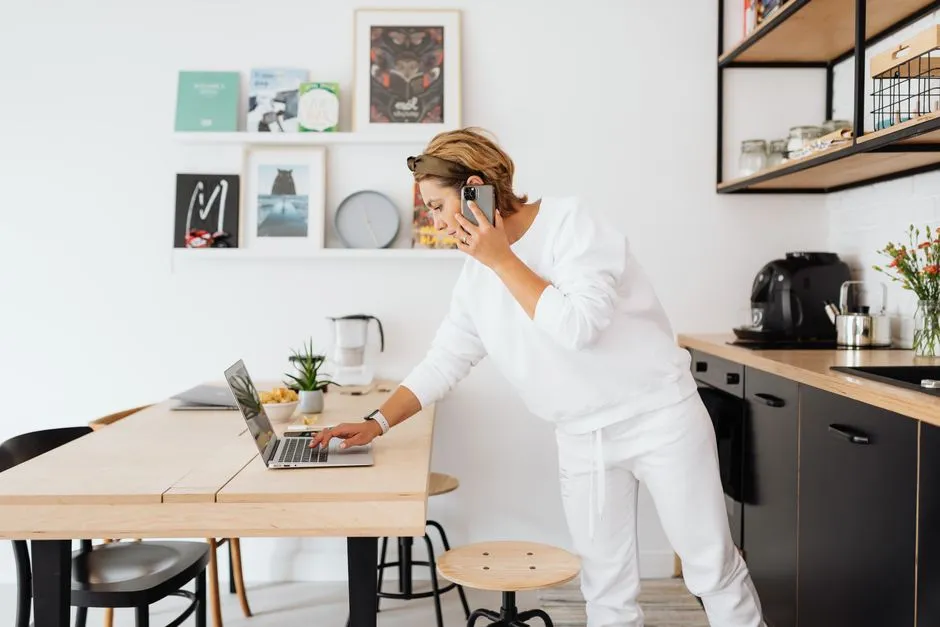

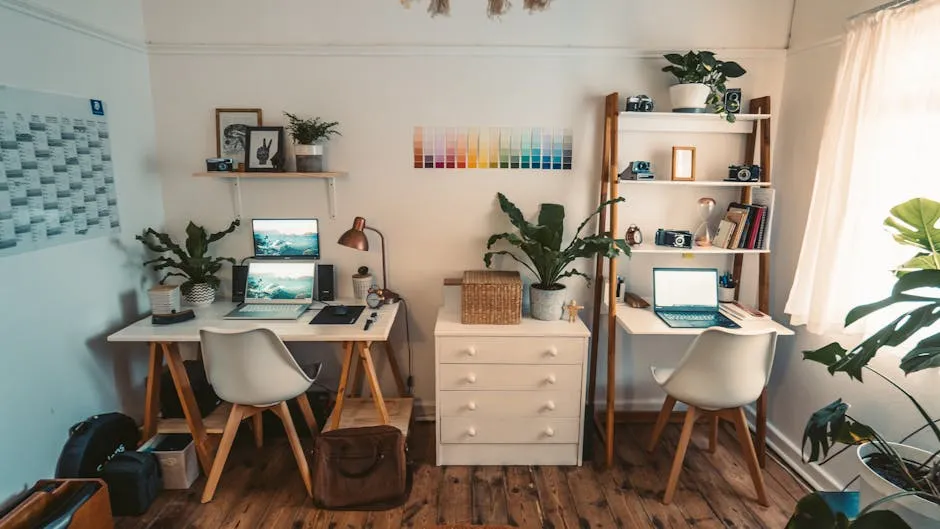
Sharing a bedroom often means negotiating personal space and functionality, especially when both occupants require workspaces. It can be a challenge to create areas that are both conducive to productivity and comfortable for rest. The tension arises not only from the clash of needs but also from the limited physical space available. Here’s how to effectively craft dual functional workspaces that cater to both work and relaxation.

Understanding the Space: Assessing Dimensions and Needs
Before diving into design choices, take a moment to assess the dimensions of the bedroom. Measure the available space and identify the areas that can accommodate workstations without disrupting the flow of the room. Consider each occupant’s work habits and needs—do they prefer quiet corners, or do they need to collaborate often? Understanding these requirements will guide your setup.
Choosing the Right Furniture: Functional Yet Stylish
Furniture selection plays a critical role in creating dual functional workspaces. Opt for desks that can serve multiple purposes, such as foldable or extendable options that can be stored away when not in use. A desk with built-in shelving can minimize the need for additional storage units, effectively saving space. For example, a wall-mounted desk can be a great option, as it takes up minimal floor space while providing a sturdy work surface. Moreover, choose ergonomic chairs that offer comfort during long work hours but also have a design that complements the bedroom aesthetic.
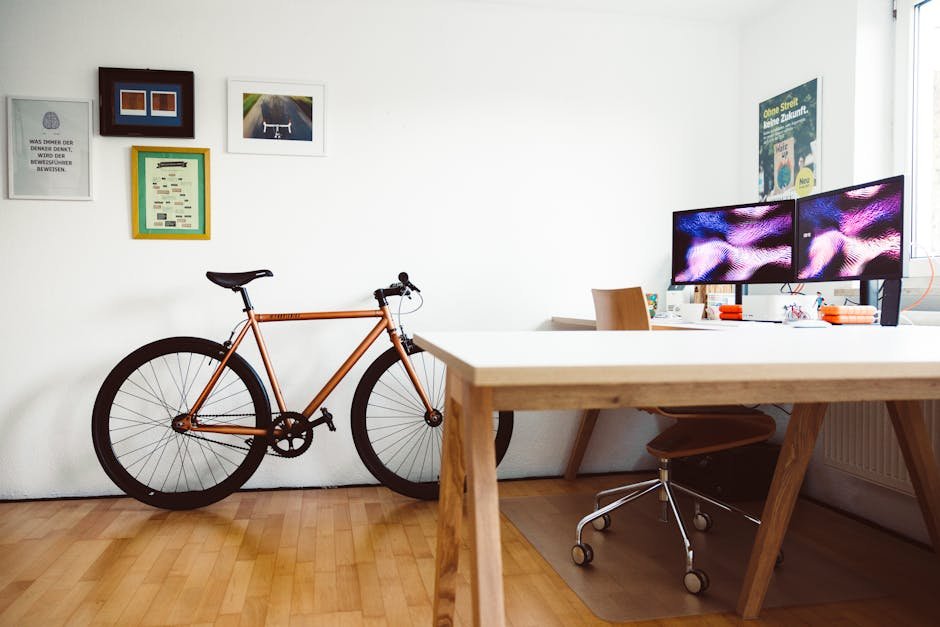
Creating Boundaries: Visual and Physical Separation
Establishing boundaries, both visual and physical, is crucial in a shared workspace. Utilize room dividers, bookshelves, or even curtains to delineate work areas from relaxation zones. This separation helps to create a mental distinction between work and leisure, enhancing productivity. For instance, a tall bookshelf can act as a partition and also serve as additional storage for work materials and personal items. Additionally, consider the color scheme; using calming colors for the sleeping area and more stimulating hues for workspaces can further enhance the dual functionality.
Incorporating Technology: The Right Tools for Efficiency
Technology is a double-edged sword, especially in a shared space. On one hand, it can enhance productivity; on the other, it can lead to clutter and distraction. Implementing cable management solutions is essential to keep the workspace tidy. Use cable clips, boxes, or under-desk trays to organize cords and chargers. Also, consider investing in noise-canceling headphones or sound-absorbing panels to minimize distractions. When both occupants are working, a solid internet connection is crucial. A dual-band router can help maintain speed and connectivity for multiple devices.
Maximizing Storage: Smart Solutions for Limited Space
Storage is often a challenge in shared bedrooms. Utilize vertical space by installing shelves above desks, and consider multi-functional furniture such as ottomans or benches with hidden storage. Use drawer organizers to keep work materials tidy and within reach. A pegboard can also be an effective tool for storing office supplies while adding a creative touch to the workspace. For example, paint a pegboard in a color that matches the bedroom decor to create a cohesive look while maintaining functionality.

Personalization: Infusing Individuality into Shared Spaces
While functionality is key, personal touches help make a shared workspace enjoyable. Encourage each occupant to personalize their workstation with photos, plants, or artwork that reflects their style. This not only improves the aesthetics but also fosters a sense of ownership and comfort. However, it's important to strike a balance; too much decoration can lead to clutter, which may distract from work. A curated selection of personal items can enhance the workspace without overwhelming it.
Frequently Asked Questions
If sharing a desk is unavoidable, set a schedule to ensure both individuals have dedicated time for work. Consider using desk dividers or different colored desk mats to visually separate the work zones.
Use light colors for walls and furniture, and incorporate mirrors to create the illusion of space. Additionally, keep the workspace uncluttered to enhance the feeling of openness. Neat bedroom with a wooden bunk bed and minimalist decor, featuring natural lighting.
Wall-mounted desks and corner desks are excellent choices for small bedrooms. They maximize floor space while providing ample workspace.
Utilize noise-canceling headphones or soundproofing solutions like rugs and curtains to absorb sound. Establish quiet hours when both individuals can focus without interruptions.
Look for second-hand furniture or DIY solutions like repurposing existing items. Simple additions like a folding table or a repainted bookshelf can transform a space without breaking the bank.