
Living in a small apartment often means sacrificing space for functionality, especially when it comes to creating a productive workspace. The tension between needing a dedicated area for work and the limited square footage can quickly become overwhelming. How do you create a compact desk area that doesn’t compromise on productivity? With various options available, it’s crucial to understand the pros and cons of each setup to find the right one for your unique situation.
Understanding Your Space: Evaluating Options
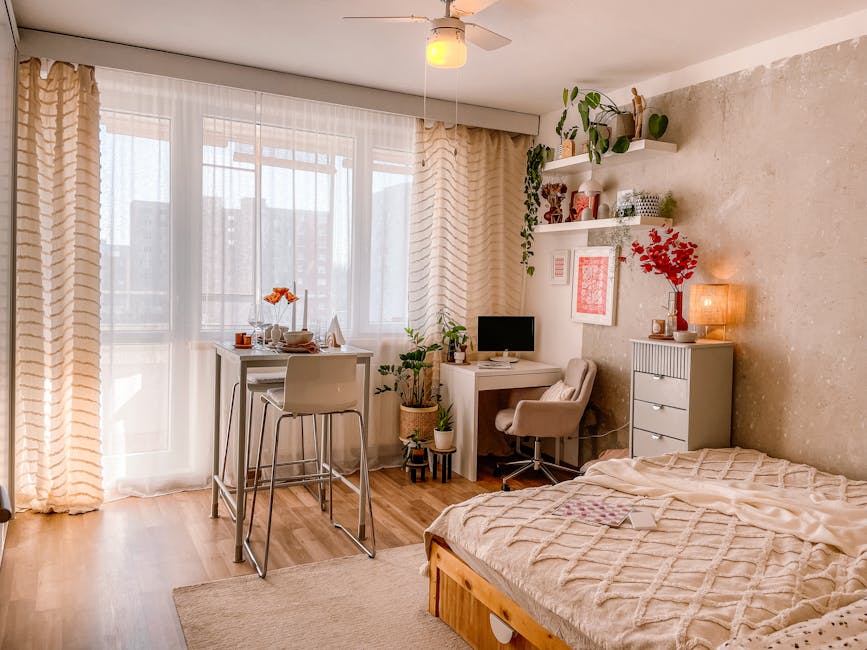
Before diving into specific desk setups, it’s essential to evaluate your available space. Consider the layout of your apartment, the amount of natural light, and the primary activities you’ll be doing at your desk. This evaluation process can guide your decision-making and help you avoid common pitfalls associated with small space design.
Wall-Mounted Desks
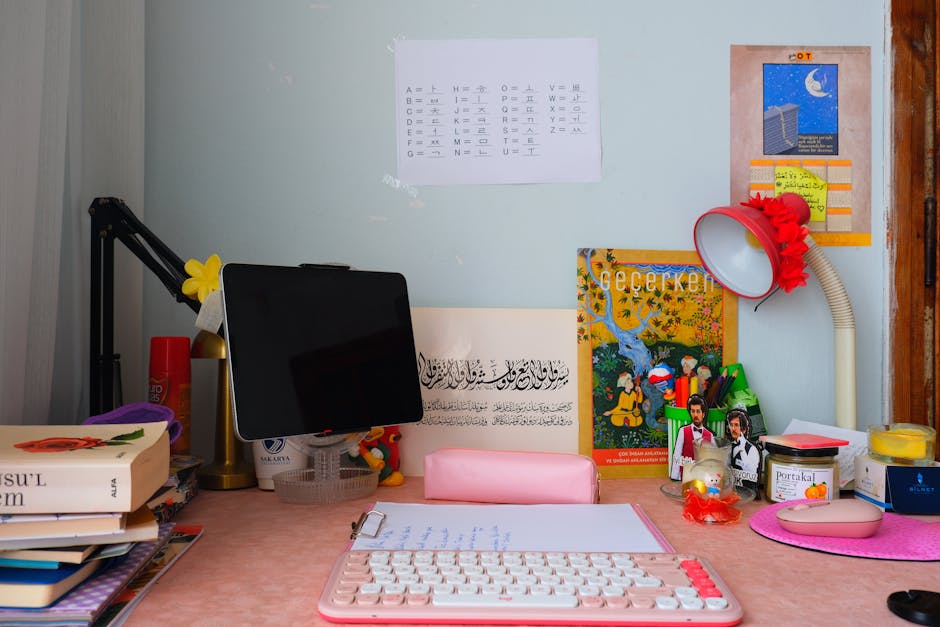
Wall-mounted desks are a popular choice for small apartments. They can be folded away when not in use, freeing up floor space. In practice, these desks are ideal for minimalistic setups and can be customized to fit your decor. However, they may not offer sufficient storage or the sturdiness required for heavy-duty tasks.
Pros and Cons
- Pros: Space-saving, customizable, and often stylish.
- Cons: Limited storage and potential stability issues.
Choosing the Right Desk Type
Once you understand your space, the next step is selecting the type of desk that aligns with your work style and apartment layout. Here are several types to consider:
Standing Desks
Standing desks have surged in popularity due to their health benefits, such as improved posture and increased energy levels. They can be particularly advantageous in small spaces, as many models are adjustable and can fit snugly against a wall. However, standing for prolonged periods may lead to fatigue, so it’s essential to alternate between standing and sitting.
Traditional Desks
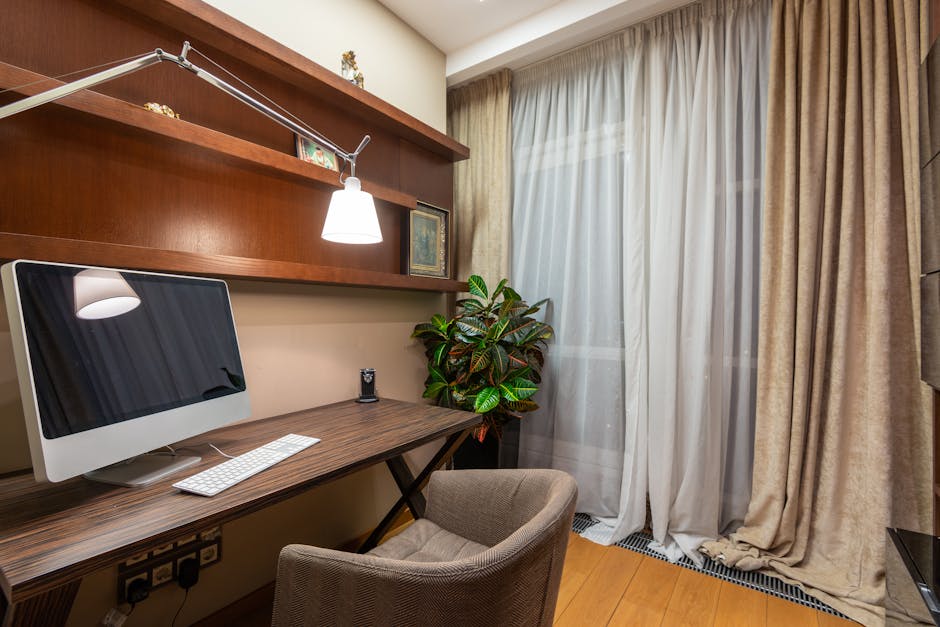
Traditional desks offer a familiar workspace but can take up significant floor space. If you choose this route, look for models with built-in storage options like drawers or shelves. However, they may not be ideal for those who often rearrange their furniture or who need the flexibility to hide their workspace away.
Pros and Cons
- Standing Desks: Health benefits and space-efficient.
- Traditional Desks: Familiarity and ample storage.
- Cons: Standing desks may lead to fatigue; traditional desks can dominate small spaces.
Incorporating Multi-Functional Furniture
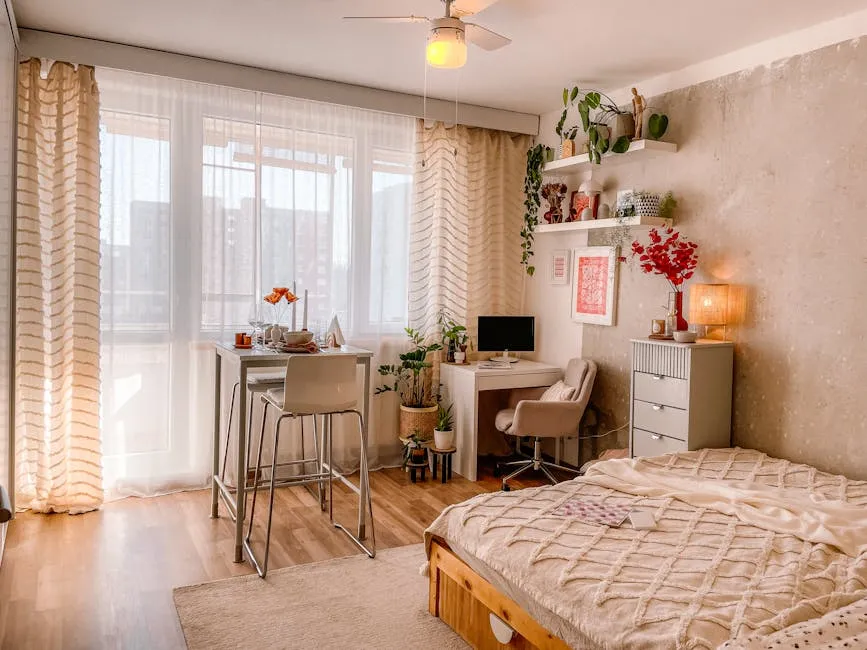
Embracing multi-functional furniture can transform your small apartment into a versatile living space. Consider desks that double as dining tables or shelving units that can serve as a workspace. This approach maximizes functionality without overwhelming your space.
Examples of Multi-Functional Solutions
- Drop-leaf tables: These can expand to accommodate more activities and fold down when space is needed.
- Storage ottomans: Use them as footrests or seating while also providing hidden storage for supplies.
Pros and Cons
- Pros: Versatility and space efficiency.
- Cons: Some designs may compromise on comfort or stability.
Optimizing Your Desk Layout
Even with the right desk, the arrangement of your workspace can significantly affect your productivity. Consider these layout tips to optimize your compact desk area:
Utilizing Vertical Space
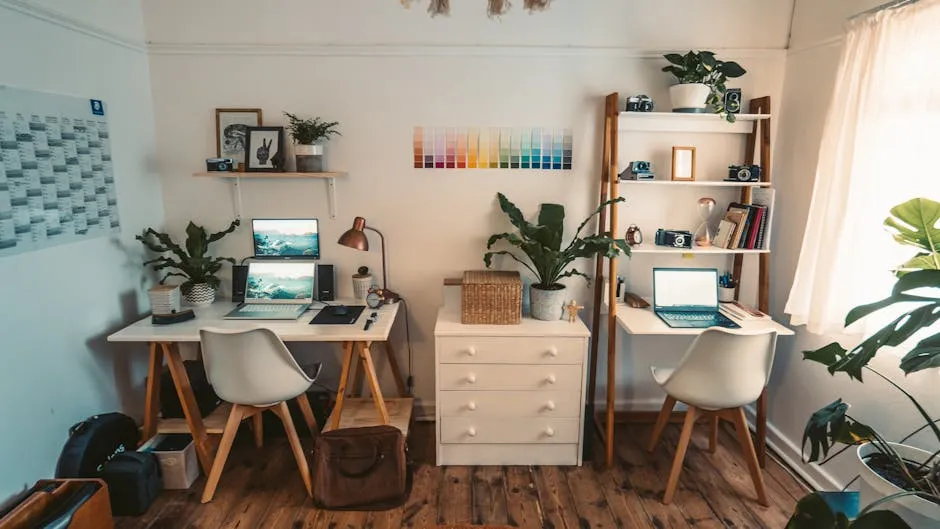
Keep your desk clear by using vertical space effectively. Shelves above your desk can store books, files, and decor without encroaching on your limited surface area. In practice, this can create a more organized and aesthetically pleasing workspace.
Lighting Considerations
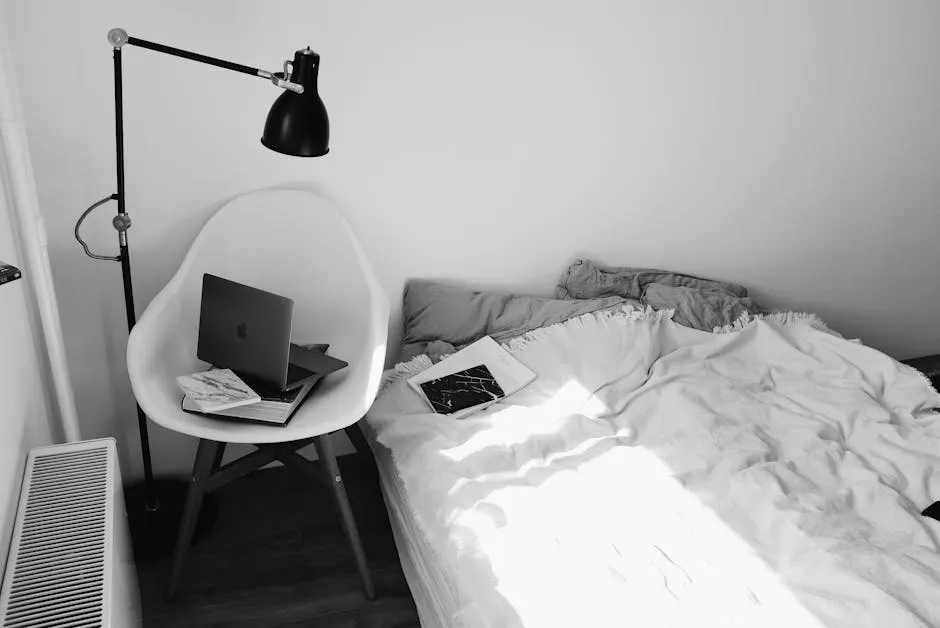
Good lighting is crucial for any workspace, especially in small apartments where natural light may be limited. Incorporating adjustable task lighting can help reduce eye strain and improve focus. Choose lamps that take up minimal space or can clip onto surfaces.
Pros and Cons
- Pros: Aesthetics and improved organization.
- Cons: Overloading vertical space can create clutter.
Knowing When to Compromise
Creating a compact desk area often involves trade-offs. For instance, you may have to choose between a larger desk with ample storage and a smaller, more stylish option. Recognizing your priorities is essential. If you frequently work with bulky equipment, a larger desk may be necessary, while those who primarily use laptops may opt for more compact solutions.
Limitations and Edge Cases
Each workspace solution has limitations. For example, wall-mounted desks may not suit everyone, particularly those who require a stable surface for extensive writing or crafting. Additionally, if you often host guests or need a space for collaborative work, consider how your desk setup will accommodate these scenarios.
Pros and Cons
- Pros: Tailored solutions based on individual needs.
- Cons: Some setups may not be effective for every task.
Ultimately, the key to successfully crafting a compact desk area is understanding your needs and experimenting with different setups. By evaluating your space, choosing the right desk type, incorporating multi-functional furniture, optimizing your layout, and knowing when to compromise, you can create an efficient workspace that enhances your productivity without overwhelming your small apartment.