

Working from home can be a challenge, especially when your workspace is a tiny kitchen. The tension between cooking and productivity can lead to frustration. But it doesn't have to be that way. With some strategic planning, you can transform your kitchen into a functional office space that caters to both your culinary and professional needs.

Understanding Your Space: Assessing the Kitchen Layout
Before diving into the transformation, take a moment to assess your kitchen layout. Each kitchen is unique, and understanding your available space is crucial. Measure the dimensions of your kitchen, noting areas that are underutilized. For instance, the wall above your counter or the corner next to your refrigerator can serve as potential office spots.
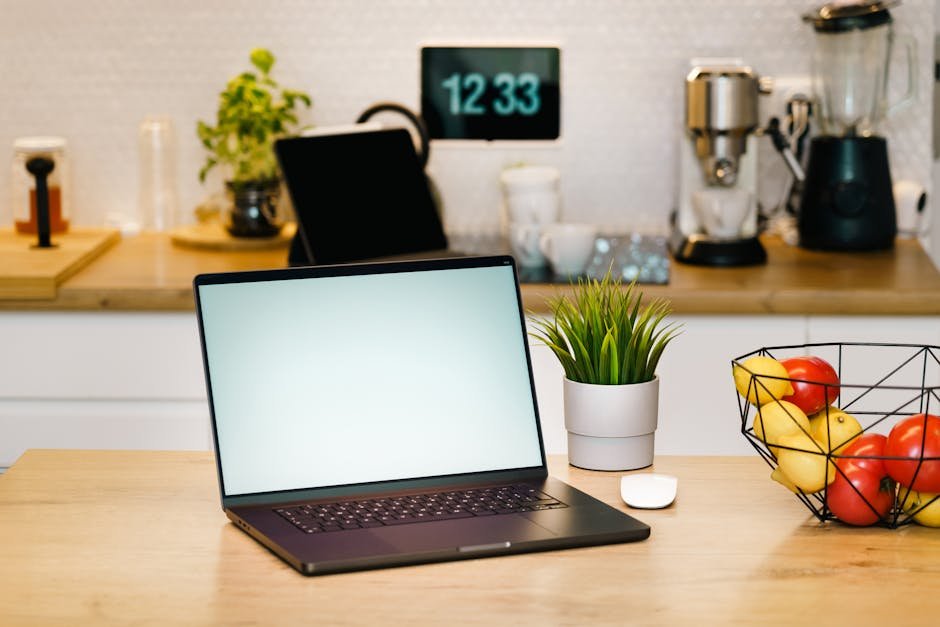
Look for vertical space, as it often holds the key to maximizing productivity. Wall-mounted shelves can accommodate office supplies, freeing up counter space for cooking. In practice, many have found success by installing a foldable desk that can be tucked away when not in use, providing both a workspace and kitchen area.
Budget Breakdown: What You’ll Need
Creating a productive home office doesn't have to break the bank. A budget breakdown is essential for understanding where to invest your money. Here's a simple guide:
| Item | Cost Range | Priority |
|---|---|---|
| Foldable Desk | $50 - $150 | High |
| Ergonomic Chair | $75 - $200 | High |
| Wall Shelves | $25 - $100 | Medium |
| Desk Organizer | $10 - $50 | Medium |
| Decorative Touches | $15 - $75 | Low |
Investing in a foldable desk and an ergonomic chair should be your top priority. These items enhance comfort and efficiency, especially when your work hours extend. Wall shelves and desk organizers are valuable for keeping clutter at bay, but they can be adjusted based on your budget. Decorative touches can enhance your workspace's aesthetics but are not essential.
Prioritizing Functionality Over Aesthetics
When space is limited, functionality must take precedence over aesthetics. A common mistake is to focus too heavily on how the space looks rather than how it operates. For example, a stylish chair may seem appealing, but if it lacks comfort, you may find yourself frequently distracted or unable to concentrate.

Consider the ergonomic principles laid out by the Occupational Safety and Health Administration (OSHA). An ergonomic setup minimizes discomfort and enhances productivity. This means your computer screen should be at eye level, your feet flat on the ground, and your elbows at a 90-degree angle. Prioritizing these factors can significantly affect your productivity and well-being.
What to Skip: Avoiding Common Pitfalls
While it’s tempting to fill your tiny kitchen office with every gadget and accessory, resist the urge to overcrowd the space. Clutter can hinder creativity and focus. Begin with the essentials and gradually add items that genuinely enhance your workflow.
Another common pitfall is neglecting proper lighting. A well-lit space is crucial for maintaining energy levels and reducing eye strain. Avoid relying solely on overhead lights; instead, consider adding a small desk lamp with adjustable brightness. This not only helps you focus but also creates a warm ambiance conducive to work.

Maximizing Small Kitchen Features
Your tiny kitchen likely has unique features that can be cleverly integrated into your office setup. For instance, if you have a window, position your desk nearby to take advantage of natural light. This can improve your mood and productivity.
Additionally, consider using your kitchen island as a multi-functional workspace. If it's wide enough, it can serve as both a dining area and a desk. In practice, many people have optimized their kitchen islands by using one side for meal prep and the other for work, effectively doubling the functionality of the space.
Frequently Asked Questions
Yes, with the right setup and organization, a tiny kitchen can be transformed into a productive workspace. Prioritize ergonomics, declutter, and utilize vertical space effectively. A woman using a laptop in a kitchen setting, surrounded by snacks and warm decor.
Use wall shelves for storage, opt for a desk organizer, and keep only essential items on your desk. Regularly declutter to maintain a clean workspace.
Invest in an ergonomic chair, ensure proper lighting, and personalize your space with items that inspire you, like plants or art, without overcrowding it.
Consider creating a schedule for work hours to reduce distractions. Communication is key; let family members know when you need focused time. A woman in a beanie works on a laptop in a modern kitchen with indoor plants.
Yes, kitchens can be noisy and distracting. Additionally, cooking smells may not be ideal for concentration. If possible, establish boundaries to minimize interruptions.