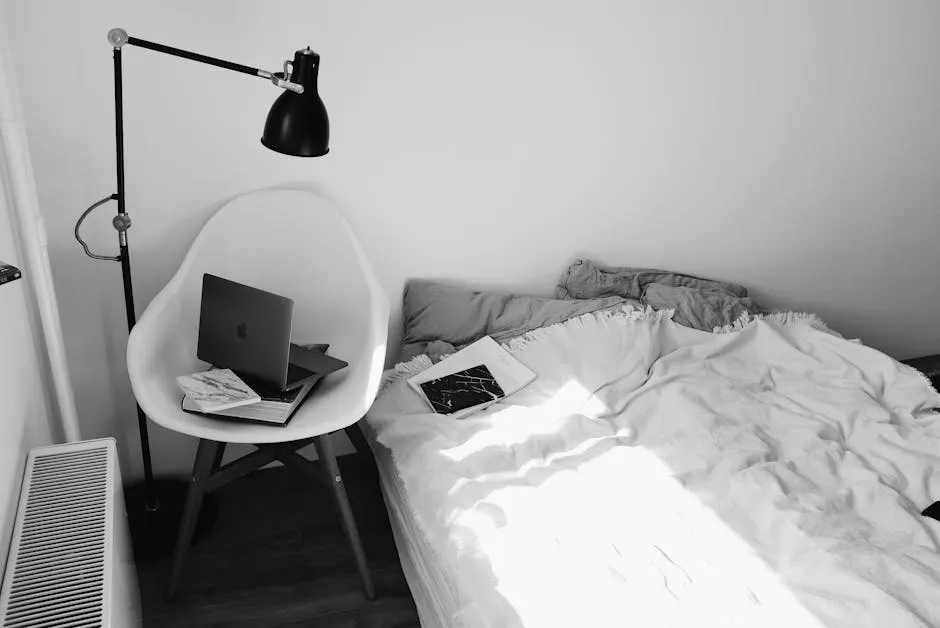


Understanding Desk Clutter: A Common Dilemma
Desk clutter is an issue that plagues many individuals, especially those who work from small spaces. The accumulation of papers, gadgets, and miscellaneous items can quickly transform a once-organized workspace into a chaotic environment. The consequences of this clutter extend beyond mere aesthetics; they can hinder productivity, increase stress levels, and even lead to missed deadlines. Recognizing the common pitfalls and implementing effective solutions can create a more pleasant and efficient workspace.

Common Mistakes That Lead to Clutter
Before diving into solutions, it’s vital to identify the mistakes that contribute to desk clutter. Understanding these can help you avoid them in the future:
- Overloading the Desk: Many people tend to use their desks as a dumping ground for everything from office supplies to personal items. This not only creates visual clutter but also makes it difficult to focus on tasks.
- Failure to Organize: Without a systematic approach to organization, items can quickly become misplaced. A lack of designated spots for frequently used items can lead to chaos.
- Neglecting Digital Clutter: In our digital age, clutter isn’t just physical. Failing to organize digital files can lead to frustration and inefficiency, compounding the problems created by physical clutter.
Consequences of a Cluttered Workspace
The impact of clutter extends beyond the immediate visual chaos. Here are some of the consequences you may face:
- Reduced Productivity: A cluttered desk often leads to distractions, making it hard to concentrate on the task at hand. When you spend time searching for items, your workflow is interrupted.
- Increased Stress: A messy workspace can contribute to feelings of anxiety. The constant reminder of disorganization can weigh heavily on your mind, affecting your overall well-being.
- Missed Opportunities: Important documents can easily be lost in a mess, leading to missed deadlines or opportunities. This can have serious repercussions in a professional environment.
Practical Solutions for Decluttering
Now that we’ve identified the common mistakes and their consequences, let’s explore some actionable solutions for decluttering your workspace:
1. Implement a Daily Clean-Up Routine
Establishing a daily clean-up routine can significantly reduce clutter. At the end of each day, spend five to ten minutes organizing your desk. Put away stray items, file documents, and clear any unnecessary materials. This simple habit can prevent clutter from accumulating over time.
2. Utilize Vertical Space
In small workspaces, it’s essential to make the most of your vertical space. Consider adding shelves or wall-mounted organizers to store items that would otherwise take up valuable desk space. This not only frees up your desk but also creates a more open and inviting workspace.
3. Invest in Multifunctional Furniture
Choosing furniture that serves multiple purposes can be a game changer in a small workspace. Desks with built-in storage or foldable options can help keep your area tidy. For example, a desk with drawers allows you to store supplies without sacrificing surface space.
4. Create a Digital Declutter System
Don’t overlook digital clutter. Regularly review your digital files, deleting or archiving what you no longer need. Use folders and labels to organize remaining files, ensuring quick access when needed. This will streamline your workflow and reduce digital distractions.
Better Alternatives to Common Organizational Tools
While many organizational tools exist, not all of them are effective for small spaces. Here are some alternatives that can help you maintain a more organized and functional workspace:
1. Instead of a Traditional Filing Cabinet...
...consider a portable file box or a slim file organizer that can fit under your desk or on a shelf. This reduces floor space used while keeping important documents accessible.
2. Replace Bulky Desk Organizers
Opt for minimalistic desk trays or drawer organizers that can neatly hold pens, paper clips, and other small items without taking up too much space. A clutter-free surface allows you to focus on your work.
3. Use Clear Storage Containers
Clear containers allow you to see what’s inside while keeping your items organized. Label each container with its contents for easy identification, preventing the need to rummage through multiple boxes.
4. Consider Digital Tools for Task Management
Instead of sticky notes scattered across your desk, utilize digital task management tools. Applications like Trello or Asana can help you keep track of tasks without adding to physical clutter.
Creating a Long-Term Strategy for a Clutter-Free Workspace
To maintain a clutter-free workspace in the long run, consider developing a personalized organizational strategy. Here’s a simple framework to get you started:
- Assess Your Needs: Identify what items you use most frequently and ensure they are easily accessible.
- Designate Zones: Create specific zones for different activities (e.g., work, personal tasks, storage) to keep everything organized.
- Regular Reviews: Schedule regular check-ins (monthly or quarterly) to assess your workspace, making adjustments as needed.
By implementing these practical solutions and maintaining a proactive approach, you can transform your small workspace from a cluttered mess into a streamlined, productive environment. Embracing organization not only enhances your workspace but also positively impacts your work-life balance.