
Understanding the Importance of a Functional Desk Setup
Creating a functional desk setup in a tiny apartment is essential for maximizing productivity and comfort. A well-organized workspace can significantly enhance your focus and efficiency, even in limited space. Whether you are working from home or pursuing personal projects, the right setup can transform your small area into a hub of creativity and concentration.
Choosing the Right Location
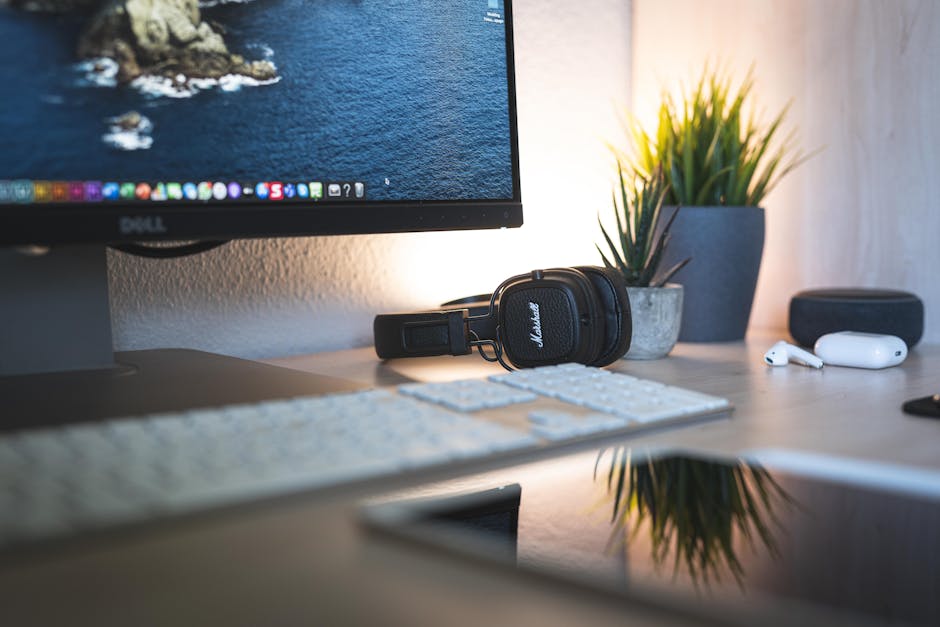
The first step in crafting your desk setup is selecting the optimal location within your apartment. Consider factors such as natural light, noise levels, and proximity to distractions. A corner of your living room or a nook in your bedroom can serve as a perfect workspace if you strategically position your desk.
Evaluating Natural Light
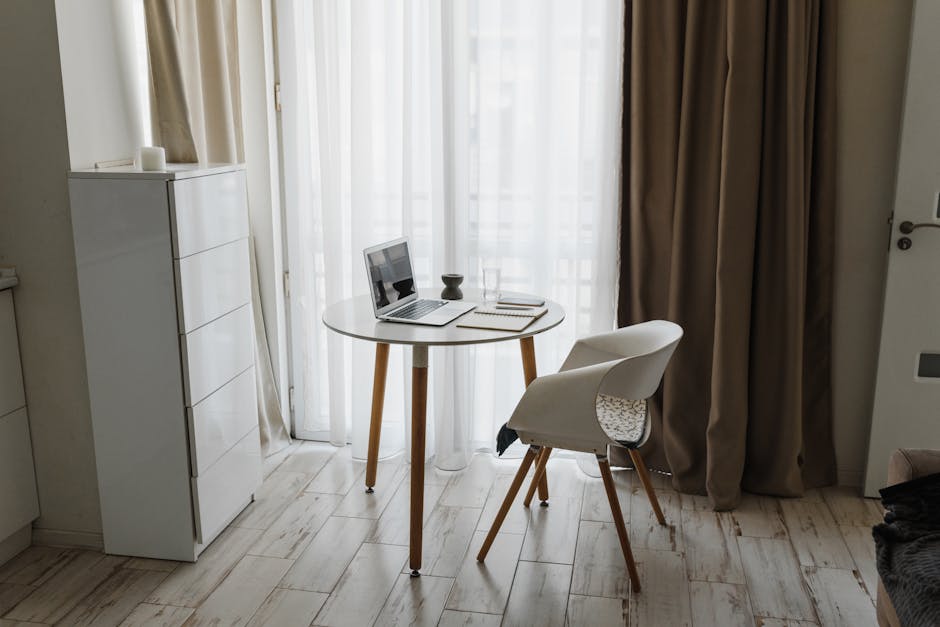
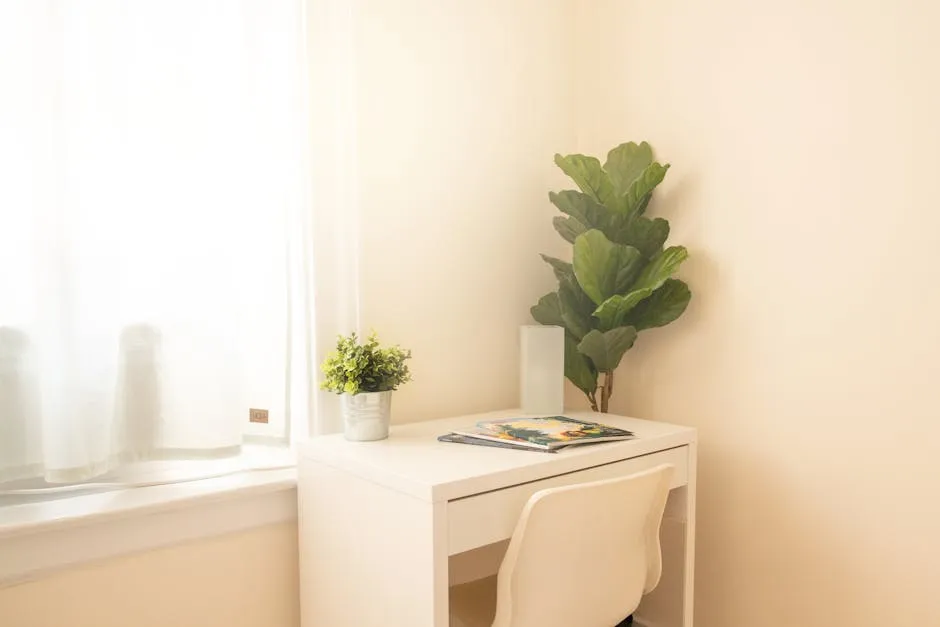
Natural light can significantly affect your mood and productivity. Try to place your desk near a window where you can benefit from daylight without glare on your screen. If natural light is limited, consider investing in quality lighting options to mimic daylight.
Avoiding Distractions
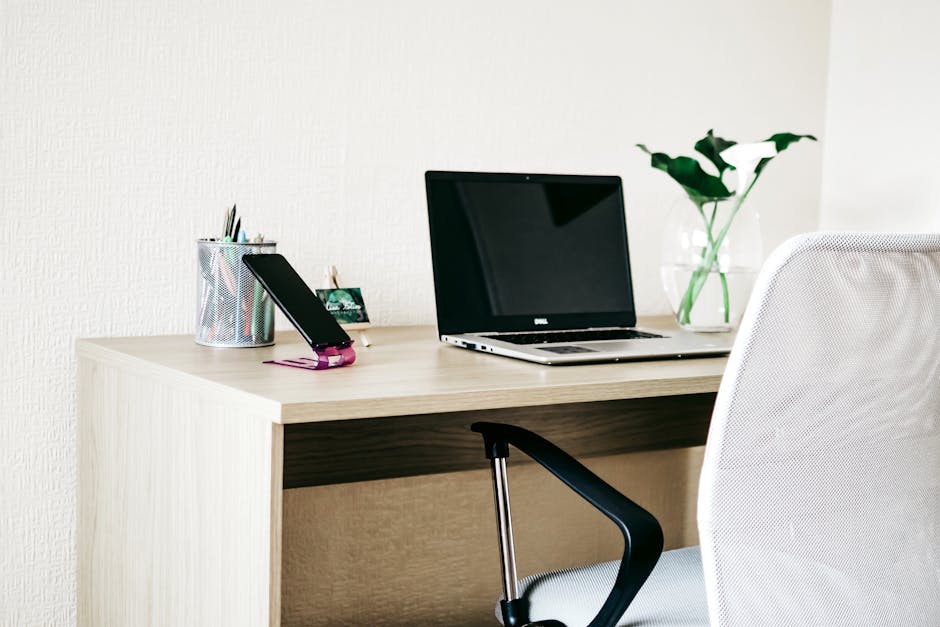
When choosing a location, ensure it’s away from high-traffic areas of your apartment. This will help you maintain focus and reduce interruptions. If possible, create a visual barrier using plants or a bookshelf to delineate your workspace from leisure areas.
Selecting the Right Desk
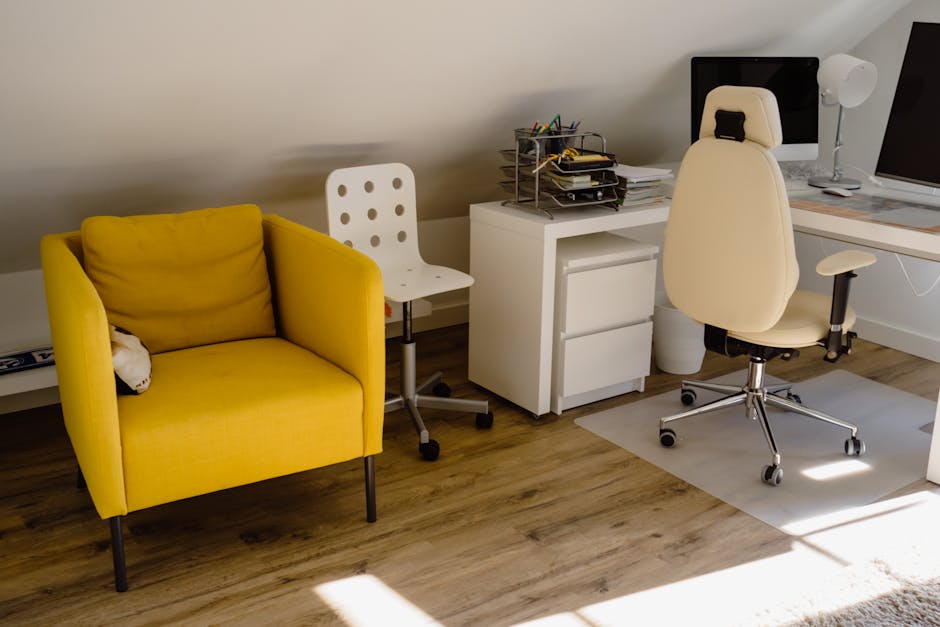
The desk itself is a pivotal element of your workspace. In a tiny apartment, opting for a compact yet functional desk is crucial. Consider the following options:
- Wall-mounted Desks: These save floor space and can be folded away when not in use.
- Corner Desks: Utilize corner spaces effectively and often come with built-in storage.
- Standing Desks: These can be adjusted for sitting or standing, promoting better posture.
- Compact Desks: Designed for small spaces, these desks often include integrated storage solutions.
Material and Style Considerations
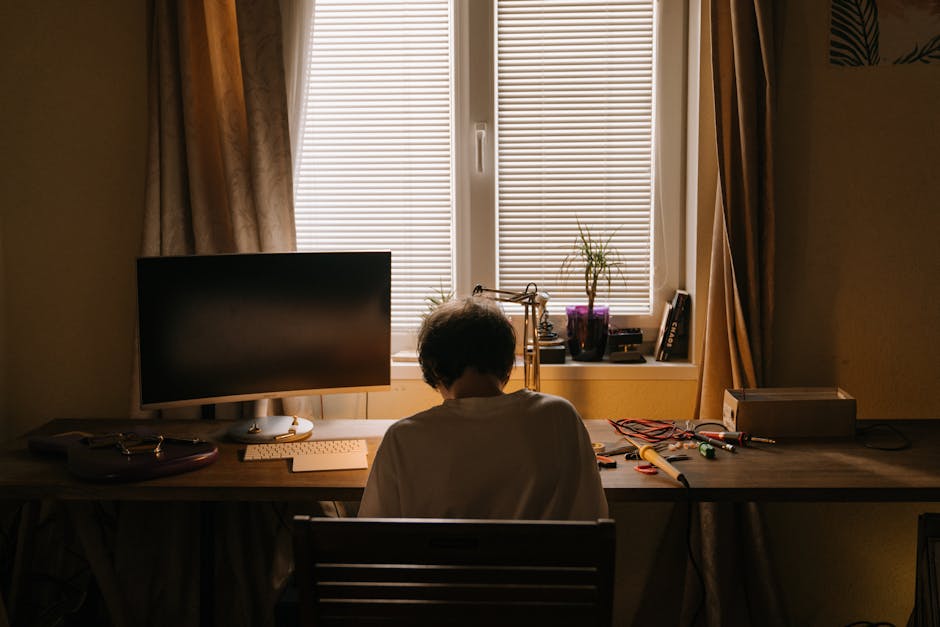
Choose a desk that complements your apartment's decor. Materials like wood, metal, or glass can add character while maintaining a modern look. A minimalist design can help your workspace feel less cluttered, making it more inviting.
Ergonomics: Ensuring Comfort and Health
An ergonomic setup is crucial for long hours of work. Pay attention to the following aspects:
- Chair Selection: Invest in a chair that supports your back and promotes good posture.
- Screen Height: Your computer screen should be at eye level to prevent neck strain.
- Keyboard and Mouse Position: Keep your keyboard and mouse at a height that allows your elbows to remain at 90 degrees.
Adjustable Options
Consider adjustable furniture that allows you to switch between sitting and standing positions. This flexibility can help reduce fatigue and discomfort during long work sessions.
Maximizing Storage Solutions
In a tiny apartment, storage is often a challenge. Efficient storage solutions can help keep your workspace organized:
- Vertical Storage: Use shelves or wall-mounted organizers to free up desk space.
- Under-desk Storage: Utilize drawers or rolling carts that fit under your desk.
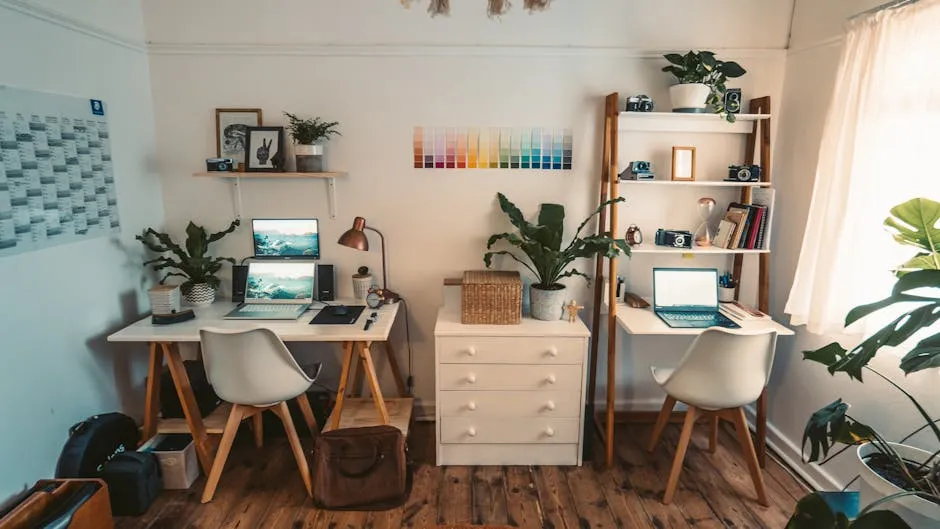
- Multi-functional Furniture: Consider furniture that serves multiple purposes, such as a desk with built-in shelves.
Organizational Tools
Implementing organizational tools such as file organizers, cable management solutions, and desk accessories can help maintain a clutter-free environment. Regularly declutter your workspace to keep it efficient and inviting.
Incorporating Personal Touches
Your desk setup should reflect your personality and inspire creativity. Here are some ideas to personalize your space:
- Artwork: Hang your favorite art pieces or photos to make the space feel more inviting.
- Plants: Incorporating greenery can improve air quality and add a refreshing touch.
- Color Scheme: Use colors that inspire you, whether through desk accessories or wall decorations.
Balancing Aesthetics and Functionality
While personalizing your workspace is essential, ensure that your decor does not impede functionality. Aim for a balance that keeps your desk looking good while remaining practical for your work needs.
Creating a Distraction-Free Environment
Establishing boundaries in your workspace is critical for maintaining focus. Here are strategies to minimize distractions:
- Set Clear Work Hours: Communicate your working hours to others in your apartment.
- Digital Distractions: Use apps to limit distractions from your phone and computer.
- Noise Control: Consider using noise-cancelling headphones or playing background music to drown out distractions.
Using a Timer for Focus
Implementing the Pomodoro Technique, where you work in focused bursts followed by short breaks, can enhance productivity and focus. This method helps you maintain concentration while allowing for necessary downtime.
Frequently Asked Questions
The ideal desk size for a tiny apartment typically ranges between 30 to 48 inches in width. It should provide enough surface area for your work materials without overwhelming the space.
To create an ergonomic desk setup, ensure your monitor is at eye level, your chair supports your back, and your arms are at a 90-degree angle while typing. Regularly adjust your setup to maintain comfort.
Space-saving desk options include wall-mounted desks, corner desks, and foldable desks. These designs maximize available space while providing functionality.
Utilize vertical storage solutions, keep essential items within arm's reach, and regularly declutter. Incorporating multi-functional furniture can also help maintain organization.
Yes, personal items such as artwork, plants, and photographs can enhance your workspace by making it more inviting and inspiring, which can improve your overall productivity.