
Understanding the Impact of a Well-Designed Workspace
Creating an effective workspace is crucial for productivity, especially in small areas. A functional desk setup can significantly enhance your focus, organization, and overall efficiency. By optimizing your environment, you can create a space that not only meets your practical needs but also inspires creativity and motivation.
1. The Corner Desk Setup
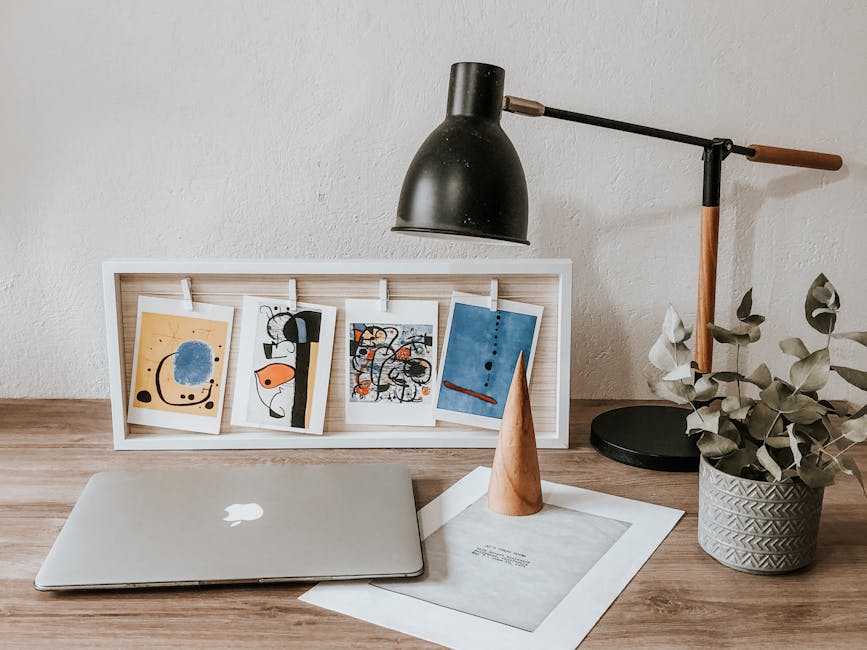
Utilizing corners can be a game-changer when dealing with limited space. A corner desk setup allows you to maximize the use of wall space while creating a cozy nook for work. These desks often come in L-shapes, providing ample surface area without encroaching on your room.
Benefits of a Corner Desk
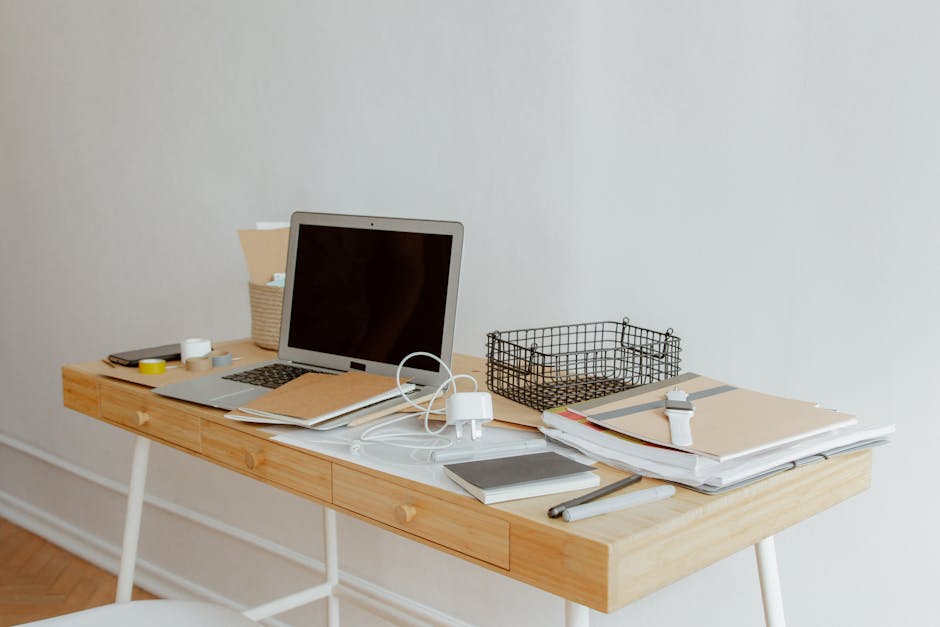
- Space Efficient: Fits snugly into corners, freeing up floor space.
- Optimal Organization: Easy access to both sides for storage and power outlets.
- Enhanced Focus: Creates a defined workspace that separates work from leisure.
2. Standing Desks: A Healthier Alternative
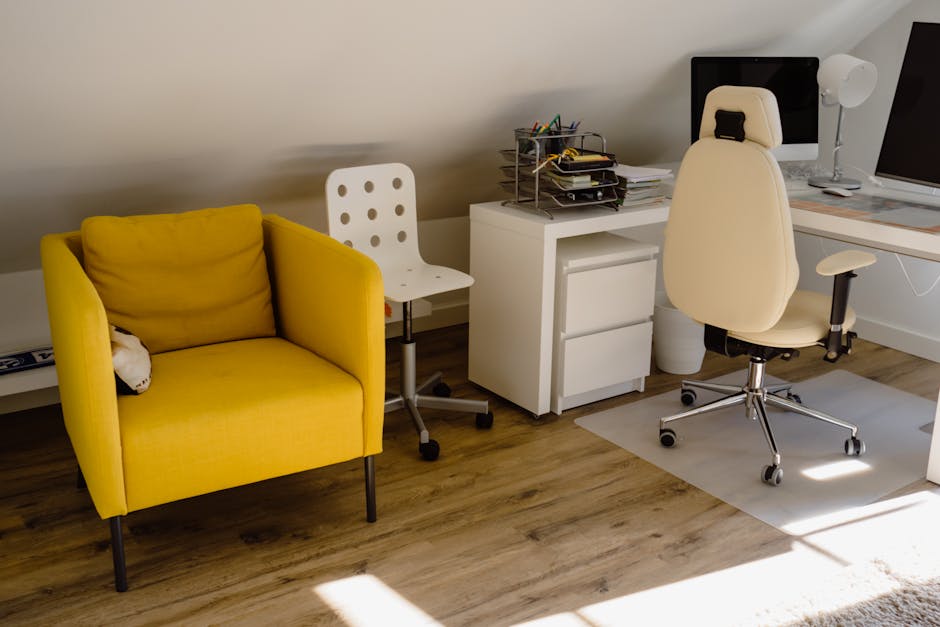
Standing desks are an excellent choice for small spaces as they take up less room than traditional desks and promote better posture. These desks can often be adjusted to accommodate both standing and sitting, allowing for flexibility throughout your workday.
Choosing the Right Standing Desk
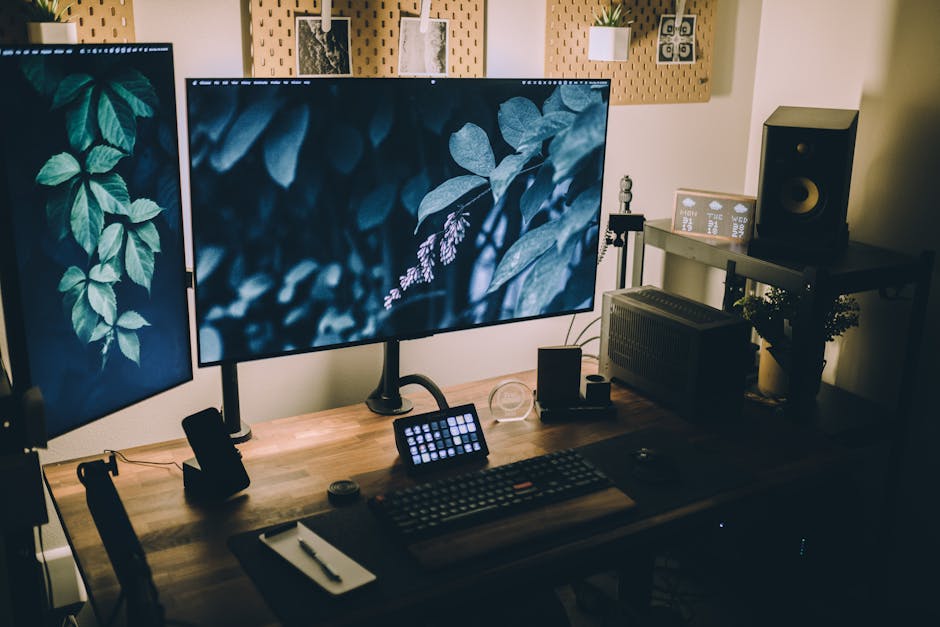
- Adjustability: Look for desks that offer a range of height settings.
- Stability: Ensure the desk remains stable at all heights.
- Size: Choose a size that fits your space without overwhelming it.
3. Wall-Mounted Desks
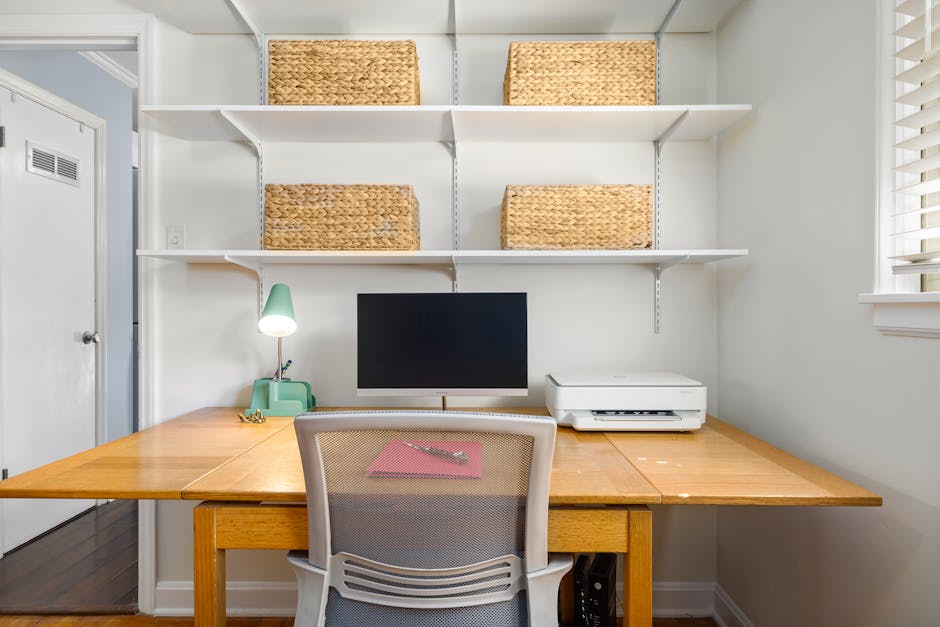
Wall-mounted desks are perfect for ultra-small spaces. These desks can be folded away when not in use, creating an uncluttered environment. Many designs feature shelves or additional storage, making them a versatile choice for any home office.
Features to Look For
- Foldability: Ensure the desk can be easily folded or retracted.
- Storage Options: Consider models with built-in shelving for books and supplies.
- Design: Choose a style that complements your existing decor.
4. Multi-Functional Furniture
In small spaces, every piece of furniture should serve multiple purposes. Look for desks that come with built-in storage or can double as a dining table or craft station. This approach maximizes utility without cluttering your space.
Examples of Multi-Functional Furniture
- Desks with Storage Compartments: Ideal for keeping your workspace organized.
- Convertible Desks: Can transform from a desk to another piece of furniture.
- Ottomans with Storage: Provide seating and storage for office supplies.
5. Minimalist Desk Designs
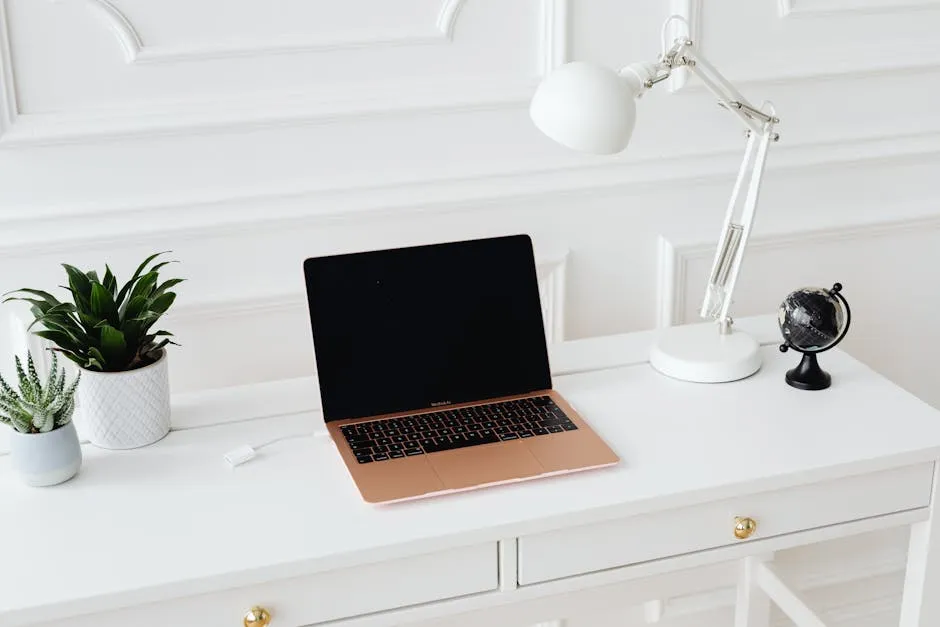
A minimalist approach can help keep your workspace tidy and distraction-free. Opt for desks with clean lines and simple designs to create an open and airy feel, making the most of your limited space.
Key Elements of Minimalist Design
- Simple Color Schemes: Stick to neutral tones for a calm environment.
- Essential Accessories: Use only what you need to prevent clutter.
- Streamlined Storage: Select storage solutions that blend into the decor.
6. Clever Use of Vertical Space
When floor space is limited, think vertically. Utilize wall shelves, pegboards, and hanging organizers to keep your desk surface clear while still having everything at your fingertips.
Vertical Space Solutions
- Floating Shelves: Great for books and decor without taking up floor space.
- Pegboards: Perfect for hanging tools, supplies, and decorative items.
- Over-the-Door Organizers: Use the back of doors for additional storage.
7. Creative Use of Lighting
Good lighting is essential for productivity. In small spaces, consider using layered lighting that combines ambient, task, and accent lighting to create a comfortable work environment.
Types of Lighting to Consider
- Desk Lamps: Choose adjustable lamps for focused lighting.
- Wall Sconces: Save desk space while providing ambient lighting.
- LED Strips: Use these for under-shelf lighting to brighten the workspace.
8. Incorporating Plants for a Fresh Touch
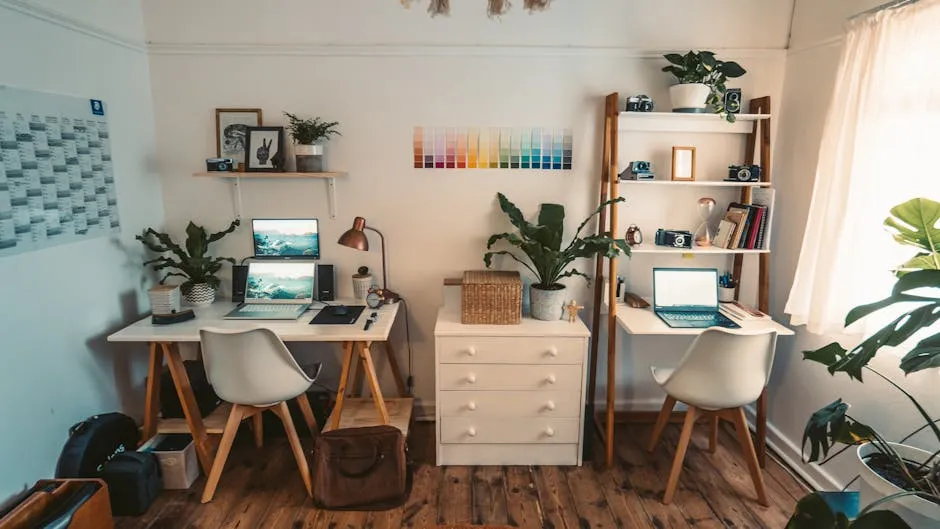
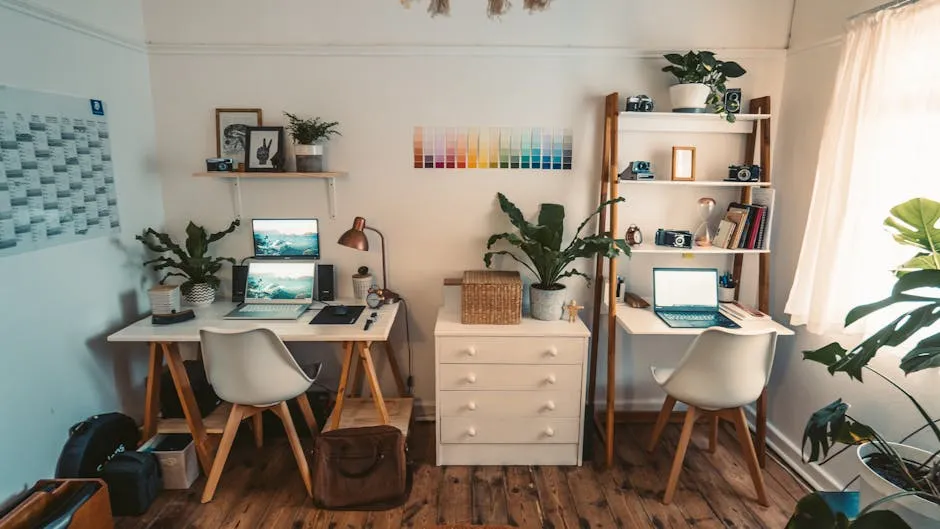
Adding greenery to your workspace can enhance mood and productivity. In small spaces, opt for small plants or wall-mounted planters to keep the area feeling fresh without taking up too much space.
Best Plants for Small Spaces
- Succulents: Require minimal care and thrive in small pots.
- Air Plants: No soil needed, making them easy to display.
- Spider Plants: Great for hanging planters and purify the air.
9. Personalizing Your Workspace
Infuse your personality into your desk setup. Personal touches can make your workspace feel more inviting and stimulate creativity. Choose decor that reflects your interests and style.
Ways to Personalize
- Artwork: Hang a favorite piece or print above your desk.
- Photos: Display personal photos that inspire you.
- Inspirational Quotes: Use wall space to motivate and encourage.
10. Keeping Your Workspace Organized
Organization is key in small spaces. Invest in organizers, such as drawer dividers, file holders, and cable management solutions to keep everything in its place and maintain a clutter-free desk.
Organizational Tools to Consider
- Drawer Organizers: Essential for keeping office supplies sorted.
- File Holders: Helps manage paperwork and important documents.
- Cable Management Solutions: Keeps cords tidy and out of the way.
Frequently Asked Questions
The ideal desk size for small spaces typically ranges from 30 to 48 inches in width, allowing for enough workspace without overwhelming the room.
Utilizing vertical storage solutions, such as shelves and wall organizers, can help maximize storage in a small desk setup while keeping essential items within reach.
Yes, standing desks can save space and promote better posture, making them a worthwhile investment for small areas.
Consider DIY solutions, such as upcycling furniture or using wall-mounted shelves to create a functional desk setup without breaking the bank.
Choose a desk that complements your existing furniture and color scheme. Look for styles that reflect your personal taste, whether modern, rustic, or minimalist.