
Understanding the Need for a Homework Space
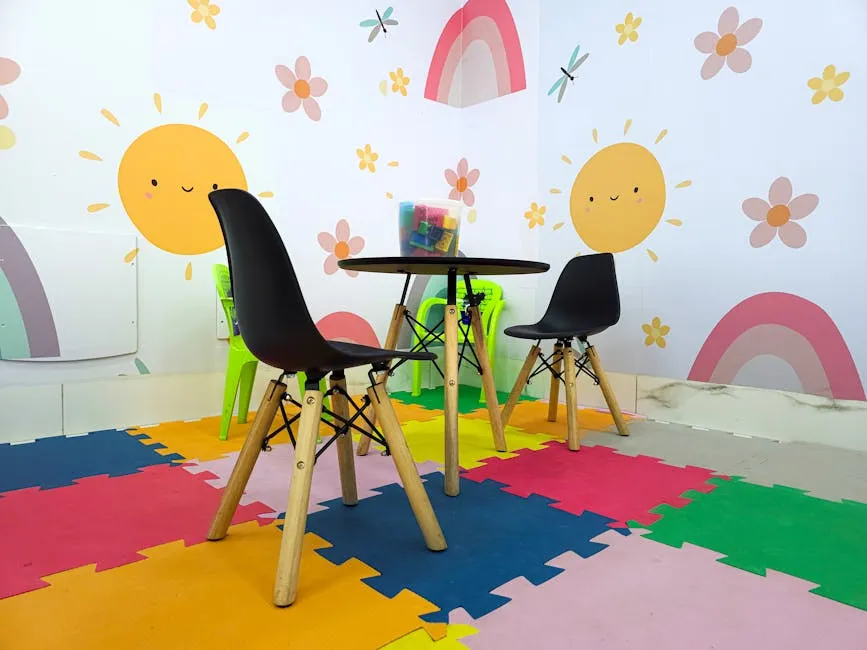
The transition from playful creativity to focused study can be jarring for children. A playroom, often filled with toys and distractions, isn’t the ideal environment for homework. Children require a dedicated space that fosters concentration and minimizes interruptions. Research shows that children perform better academically when they have a designated study area, as it helps signal to their brains that it’s time to focus.

Budget Breakdown: How Much to Invest
Transforming a playroom into a homework station can be achieved on varying budgets. Understanding the costs involved will help you prioritize your spending effectively.
- Furniture: A sturdy desk can range from $100 to $500. Opt for durable materials that can withstand the rigors of childhood.
- Storage Solutions: Bins and shelves for organizing supplies can cost between $30 and $200. Prioritize clear bins to make materials easily identifiable.
- Lighting: Adequate lighting is essential. A good desk lamp can cost anywhere from $20 to $100. Consider adjustable options to cater to different tasks.
- Decor: A personalized touch can be achieved on a budget. Wall decals or bulletin boards can range from $15 to $50, helping to create an inspiring atmosphere.
What to Prioritize for Functionality
When designing a homework station, some elements are more crucial than others. Begin by focusing on the essentials that directly impact your child's ability to concentrate.

Ergonomics
Ensure that the desk height is appropriate for your child's age to promote good posture. An ergonomic chair that supports their back is equally important. Children can spend hours at their desks, so comfort should not be overlooked.
Minimize Distractions
To create an effective study environment, remove distracting items from the workspace. Limit toys, games, and other distractions in the immediate vicinity. This helps reinforce that the space is dedicated to studying.
Organizational Tools
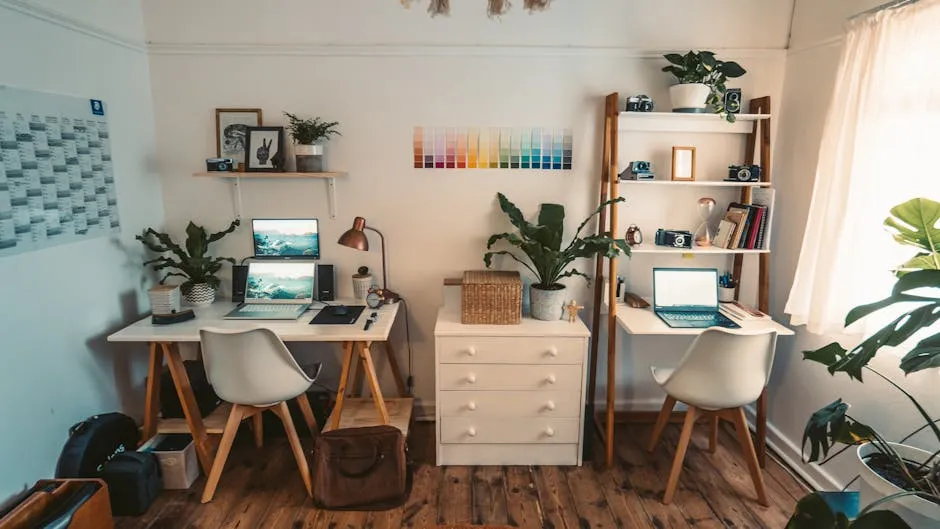
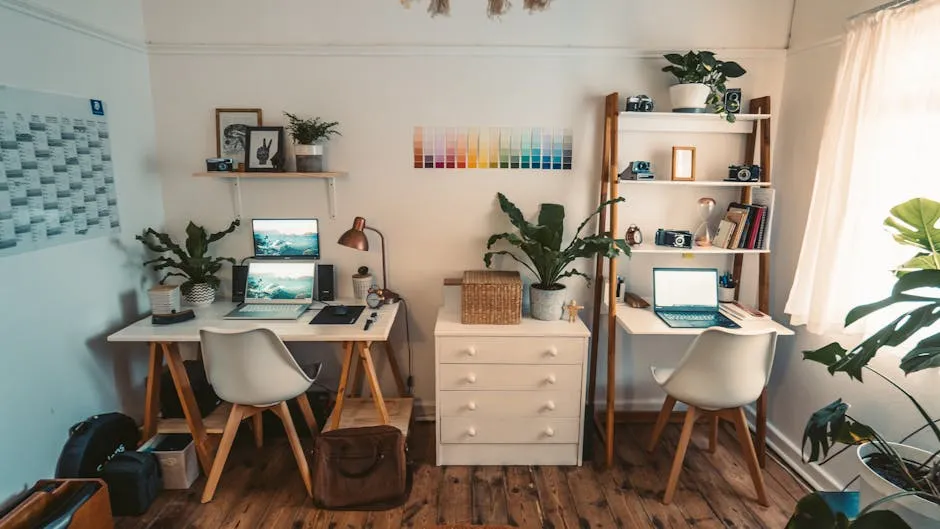
Incorporate organizational tools like drawers or caddies for easy access to supplies. A cluttered desk can lead to a cluttered mind, so organization is essential for productivity.
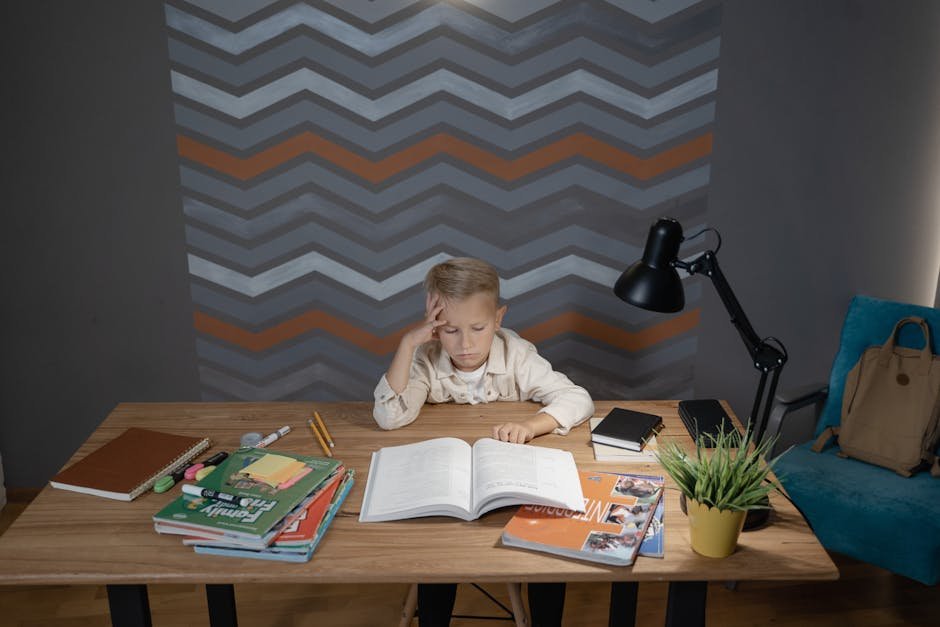
What to Skip: Unnecessary Additions
While it’s tempting to make the space overly stimulating, skip items that aren’t essential to creating a productive environment. For example, avoid excessive decorations that could become distracting. Additionally, be wary of investing in high-tech gadgets unless they serve a clear purpose in your child's studies.
Real-World Application: A Case Study
Take the example of Sarah, a mother who transformed her son’s playroom into a homework station. Initially, the room was filled with toys, and homework was often a struggle. By investing in a simple desk and ergonomic chair, and clearing out the clutter, Sarah created a focused area for study. The change was remarkable; her son went from resisting homework to completing assignments with enthusiasm. This highlights the importance of environment in academic performance.
Actionable Tips to Get Started
Ready to make the change? Here are some immediate steps you can take:
- Assess your budget and determine what is essential versus what can wait.
- Clear out non-essential items from the playroom and make space for studying.
- Choose furniture that is both functional and appealing to your child.
- Incorporate elements that reflect your child's interests, such as colors or themes, while keeping distractions to a minimum.
Frequently Asked Questions
Setting up a homework station is beneficial as soon as your child starts school. Early establishment of a dedicated study space can foster good habits.
Involve your child in the design process. Allow them to choose colors or themes, making the space their own. This can boost their motivation to use it.
Consider using noise-canceling headphones or soft background music to help them focus. Ensure the environment is quiet and free from interruptions. A young girl sitting at a desk at home, focused on her homework and writing with a pencil.
Basic supplies include pencils, paper, a calculator, and any specific materials based on their schoolwork. Keeping these organized will help minimize distractions.
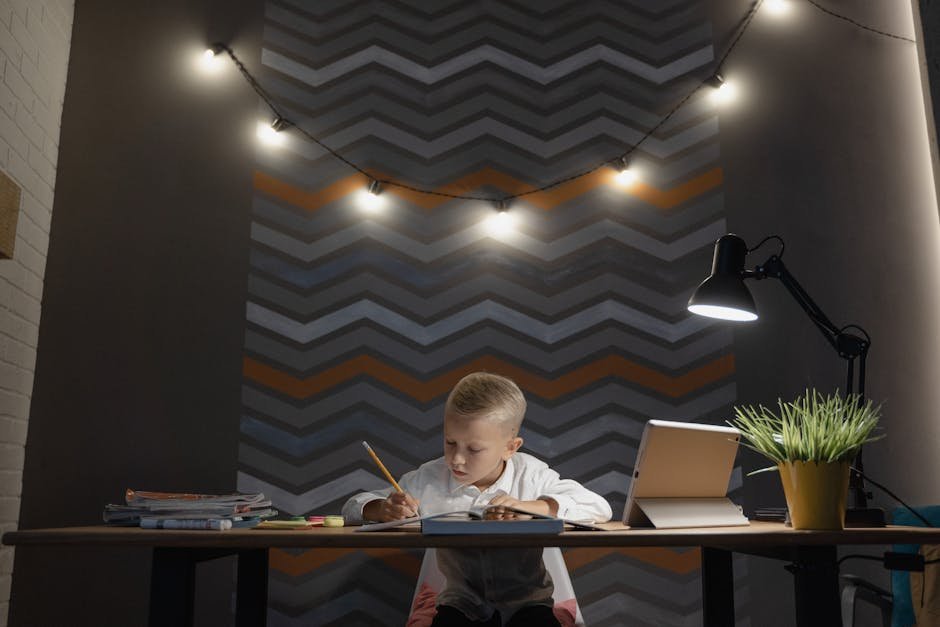
Absolutely! Repurposing existing furniture can save costs, provided it meets ergonomic standards and is in good condition. A young boy focuses on homework with books and a tablet at a desk, enhancing his education.