
In the quest for productivity, many find themselves squeezed into less-than-ideal office spaces. The struggle is real: limited square footage often leads to cluttered desks, distractions, and frustration. How can you transform a cramped environment into a haven for creativity and efficiency? The answer lies in clever desk solutions designed specifically for small spaces.

Understanding Space Limitations
The first step in revamping your small office is to understand the limitations of your space. It's not just about the physical dimensions; it's also about how you interact with that space. For instance, a standard desk might take up too much room, leaving little space for movement or additional furniture. An effective approach is to analyze the flow of your workspace and identify areas that can be optimized.
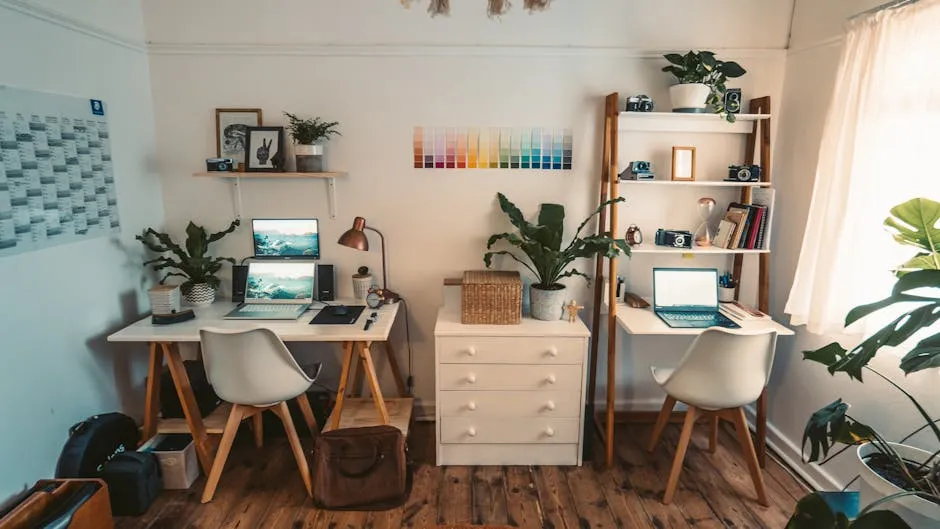
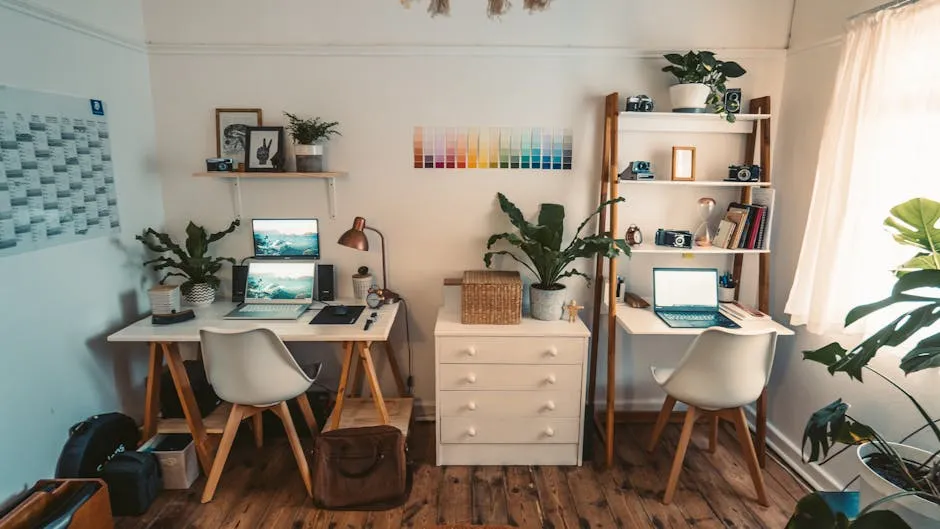
One practical observation is the use of vertical space. In small offices, the walls can be your best friends. Consider wall-mounted shelves or pegboards that can hold supplies, freeing up valuable desk space. This method aligns with the well-known principle of space efficiency, which emphasizes utilizing every inch of available area without compromising functionality.
Choosing the Right Desk
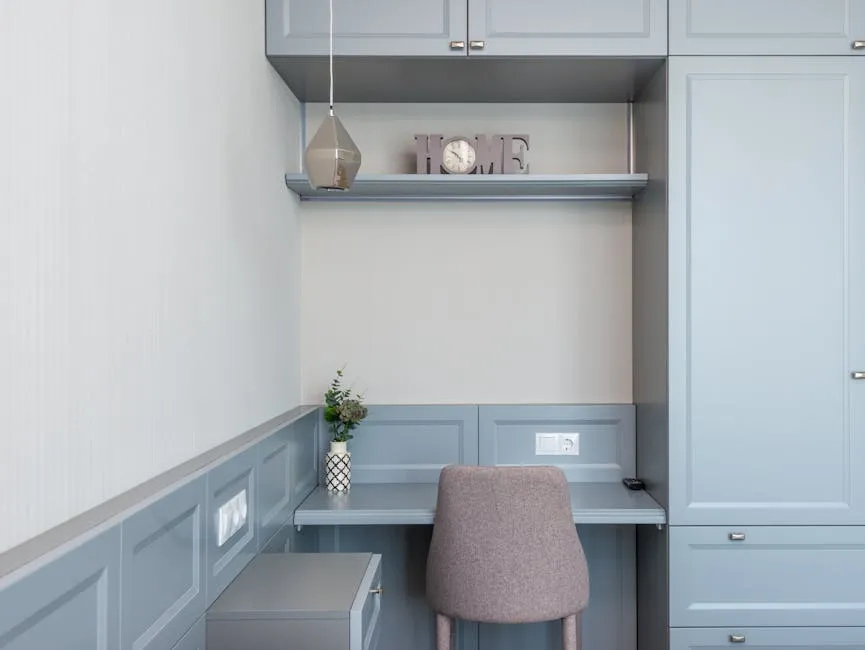
Desk selection is crucial. Not all desks are created equal, especially in compact environments. A desk that fits perfectly in a large room may feel suffocating in a smaller one. Look for desks that offer a sleek profile and multifunctionality. A corner desk, for example, can maximize unused corners while providing ample workspace.
Another option is a foldable desk. These desks can be stored away when not in use, providing flexibility that stationary desks cannot. This approach embodies the flexible workspace concept, allowing you to adapt your office setup according to the day's needs. However, remember that foldable desks may lack stability compared to traditional options, so it's essential to choose a high-quality design.
Ergonomics in Small Workspaces
Even in limited spaces, ergonomics should not be overlooked. An uncomfortable setup can lead to long-term health issues, reducing productivity. Invest in an adjustable chair that provides support and allows for proper posture. A chair with a smaller footprint can be particularly beneficial in tight quarters.
Furthermore, consider the height of your desk. The ergonomic desk height standard suggests that the top of the desk should be at elbow height when seated. This measurement helps prevent strain during long working hours. If your desk is fixed, adding a height-adjustable platform for your monitor can help achieve this balance.
Organizational Solutions for Clutter-Free Workspaces
Once you've established your desk setup, maintaining organization becomes paramount. Clutter can quickly sabotage even the most well-thought-out designs. Implementing organizational tools will provide structure and efficiency to your workspace.
Consider drawer organizers, desktop trays, and cable management solutions. These tools not only keep items neatly arranged but also create a professional appearance. In practice, employing a minimalist approach can be highly effective. Keep only the essentials on your desk and store away anything that isn't immediately necessary.
Incorporating Personal Touches
While functionality is critical, don’t underestimate the importance of personal touches. A small office doesn't have to feel sterile or devoid of personality. Incorporating elements that inspire you can enhance your overall work experience.
Decorative items, plants, or artwork can add character to your space. However, it’s essential to strike a balance. Too many decorations can lead to distractions. A single framed photo or a small succulent can bring life into your workspace without overwhelming it.
Frequently Asked Questions
Consider corner desks, wall-mounted desks, or foldable options that can be stored away. Look for models that offer built-in storage to maximize utility.
Invest in an adjustable chair and ensure your desk height aligns with ergonomic standards. Use monitor risers to achieve the correct screen height and consider a keyboard tray.
Drawer organizers, desktop trays, cable management clips, and wall-mounted storage solutions are excellent for keeping a small workspace tidy and efficient.
Yes, focus on minimal touches like a single decorative item or a plant. Choose items that inspire you but don’t overcrowd your desk.
Absolutely! Look for desks that can transition from work to leisure, such as those that convert into dining tables or have foldable components.