
Transforming a narrow hallway into a functional home office can seem like a daunting task. However, with the rise of remote work and the need for efficient spaces, many are looking to underutilized areas in their homes, such as hallways, for innovative solutions. A smart home office setup not only maximizes the use of space but also enhances productivity, making it an ideal choice for those working from home. This article will delve into practical strategies, budget breakdowns, and essential tips for creating a workspace that fits your lifestyle.
Understanding the Space: Hallway Dimensions and Layout
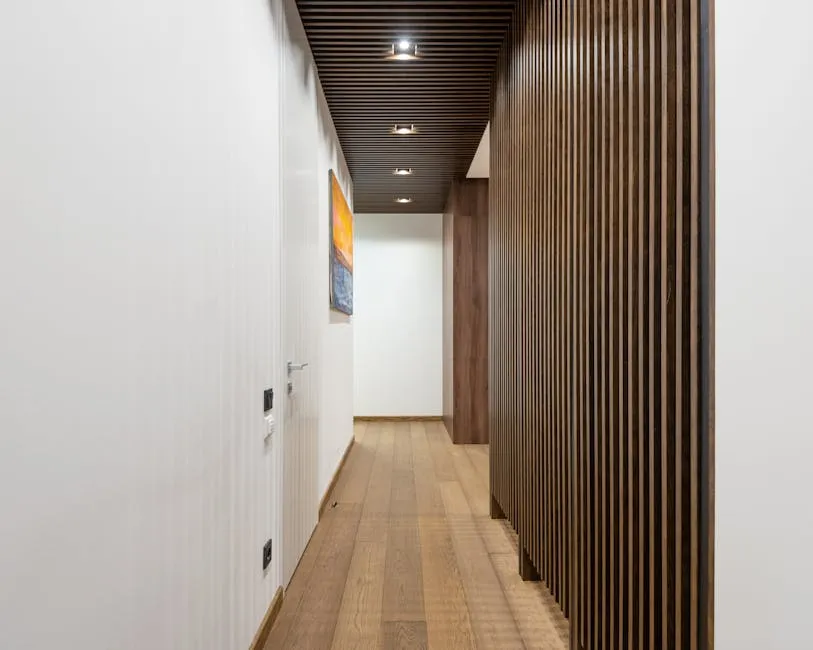
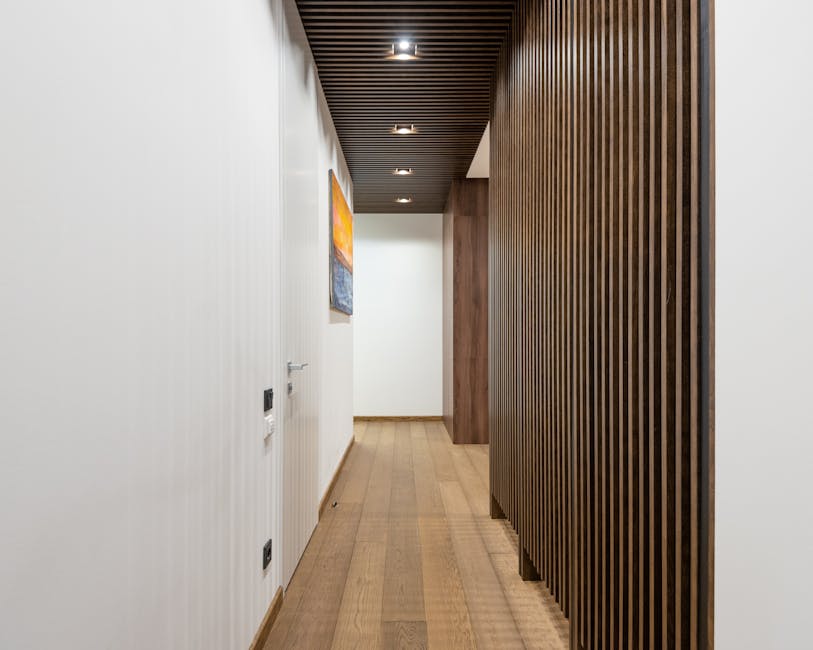
The first step in revamping a narrow hallway is understanding its dimensions and layout. Typically, hallways can vary widely in width, but for the purpose of this transformation, let’s assume a common width of 3 feet. This allows for some flexibility in design while ensuring that the space remains functional.
Consider the length of your hallway and any potential obstructions, such as doors or windows. Ideally, you want to design a workspace that doesn’t impede traffic flow while also being aesthetically pleasing. If you have a longer hallway, you might even consider creating a series of functional zones that include work areas as well as storage.
Budget Breakdown: What to Expect
Creating a home office in a narrow hallway can be achieved on various budgets. Below is a breakdown of potential costs associated with different elements of your setup:
| Item | Low Budget ($) | Mid Budget ($) | High Budget ($) |
|---|---|---|---|
| Desk | 50 | 150 | 500 |
| Chair | 30 | 100 | 300 |
| Shelving | 20 | 75 | 200 |
| Lighting | 15 | 50 | 150 |
| Decor | 10 | 40 | 100 |
From this table, it’s clear that you can create a functional workspace for as little as $125, or invest up to $1,250 for a more premium setup. Prioritize spending based on your needs; for instance, if you’re going to be spending long hours working, a quality chair and desk should be at the top of your list.
What to Prioritize in Your Setup
When setting up your home office, focus on the elements that will enhance productivity and comfort. Here are the top priorities:
- Ergonomic Furniture: Invest in an ergonomic chair and a desk that accommodates your height. A well-designed chair can prevent back pain and enhance focus.
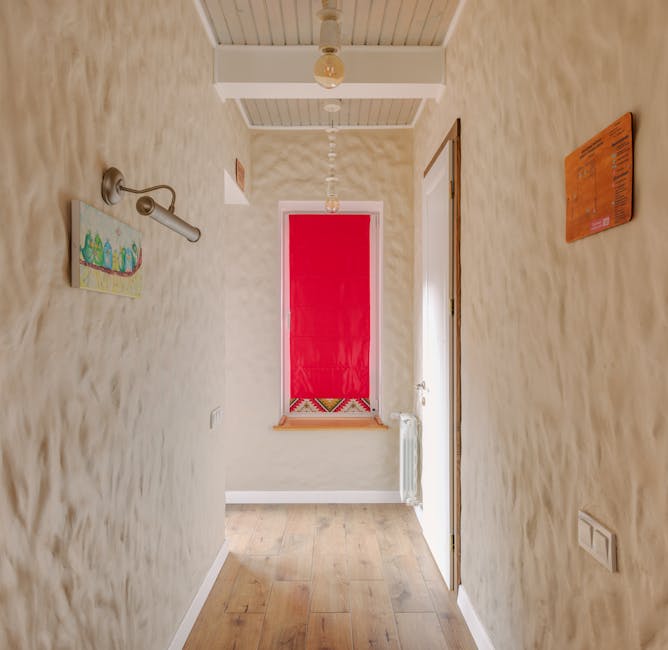
- Natural Light: If possible, place your desk near a window to benefit from natural light, which can improve mood and productivity.
- Storage Solutions: Utilize vertical space with shelves or wall-mounted storage to keep your workspace organized without taking up valuable floor space.
- Technology: Equip your office with essential tech, such as a reliable computer, monitor, and accessories that help streamline your work process.
By prioritizing these items, you can ensure that your narrow hallway office is not only functional but also a pleasant place to work.
What to Skip to Save Money
While it’s tempting to splurge on every aspect of your home office, there are certain items you can skip or choose to downgrade without sacrificing functionality. Here are a few suggestions:
- Fancy Decor: Instead of high-end art pieces, consider DIY decor or budget-friendly prints that add personality without breaking the bank.
- High-Tech Gadgets: While gadgets can enhance your workspace, many basic equipment can serve your needs just as well. Avoid unnecessary high-tech devices that don’t add real value to your workflow.
- Expensive Lighting Fixtures: Instead of investing in designer lights, opt for affordable LED desk lamps that provide adequate lighting without the hefty price tag.
By skipping these items, you can allocate more of your budget toward essentials that will truly enhance your workspace.
A Real-World Scenario: A Narrow Hallway Transformation
Consider a scenario where a freelancer named Sarah works from home in a 4-foot-wide hallway. She recognizes that her current setup is cluttered and not conducive to productivity. After evaluating her space, she decides to revitalize her hallway into a smart home office.
Sarah measures her hallway and finds that she can fit a slim desk against one wall. She opts for a compact standing desk that costs $150 and pairs it with a comfortable ergonomic chair for $100. To enhance storage, she adds wall-mounted shelves for $50 and a stylish desk lamp for $30.
By focusing on these purchases, Sarah has created a functional workspace for just $330. She skips expensive decor and high-tech gadgets, instead opting for a few personal touches like a corkboard for inspiration and a potted plant to liven up the space.
Frequently Asked Questions
Utilize light colors for walls and furniture, and incorporate mirrors to create an illusion of depth. Keeping the space uncluttered will also help.
Look for wall-mounted desks or slim standing desks that offer functionality without taking up too much space.
Yes, with the right ergonomic furniture and organizational strategies, a narrow hallway can be transformed into a comfortable work area.
Use vertical shelving, under-desk storage solutions, and multi-functional furniture like benches that can hold items.
Absolutely! Standing desks can improve posture and overall health while being designed to fit snugly into smaller areas.