
When working with a small desk area, it’s easy to overlook critical layout decisions that can dramatically affect your productivity and comfort. Mistakes in design can lead to clutter, discomfort, and a lack of focus, which can be particularly detrimental in compact workspaces. Understanding common layout blunders is essential to creating a functional and aesthetically pleasing environment.
Understanding Space Limitations
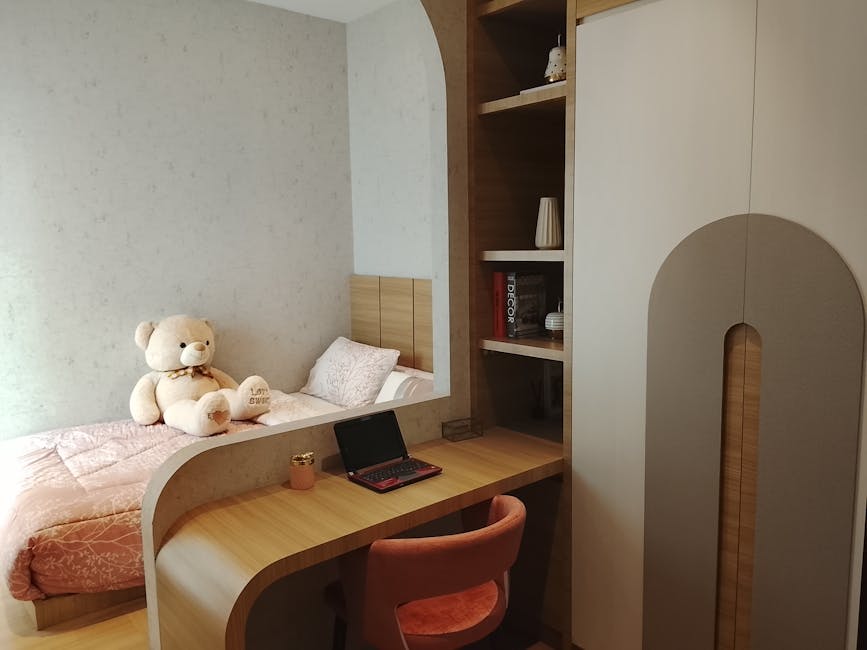
The first step in transforming your small desk area is to grasp its limitations. Acknowledging the constraints will help you prioritize what’s essential and what can be sacrificed. For example, let’s consider a scenario where you have a 4x2 foot desk in a corner of your living room. This setup can easily become cramped if not organized correctly.
Start by measuring your space accurately. Use the following simple guidelines:
- Ensure at least 36 inches of clearance around your desk to allow for comfortable movement.
- Consider vertical space; shelves can greatly enhance storage without taking up floor space.
- Identify areas that receive natural light; positioning your desk near a window can boost mood and productivity.
Avoiding Overcrowding
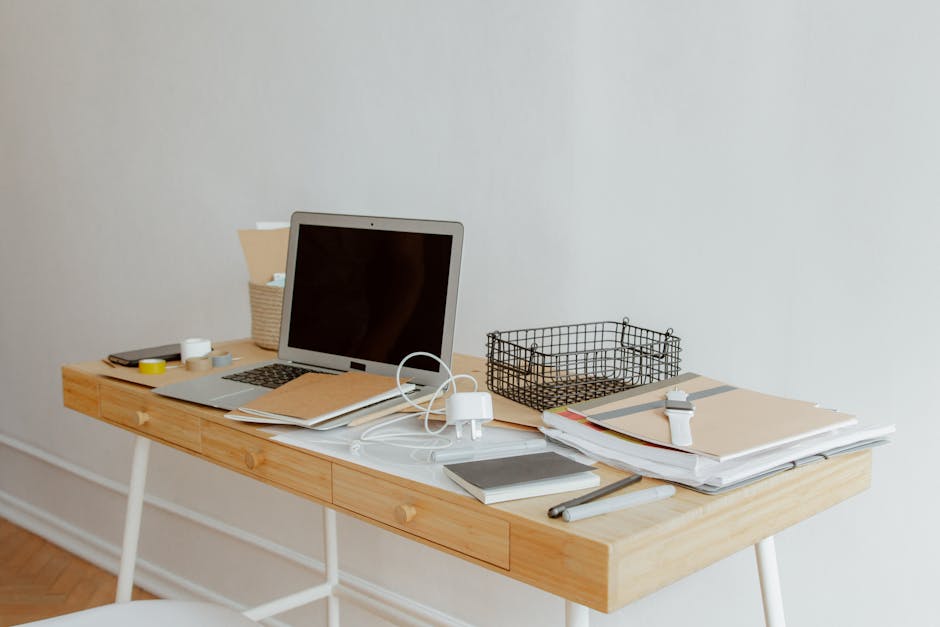
One of the most common mistakes in small desk setups is overcrowding the workspace with unnecessary items. While it may be tempting to display every pen, notebook, and gadget, this can lead to a chaotic and distracting environment. Instead, focus on minimalism.
Here are a few tips:
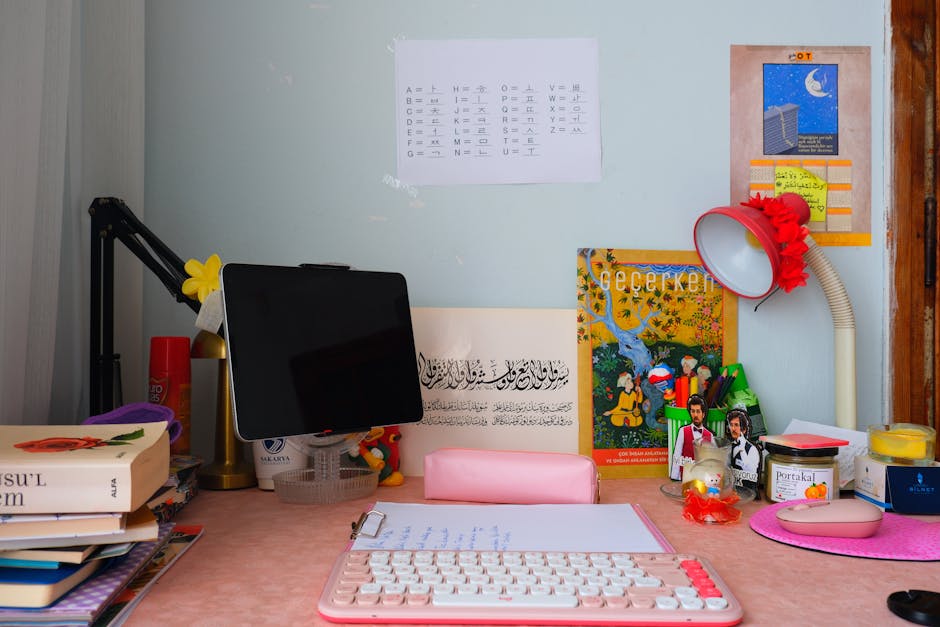
- Limit the number of decorative items; choose one or two that inspire you.
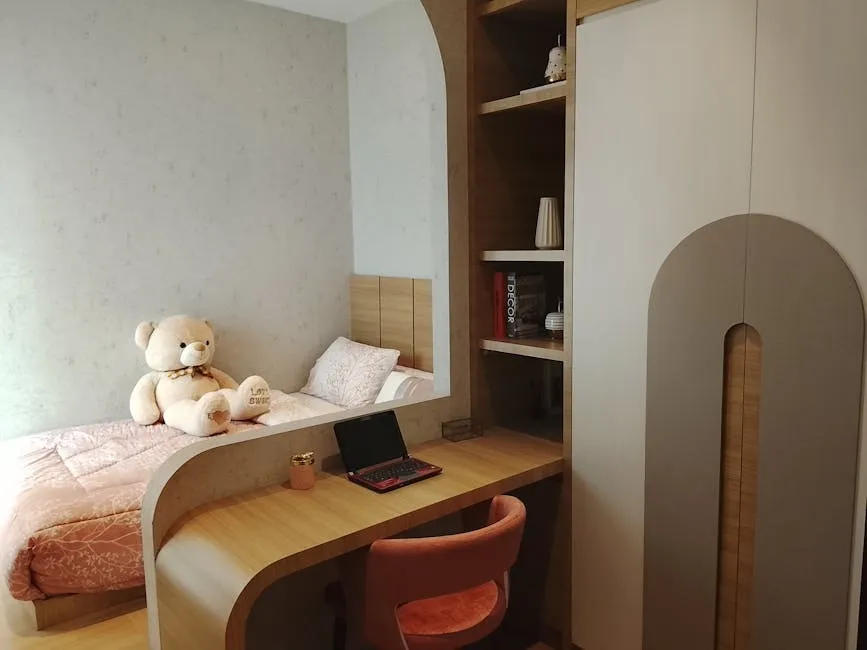
- Invest in multi-functional furniture, such as a desk with built-in storage.
- Utilize drawer organizers to keep essential items at hand but out of sight.
By keeping your space uncluttered, you can enhance both focus and creativity, leading to a more effective workspace.
Prioritizing Ergonomics
Another layout blunder is neglecting ergonomics in your desk setup. An improper chair height or desk positioning can lead to discomfort and long-term health issues. To avoid this pitfall:
- Choose an adjustable chair that supports your lower back.
- Ensure your wrists are straight while typing; your elbows should create a 90-degree angle.
- Position your monitor at eye level to prevent neck strain.
Investing in ergonomic products might seem costly, but it pays off in the long run by reducing health risks and improving productivity. Consider allocating around $200 to $400 for ergonomic essentials, which is a worthwhile investment for your well-being.
Ignoring Lighting Needs
Inadequate lighting is often overlooked when designing a small desk area. Poor lighting can lead to eye strain and fatigue, diminishing your work efficiency. Therefore, prioritize proper lighting solutions:
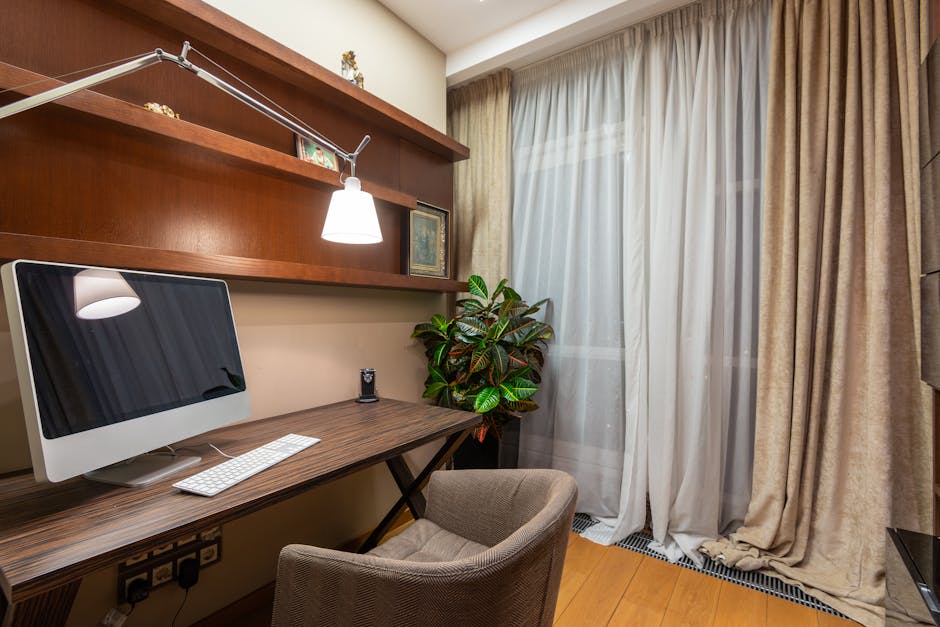
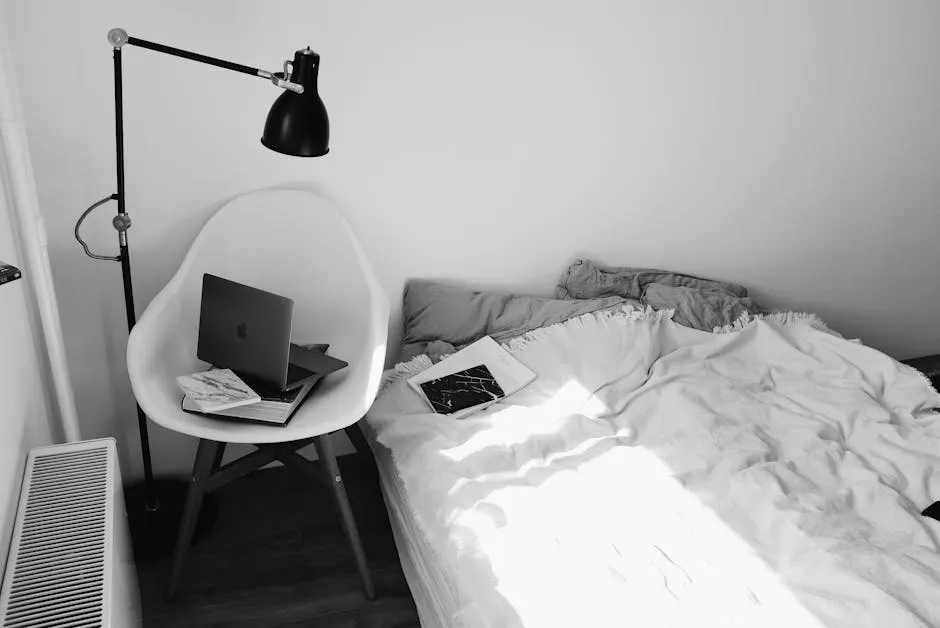
- Utilize a combination of natural light and task lighting. A desk lamp with adjustable brightness can help.
- Consider LED lights for energy efficiency and longevity.
- Be mindful of shadows; position your desk lamp to avoid casting shadows on your workspace.
By ensuring sufficient lighting, you create a more inviting and productive atmosphere.
Neglecting Personalization
While functionality is key, neglecting personalization in your workspace can make it feel sterile and uninspiring. Personal touches can motivate and enhance creativity. Here’s how to personalize your desk area without compromising space:
- Select a few framed photos or artwork that bring joy.
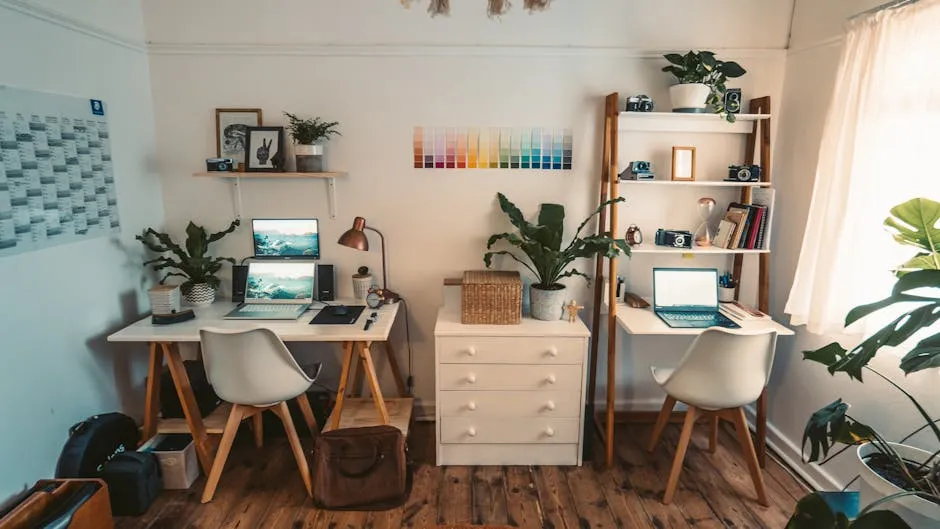
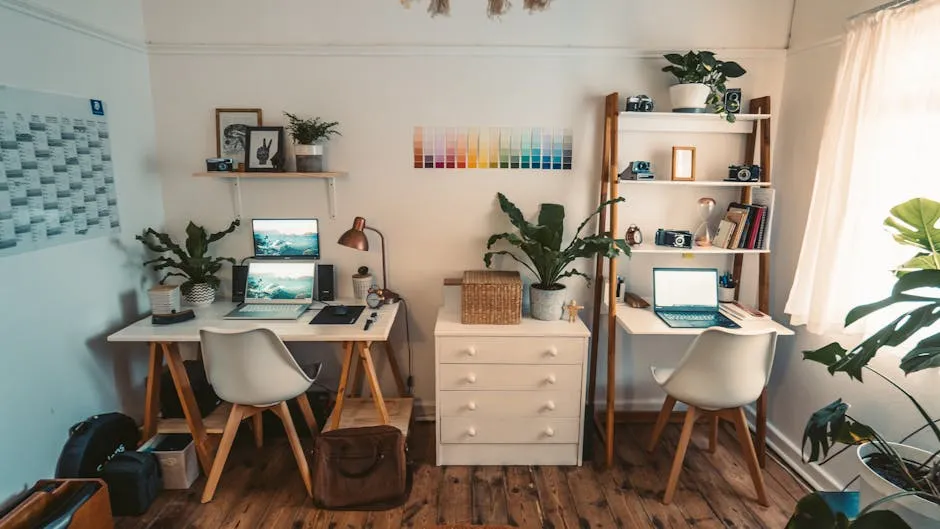
- Incorporate plants or greenery; they improve air quality and add vibrancy.
- Utilize wall space for a vision board or inspiring quotes.
These simple additions can transform a bland workspace into a motivating environment.
Actionable Recommendations for Small Desk Areas
To wrap up the discussion, here are actionable recommendations to improve your small desk area:
- Conduct a thorough decluttering session; keep only what is essential.
- Invest in storage solutions that fit your space constraints, such as floating shelves or under-desk storage.
- Regularly reassess your layout; as your needs change, so should your workspace.
By implementing these strategies, you can transform your small desk area into a functional and enjoyable workspace that meets your needs.
Frequently Asked Questions
The ideal desk height typically ranges from 28 to 30 inches. However, adjust based on your own height and chair to maintain ergonomics.
Use wall-mounted shelves, pegboards, or hooks to store items off the desk and keep the workspace clear.
Yes, many budget-friendly ergonomic chairs are available for under $200. Look for features like adjustable height and lumbar support.
Essential items include a quality monitor, an ergonomic chair, basic stationery, and adequate lighting.