

Understanding the Power of Color in Small Spaces
Color has a profound impact on our mood and perception, particularly in small living rooms where space can feel limited. Incorporating bold colors into your small living room can create a vibrant environment that enhances the room's overall aesthetic. However, the challenge lies in balancing these bold hues with the existing dimensions and lighting of your space. This guide will provide expert tips to help you effectively use bold colors while maintaining harmony and functionality in your small living room.
Choosing the Right Bold Colors

When selecting bold colors for your small living room, it’s essential to consider the psychological effects of different hues. Each color can evoke different feelings and responses:
- Red: Excitement and energy, but can be overpowering if overused.
- Blue: Calming and serene, great for creating a tranquil ambience.
- Yellow: Cheerful and uplifting, perfect for adding warmth.
- Green: Refreshing and balanced, ideal for a natural touch.
- Purple: Luxurious and sophisticated, adds depth to the room.
To effectively incorporate these colors, consider their intensity and how they interact with natural light. Shades like teal or mustard can provide the boldness you seek while still feeling inviting.
Accent Walls: A Bold Statement

Creating an accent wall is one of the most effective ways to introduce bold colors into your small living room. This technique draws attention without overwhelming the space. Here’s how to do it:
Selecting the Right Wall
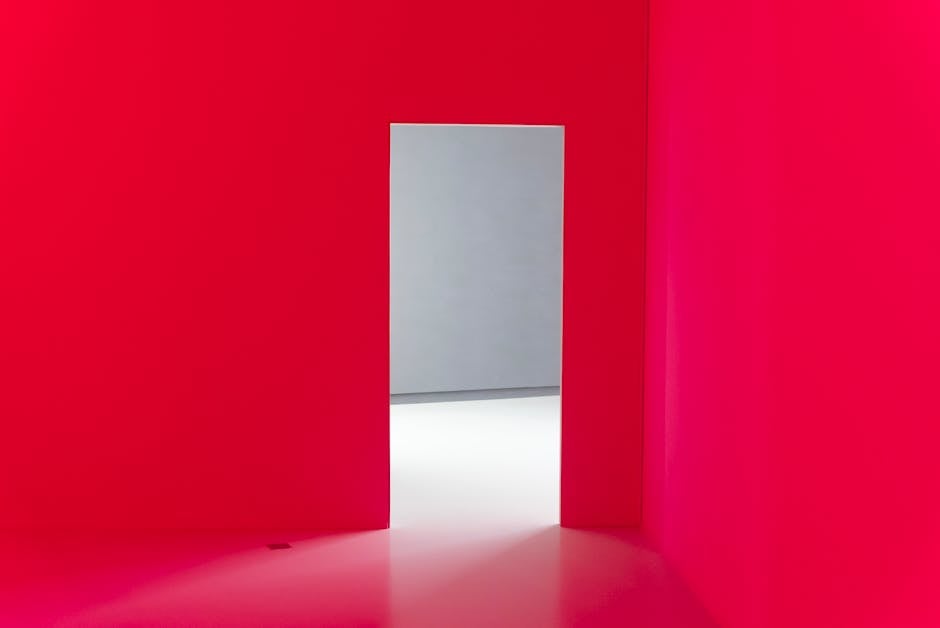
Choose a wall that naturally draws the eye, such as the wall behind your sofa or a wall with a fireplace. This placement enhances the visual impact of the bold color.
Choosing the Finish

Consider using a matte finish for a subtle look or a satin finish for a touch of elegance. Glossy finishes reflect light, making the space feel bigger, but can also intensify the color's boldness.
Complementing with Decor
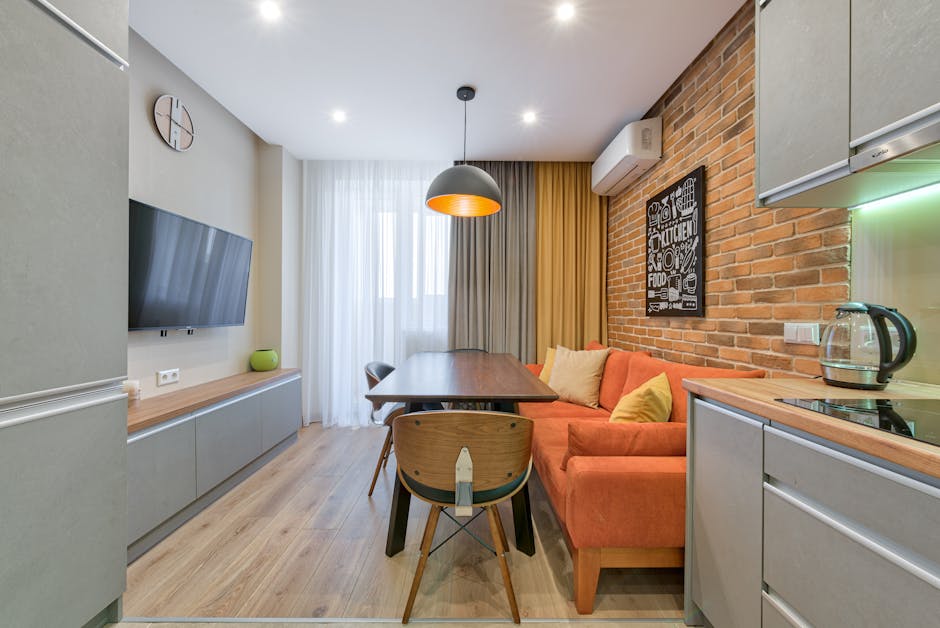
After painting your accent wall, complement it with decor that picks up on the bold color. For instance, if you choose a deep blue wall, add throw pillows or art pieces that incorporate shades of blue, white, or contrasting colors like orange or yellow.
Furnishings: Bold Choices for Impact
Choosing bold furniture pieces can significantly enhance your small living room's aesthetic. Here are some strategies:
Statement Furniture
Invest in a standout piece, such as a bright red sofa or a vibrant green armchair. This focal point will ground the room while adding character.
Mixing Patterns and Textures
Don’t shy away from mixing patterns. A bold floral rug paired with a striped armchair can create visual interest. Just ensure the colors complement each other to maintain cohesion.
Accessorizing with Bold Colors
Accessories are a fantastic way to incorporate bold colors without committing to large furniture pieces. Here’s how to accessorize effectively:
Artwork and Wall Decor
Choose artwork that features bold colors and place it strategically to enhance your color scheme. Large canvases can serve as excellent focal points.
Cushions and Throws
Add colorful cushions and throws to your sofa. This approach allows for easy updates as trends change while adding warmth and comfort to the space.
Rugs
A bold rug can anchor your living room. Choose a design that complements the colors of your walls and furniture, ensuring a cohesive look.
Lighting: Enhancing Bold Colors
Lighting plays a crucial role in how bold colors are perceived in a small living room. Here’s how to maximize your lighting:
Natural Light
Utilize natural light as much as possible. Light-colored curtains or sheer fabrics can help illuminate your bold colors and make the space feel larger.
Layered Lighting
Incorporate layered lighting with floor lamps, table lamps, and overhead fixtures. Adjustable lighting allows you to create different moods and enhance your color palette.
Maintaining Balance and Harmony
While incorporating bold colors, it’s essential to maintain balance and harmony in your small living room. Here are some tips:
Neutral Base
Start with a neutral base for walls and larger furniture pieces. This will allow the bold colors to stand out without clashing.
Color Proportion
Use the 60-30-10 rule: 60% of the room should be neutral, 30% should be the bold color, and 10% should be accent colors. This proportion helps to keep the space visually appealing without feeling chaotic.
Frequently Asked Questions
Popular choices include deep blues, vibrant greens, and rich reds. These colors can add depth and character without overwhelming the space.
Use a neutral base and apply the 60-30-10 color rule to maintain balance. This ensures the bold colors enhance rather than dominate the space.
Yes, use removable wallpaper or large accessories to bring in bold colors without permanent changes. This allows you to personalize your space without losing your security deposit.
Consider the room's lighting and existing decor. Test paint samples in different lighting to see how they change throughout the day.
Avoid clashing colors that can create a chaotic look. Stick to complementary colors that enhance each other for a more harmonious feel.