
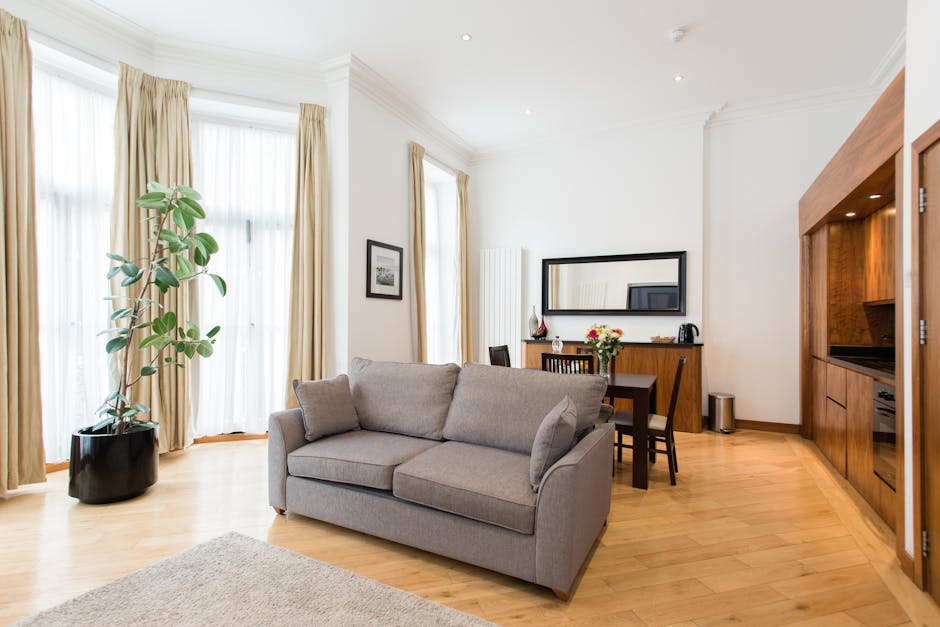
Small living rooms often pose a unique challenge. The limited space can feel stifling, especially when you want to foster a creative environment. Instead of letting constraints dictate your design choices, consider how to maximize your space and style on a budget. This journey begins with understanding your priorities and identifying elements that will truly enhance creativity rather than hinder it.
Identifying Key Elements for Creativity
Creating a space that inspires creativity starts with understanding what elements stimulate your imagination. Think about the activities you want to engage in—whether it’s reading, painting, or simply brainstorming ideas. Elements such as color, light, and flexibility are crucial. For instance, a bright, well-lit area can invigorate your mind, while a cozy corner invites relaxation and contemplation.
Budget Breakdown: What to Spend On
Here’s a practical way to allocate your budget effectively. Start by identifying the three main areas of investment: furniture, decor, and lighting. Allocate approximately 50% of your budget to furniture, as comfort and functionality are key. Seek out multipurpose pieces, such as a sofa bed or a coffee table that doubles as storage. Around 30% should go to decor, focusing on items that reflect your personality, such as art or personal mementos. The remaining 20% should be reserved for lighting, as it significantly affects the mood and creativity of the space.
Cost Ranges: Realistic Expectations
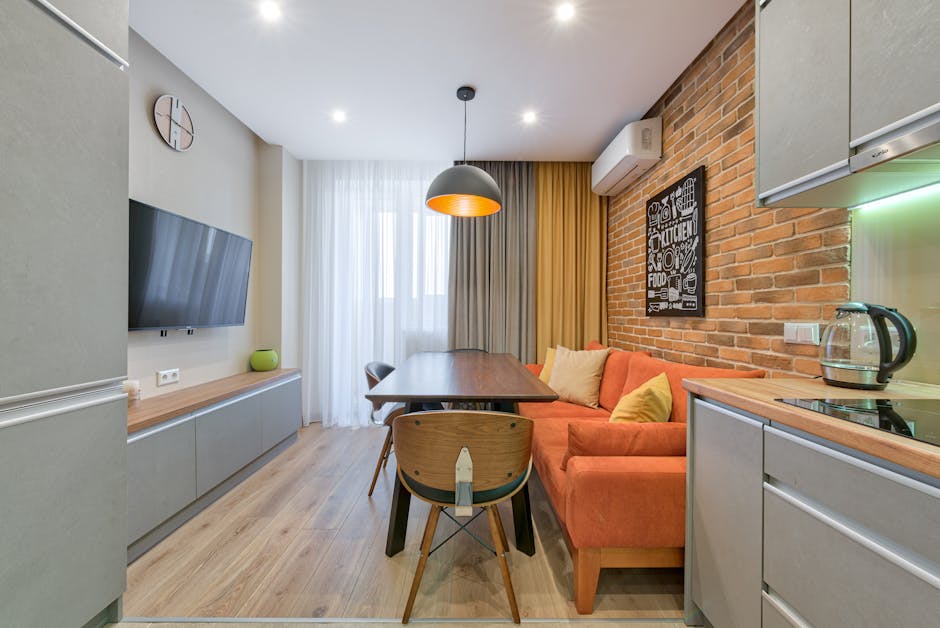
Understanding the cost ranges of different elements can help you make informed decisions. For furniture, expect to spend anywhere from $300 to $1,500 depending on quality and design. Thrift stores or online marketplaces can offer great deals if you're patient. Decor items can range from $50 for simple prints to $500 for statement art pieces. Prioritize what resonates with you; a single, impactful artwork can serve as a focal point. Lighting fixtures can range from $20 for basic lamps to over $200 for designer pieces, but remember that even budget options can create an inviting atmosphere.
What to Prioritize: Essential Features
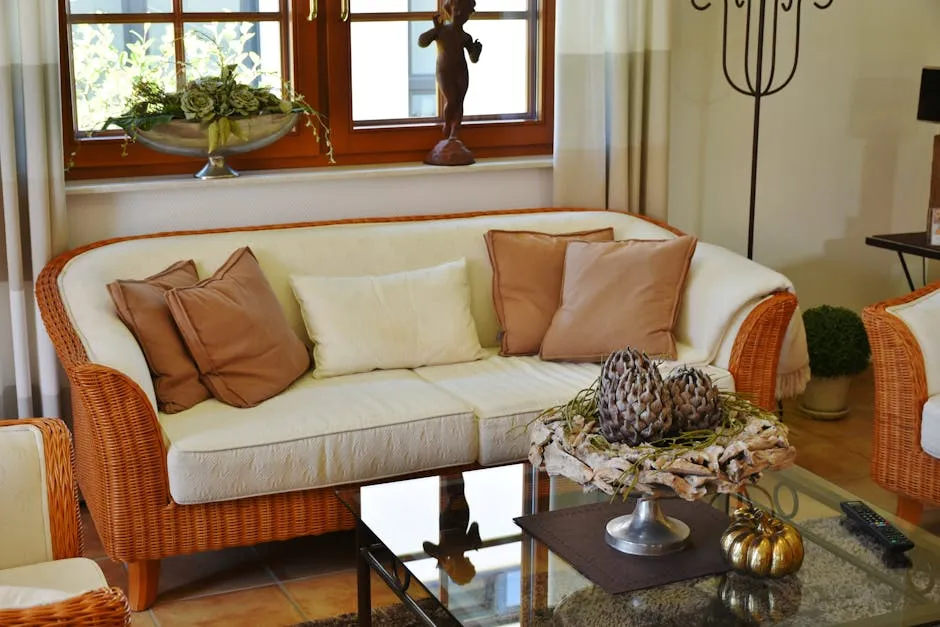
While every element can contribute to the overall feel of your living room, certain features are essential for encouraging creativity. A comfortable seating area should be your top priority. Choose a sofa that invites long hours of sitting, or even consider an oversized bean bag for a laid-back vibe. Next, focus on storage solutions that keep clutter at bay. A tidy environment can enhance creativity by minimizing distractions. Lastly, consider flexible layouts that allow for easy rearrangement. This adaptability can encourage different activities—like hosting friends or crafting—based on your mood.
What to Skip: Common Pitfalls
In the quest for a creative small living room, it’s easy to fall into the trap of over-decorating. Resist the urge to fill every inch of space with items. Instead, embrace minimalism. Too many decor pieces can clutter your space and overwhelm your senses. Additionally, avoid investing in oversized furniture that doesn’t fit. Stick to proportional pieces that enhance rather than dominate the space. Remember, less can be more when aiming for a serene, creative atmosphere.
Incorporating Personal Touches: Making It Yours
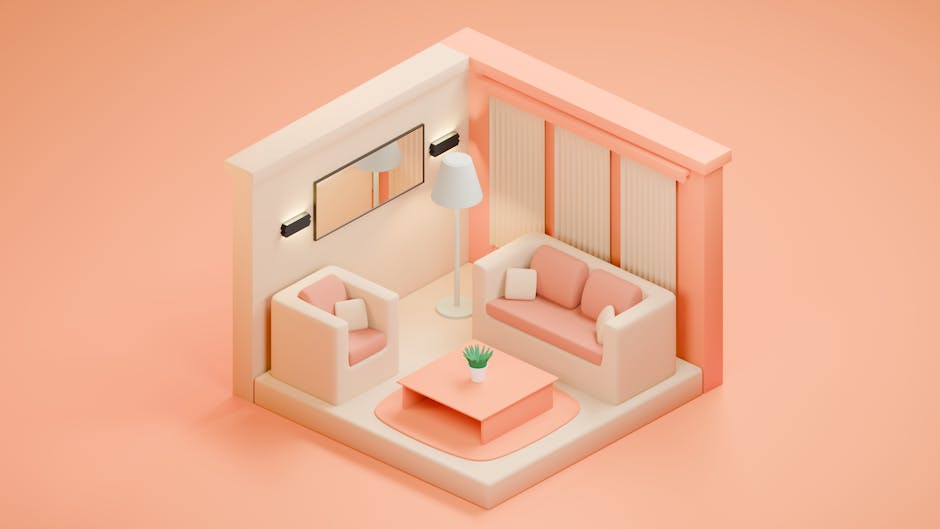
Your living room should reflect who you are. Incorporate personal touches that resonate with your creative spirit. This could be a gallery wall showcasing your artwork or photographs from your travels. Use vibrant cushions or throws that inspire joy and warmth. If you’re a reader, consider a small bookshelf that doubles as decor. The key is to curate a collection of items that spark joy and fuel your creativity.
Actionable Tips for Immediate Application
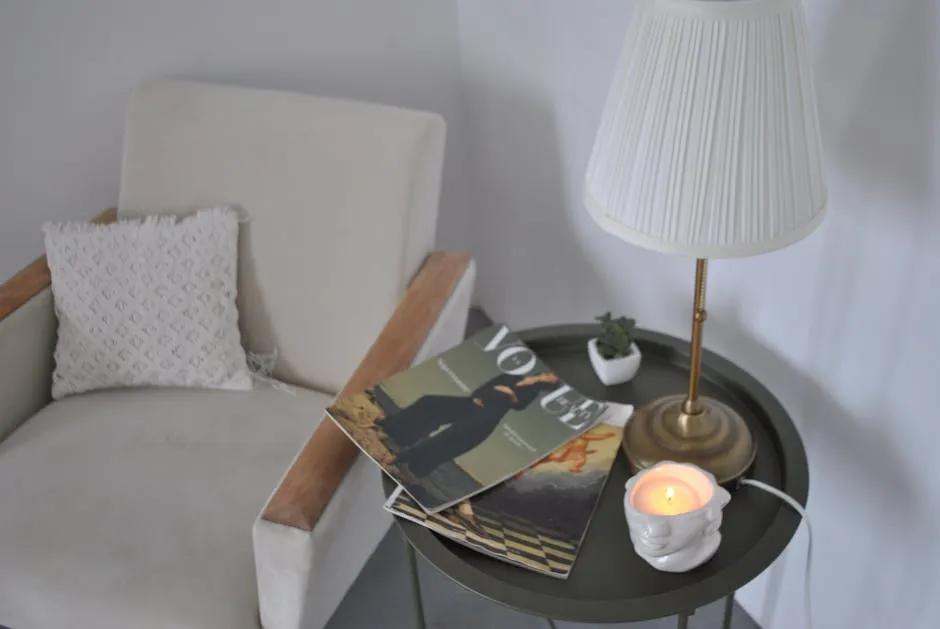
Start by decluttering your space. Remove any items that don’t serve a purpose or bring you joy. Next, invest in one key piece of furniture or decor that excites you and fits within your budget. Lastly, experiment with lighting—try a new lamp or rearrange your current setup to see how it changes the atmosphere.
Frequently Asked Questions
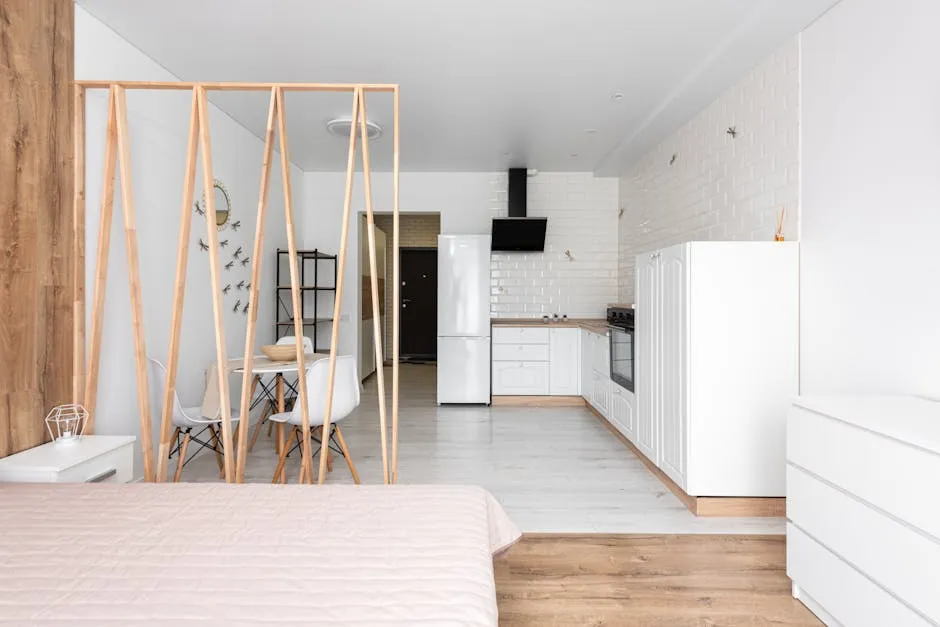
Utilize mirrors to reflect light and create an illusion of space. Choose light colors for walls and furniture to enhance brightness. Modern apartment with cabinets with oven and microwave in kitchen near wooden shelves with books near entrance in room with wardrobe with curtains near living room with couch and carpet
DIY art projects, repurposed furniture, and thrift store finds can add unique style without breaking the bank. Consider plants as they add life and color.
Absolutely. Quality furniture not only lasts longer but also enhances comfort and aesthetic appeal, making it a worthwhile investment.
Consider using poufs, floor cushions, or folding chairs that can easily be stored away when not in use, allowing for versatile seating arrangements. A bright and cozy Scandinavian-style bedroom with wooden floors, plants, and modern furnishings.
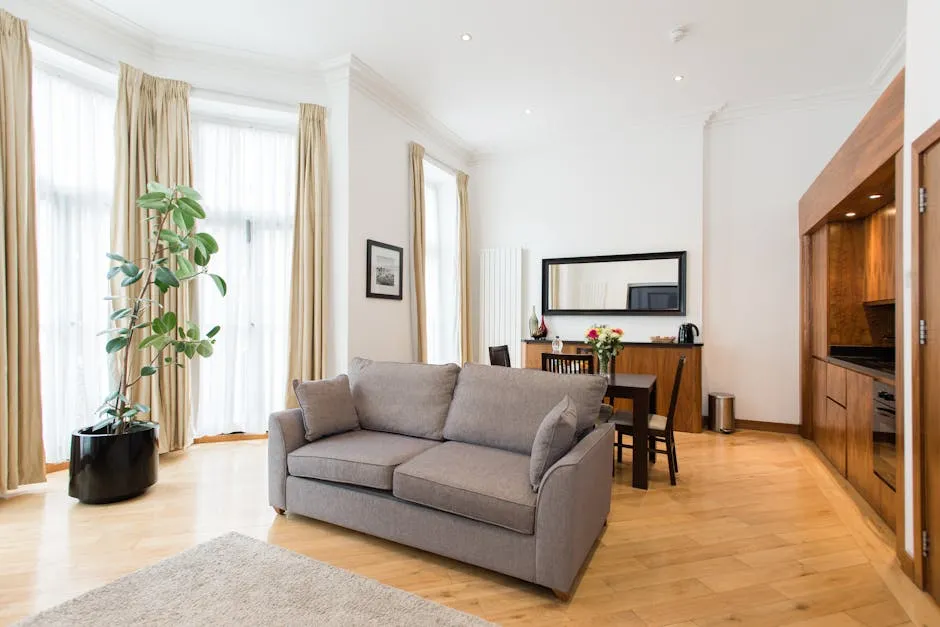
Use furniture to create zones; for example, a bookshelf can act as a divider. Opt for modular furniture that can be adapted to different layouts. Stylish living room featuring a modern sofa and minimalistic decor for a cozy ambiance.