
Understanding the Need for a Relaxation Zone
In the fast-paced world we live in, stress can accumulate rapidly, often leading to feelings of overwhelm. Your living room, ideally a retreat for relaxation, can morph into a cluttered space filled with reminders of daily pressures. If your small living room feels more like a source of stress than a sanctuary, it’s time to rethink how the space is utilized. A dedicated relaxation zone can be your personal haven, providing the mental and emotional reprieve you need.

Evaluating Your Space: Constraints and Opportunities
Before diving into design, it’s crucial to assess your living room. Measure your space to understand its limitations—this includes noting the dimensions of furniture and the layout. A common mistake is underestimating how much space furniture occupies. For instance, a bulky sofa can dominate a small room, leaving little room for movement and comfort. Instead, consider alternatives like a loveseat or even a stylish chaise lounge that fits snugly against a wall, allowing for more open floor space.
Look for underutilized areas, such as corners or nooks. These spots can become perfect locations for a cozy reading chair or a small meditation corner. Try to visualize how you interact with the room and pinpoint what areas feel congested or chaotic. This honest assessment will guide your design choices.
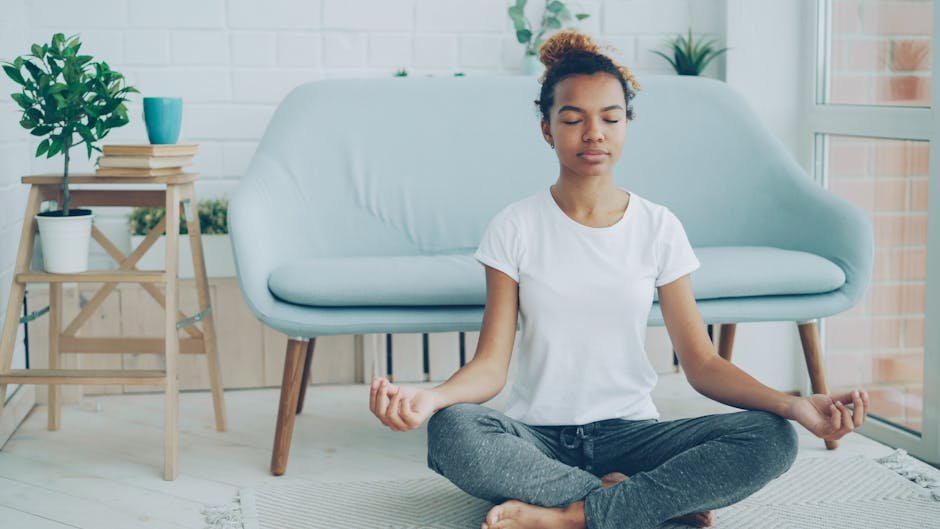
Choosing the Right Furniture for Comfort
Furniture selection is pivotal when creating a relaxation zone. Opt for pieces that promote comfort without compromising on space. A modular sofa can adapt to your needs, allowing for various configurations based on the occasion. Additionally, lightweight furniture can be rearranged easily to accommodate different activities.
In practice, a recliner or a bean bag chair can provide instant comfort and can be tucked away when not in use. Look for furniture with soft fabrics and calming colors—think pastels or earth tones that naturally promote relaxation. For example, a soft, muted green or a gentle blue can mimic the tranquility of nature. This color psychology is supported by research indicating that certain hues can have a calming effect, making them ideal for your relaxation zone.
Creating Ambiance with Lighting
Lighting plays a crucial role in setting the mood for relaxation. In small living rooms, layered lighting can create depth and warmth without overwhelming the senses. Start with ambient lighting, such as a central ceiling fixture, then add task lighting like floor lamps or table lamps for specific areas. Dimmable fixtures can offer flexibility, allowing you to adjust brightness based on the time of day or your mood.
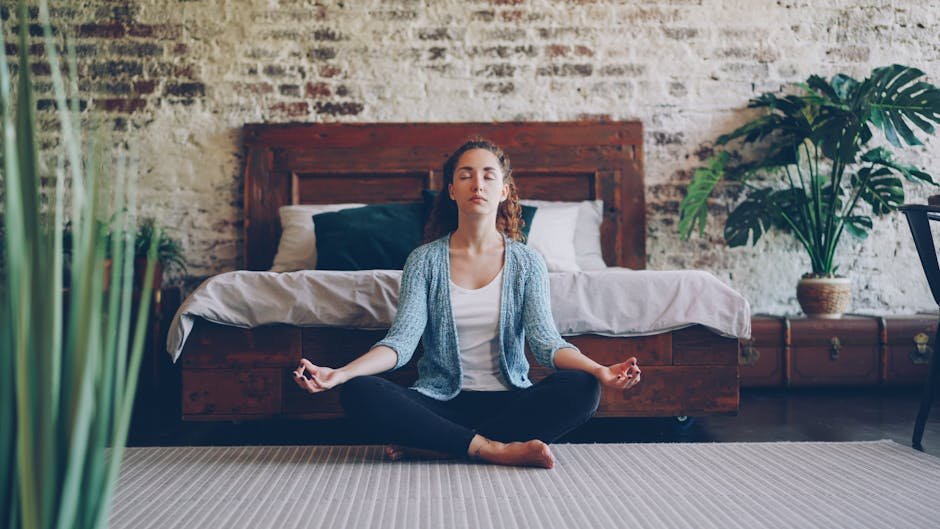
Consider using warm white bulbs, which provide a softer glow compared to harsh daylight bulbs. Incorporate accent lighting with LED strips behind furniture or along shelves to create a soothing glow. In practical terms, this approach not only enhances the aesthetic but also promotes a sense of calm, reducing eye strain and fostering a peaceful environment.
Incorporating Nature for Enhanced Relaxation
Bringing elements of nature indoors can significantly boost your relaxation zone. Plants improve air quality and add a touch of life to your living room. Even in small spaces, consider low-maintenance plants like succulents, snake plants, or pothos that thrive with minimal care. These plants not only add greenery but also help create a calming atmosphere.
Additionally, incorporating natural materials can enhance your space's tranquility. Wood accents or bamboo furniture can evoke a sense of connection to nature, promoting relaxation. According to biophilic design principles, integrating natural elements within our living spaces can reduce stress and improve overall well-being. A small water feature or a desktop fountain can also provide soothing sounds that contribute to a peaceful ambiance.
Establishing a Routine for Relaxation
Creating a relaxation zone isn't solely about the physical space; it's also about establishing a routine that encourages you to unwind. Dedicate specific times for relaxation—whether it's a quiet evening with a book, morning meditation, or simply enjoying a cup of tea. Incorporating these activities into your daily routine helps solidify your relaxation zone as a sacred space.
Consider setting boundaries as well. If you work from home, make it a rule to leave work-related materials outside your relaxation zone. This separation reinforces the idea that this area is for unwinding and rejuvenating, not for productivity. In practice, this can mean having a dedicated basket for work items that you can easily store away after hours, maintaining the tranquility of your relaxation zone.
Frequently Asked Questions
Start by decluttering the space, introducing soft textiles like throw pillows and blankets, and enhancing lighting with warm, inviting sources. Incorporating a few plants can also create a calming atmosphere.
Choose furniture that serves multiple purposes, such as an ottoman that doubles as storage or a sofa bed for guests. Arrange the space flexibly to accommodate different activities like reading, meditating, or entertaining.
Consider low-maintenance options like spider plants, pothos, or peace lilies that can thrive in various light conditions and require minimal care, making them perfect for small spaces.
Opt for soft, muted colors that evoke calmness, such as light blues, greens, or neutral tones. These colors help create a serene environment conducive to relaxation.
Use mirrors to reflect light and brighten the space. Additionally, choose light-colored decor and consider using full-spectrum light bulbs to simulate natural light, enhancing the room’s ambiance.