
Understanding the Challenges of Small Living Rooms
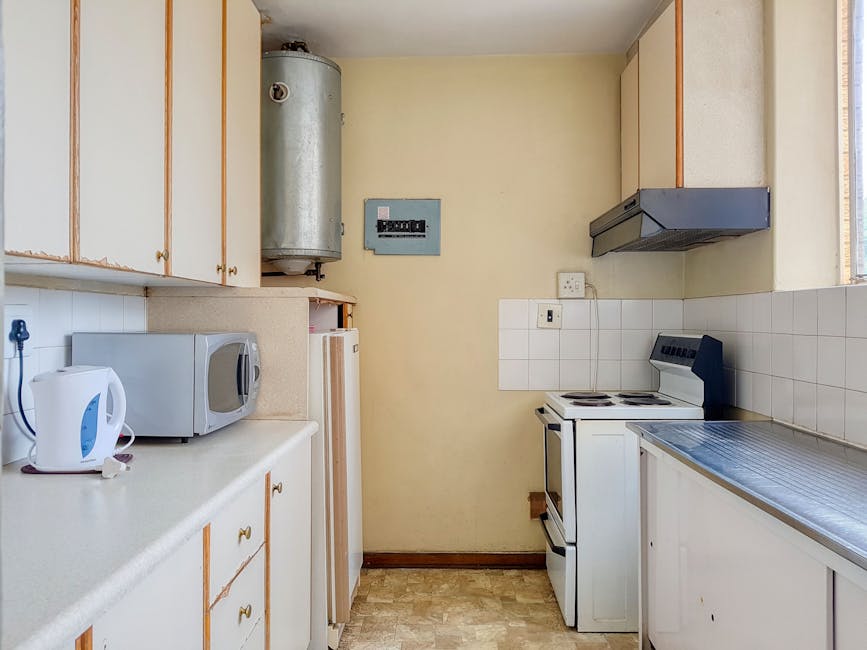
Designing a small living room for entertaining can seem daunting due to limited space and the need for functionality. However, with careful planning and creativity, you can create an inviting atmosphere that accommodates friends and family without feeling cramped. The key is to maximize the available space while ensuring comfort and accessibility.
Choosing the Right Furniture
Selecting the right furniture is crucial in small living room design. Opt for pieces that serve multiple purposes and fit the scale of your room.
Multi-Functional Furniture
- Sofa Beds: Ideal for accommodating overnight guests.
- Ottomans: Can serve as seating, a coffee table, or hidden storage.
- Nested Tables: Provide flexibility and can be tucked away when not in use.
Scaling Down
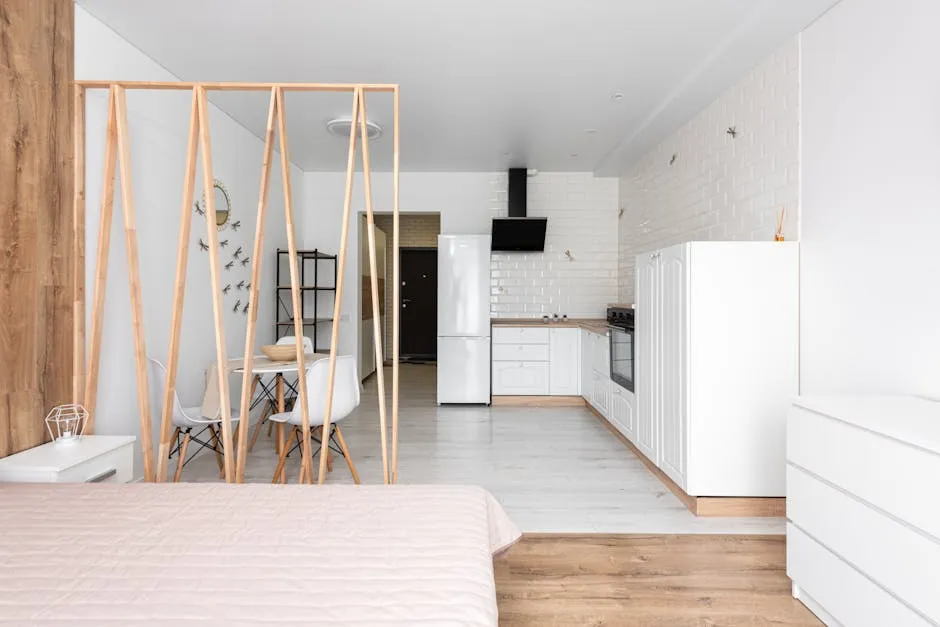
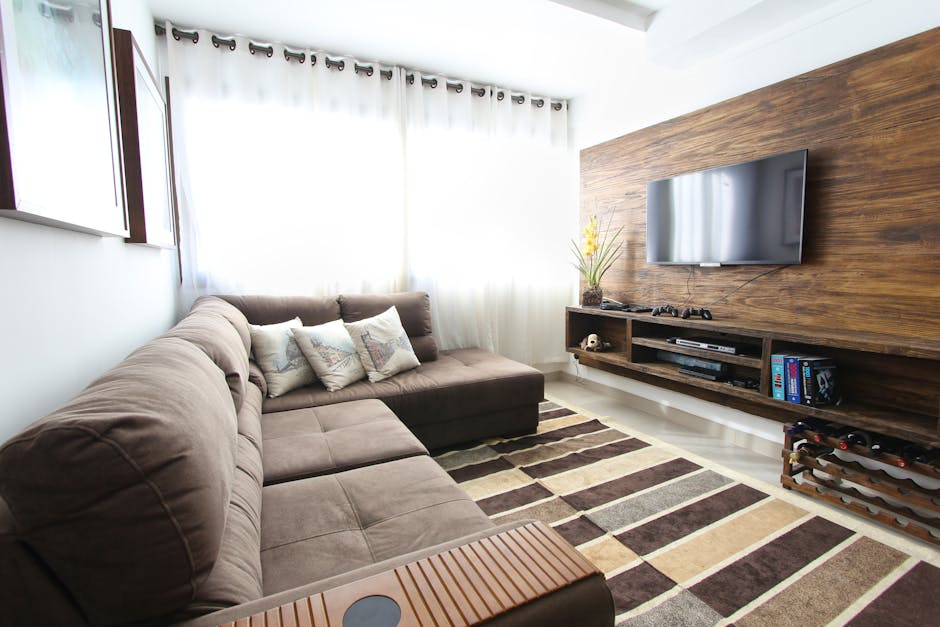
Choose furniture that fits the proportions of your small living room. Oversized sofas can overwhelm the space, making it feel cluttered. Instead, consider a loveseat or a sleek sectional that allows for movement and interaction among guests.
Optimal Layout for Entertaining
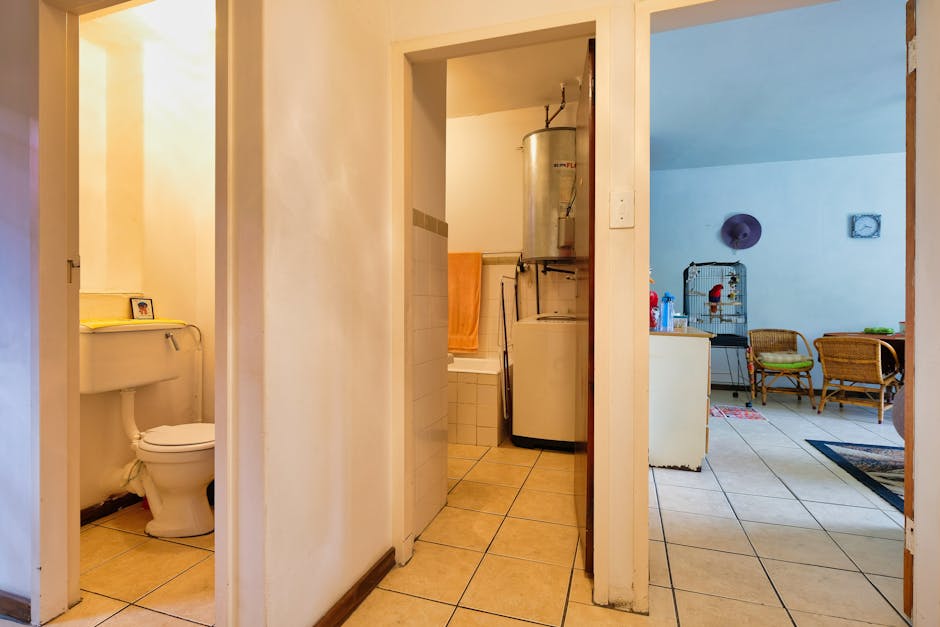
The layout of your small living room plays a significant role in creating an inviting environment for entertaining. Aim for a configuration that encourages conversation and flow.
Creating a Conversation Area
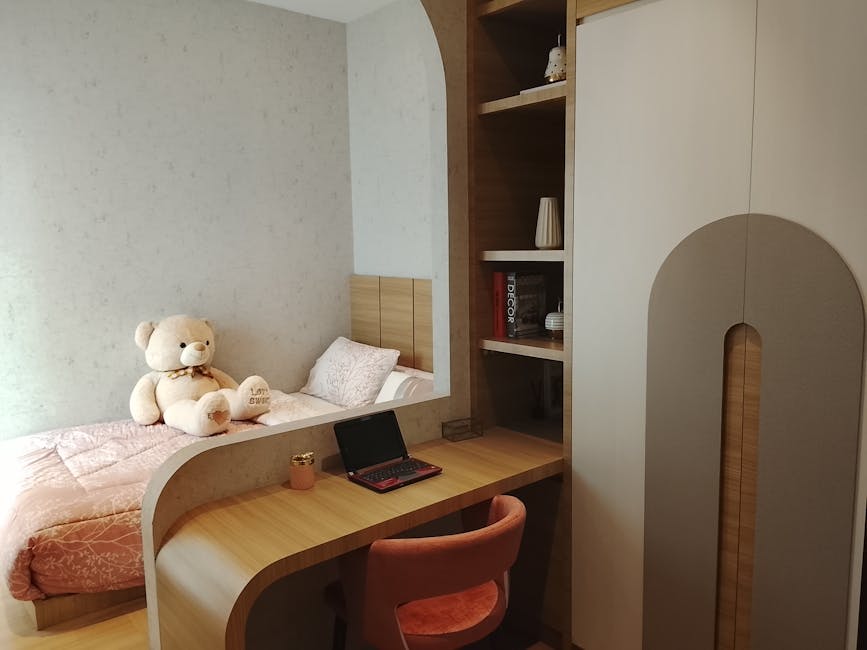
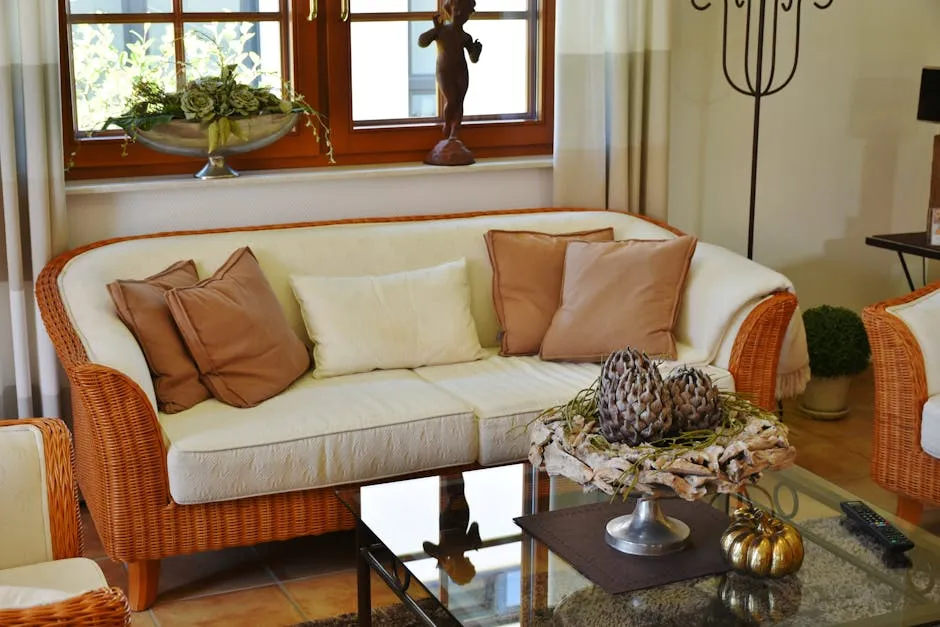
Arrange seating in a way that faces each other, promoting interaction. A circular seating arrangement can be very effective, allowing everyone to engage easily. Ensure that there is enough space between seats to avoid a cramped feeling.
Flow and Accessibility
Maintain clear pathways through the room. Avoid placing furniture in a way that obstructs movement or access to vital areas, like entryways or exits. A well-planned layout not only looks great but also enhances the overall experience of entertaining.
Incorporating Decor Elements
Decor can significantly enhance a small living room's appeal, making it feel more inviting and stylish. Use colors and decorations wisely to create a cohesive look.
Color Schemes
Light colors can make a small living room feel larger and more open. Consider a palette of whites, pastels, or soft neutrals. Use bolder colors in accents like cushions, art, or rugs to add personality without overwhelming the space.
Accessorizing Wisely
- Wall Art: Utilize vertical space with artwork or shelves to draw the eye upwards.
- Mirrors: Place mirrors strategically to reflect light and create the illusion of more space.
- Plants: Incorporating greenery can add life and warmth to your living room, making it more inviting.
Lighting Strategies for Small Living Rooms
Good lighting is essential in any living space, especially small ones. It can change the atmosphere and make the room feel more spacious.
Layering Light
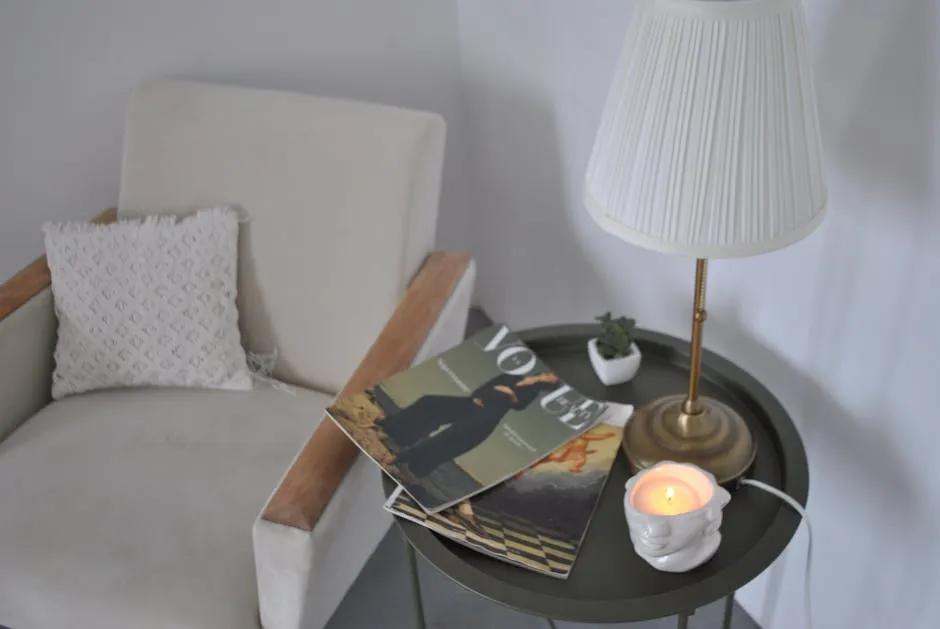
Use a combination of ambient, task, and accent lighting to create a warm and inviting environment. Consider floor lamps, table lamps, and overhead fixtures to achieve a layered effect that brightens the room without making it feel cluttered.
Natural Light Maximization
Utilize natural light to enhance the feeling of openness. Keep window treatments light and airy, and avoid heavy drapes that block sunlight. If privacy is a concern, consider sheer curtains or blinds that allow light while providing seclusion.
Storage Solutions to Keep Clutter at Bay
In a small living room, keeping clutter under control is essential for a pleasant entertaining experience. Smart storage solutions can help maintain an organized and tidy space.
Built-In Storage
If possible, incorporate built-in shelves or cabinets that blend seamlessly with the room's design. Custom storage solutions can maximize space and provide a polished look.
Decorative Storage Options
- Baskets: Use stylish baskets to store blankets and magazines.
- Storage Ottomans: Choose ottomans that open up for hidden storage.
- Floating Shelves: Use these for books and decorative items without taking up floor space.
Creating an Inviting Atmosphere
Ultimately, the goal of your small living room is to create a space where guests feel comfortable and welcome. Consider the following elements to achieve this:
Personal Touches
Incorporate personal items such as family photos, travel souvenirs, or artwork that reflects your personality. These elements make the space feel unique and inviting.
Comfort and Warmth
Use soft textiles like throw pillows, blankets, and area rugs to create a cozy atmosphere. The right textures can make your living room feel warm and inviting, encouraging guests to relax and enjoy their time.
Frequently Asked Questions
Essential pieces include a comfortable sofa or loveseat, a coffee table, and a couple of accent chairs. Consider multi-functional furniture like ottomans or storage benches.
Use light colors, mirrors, and strategic lighting to create an illusion of space. Arranging furniture to allow clear pathways also contributes to a feeling of openness.
Utilize furniture that offers hidden storage, such as ottomans or benches. Built-in shelves and decorative baskets are also excellent for keeping items organized without adding clutter.
Incorporate soft textiles, warm lighting, and personal decor touches. Use layered lighting to create a warm glow and make the space feel inviting.
Yes, dark colors can be used effectively in small spaces. Balance them with light accents and good lighting to prevent the room from feeling too enclosed.
A circular or semicircular seating arrangement encourages conversation and interaction. Keep pathways clear and ensure seating is not too far apart for easy engagement.