
Imagine stepping into your small living room, only to be greeted by a jumble of mismatched furniture and clutter. Instead of feeling cozy, the space feels cramped and uninspired. If you're one of the many grappling with how to furnish a small living room on a tight budget, you're not alone. The challenge lies not just in making the most of limited square footage but also in doing it without spending a fortune.

Understanding the Fundamentals of Small Living Spaces
Small living rooms come with their own set of challenges and opportunities. To begin with, it's crucial to understand the purpose of your space. Is it primarily for relaxation, entertaining, or perhaps a workspace? By defining the primary function, you can make more informed decisions about what furniture and decor to include. In practice, a well-defined purpose allows you to prioritize items that serve your needs rather than filling the room with unnecessary pieces.
Choosing Multi-Functional Furniture
One of the most effective strategies for furnishing a small living room is to invest in multi-functional furniture. This type of furniture serves more than one purpose, maximizing utility without overcrowding your space. Consider a coffee table that doubles as a storage unit, or a sofa bed that provides seating by day and a sleeping area by night. Such pieces not only enhance functionality but also add a layer of style. For instance, a sleek, modern ottoman can serve as both a footrest and additional seating when needed.
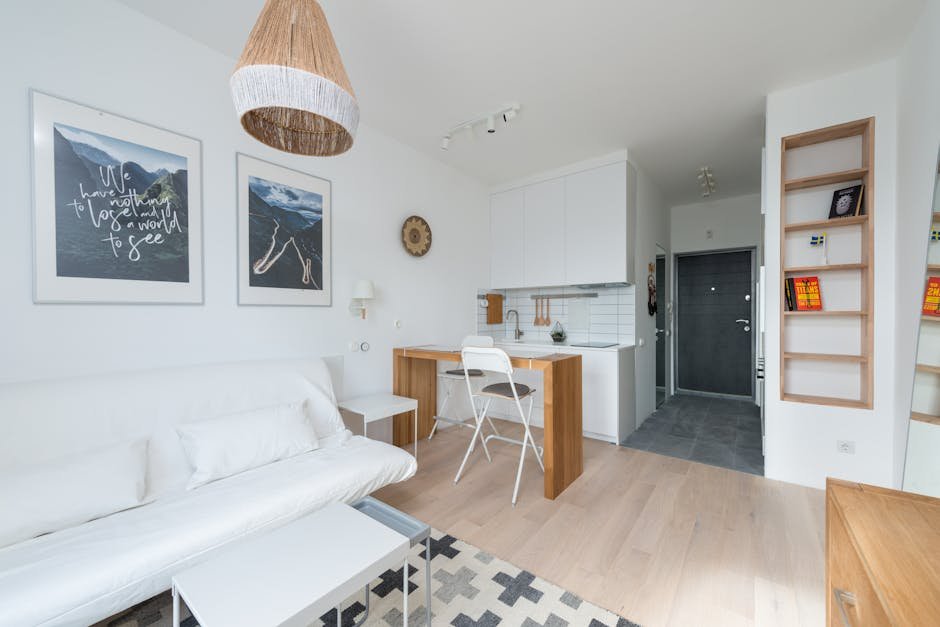
Real-World Example: The Sofa Bed
A friend of mine transformed her compact living area by swapping out a traditional sofa for a stylish sofa bed. Not only did it save space, but it also provided her with the flexibility to accommodate guests. This change allowed her to use the room more effectively, enhancing both style and practicality.
Prioritizing Vertical Space
In small living rooms, floor space is often at a premium, making vertical space your best friend. Utilize wall-mounted shelves, tall bookshelves, or even floating cabinets to draw the eye upward. This approach creates the illusion of height while providing essential storage and display options. You can also hang artwork or mirrors above furniture to add depth and dimension to your room. A well-placed mirror can reflect light, making the space feel larger and more inviting.
Actionable Recommendation: DIY Wall Shelves
If you’re handy, consider building your own wall shelves. Not only is this a cost-effective solution, but it also allows you to customize the size and style to fit your specific needs. With a bit of paint and some brackets, you can create stylish storage that enhances your room's aesthetic.
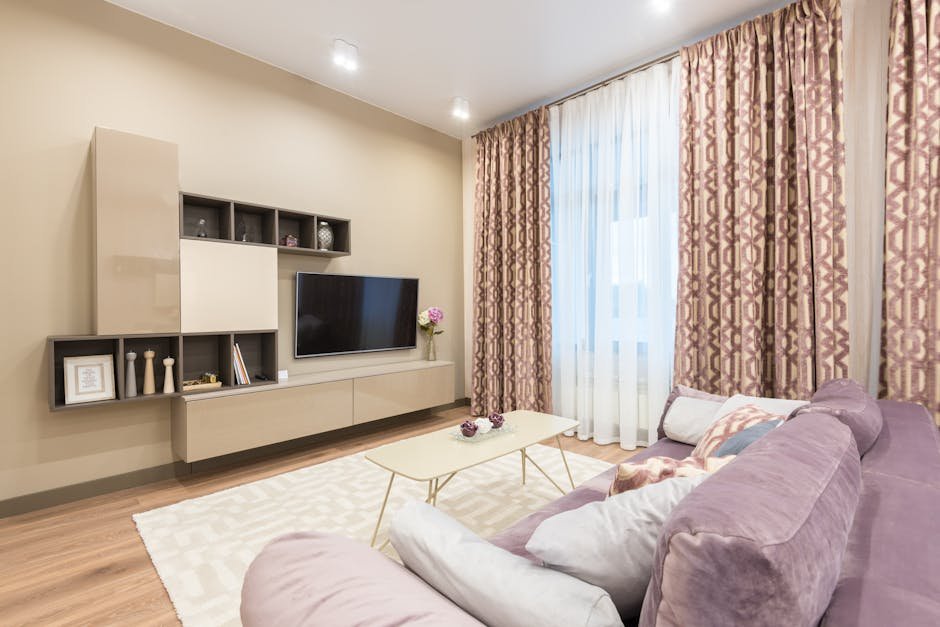
Color Choices that Expand Perception
The colors you choose can significantly affect how spacious your living room feels. Light colors such as soft whites, pale grays, and pastel shades can create the illusion of more space. On the other hand, darker colors can make a room feel closed in. If you love bold hues, consider using them as accents rather than the primary color. For instance, a deep blue accent wall can add drama while keeping the rest of the space light and airy.
Establishing a Color Palette
A popular method in interior design is the 60-30-10 rule, which suggests using 60% of a neutral color, 30% of a secondary color, and 10% of an accent color. Apply this to your small living room to maintain balance and harmony. For example, a light beige sofa (60%), teal throw pillows (30%), and a mustard yellow vase (10%) can create a cohesive yet dynamic look.
Accessorizing with Intention
Accessories can make or break the aesthetic of your living room, especially when working within a limited budget. Instead of filling the room with random decor, choose a few intentional pieces that reflect your personality. A large piece of art can serve as a focal point, while carefully curated accessories like books, plants, or unique finds can add character without cluttering the space. In practice, this means being selective about what you display, ensuring each item adds value to the overall design.
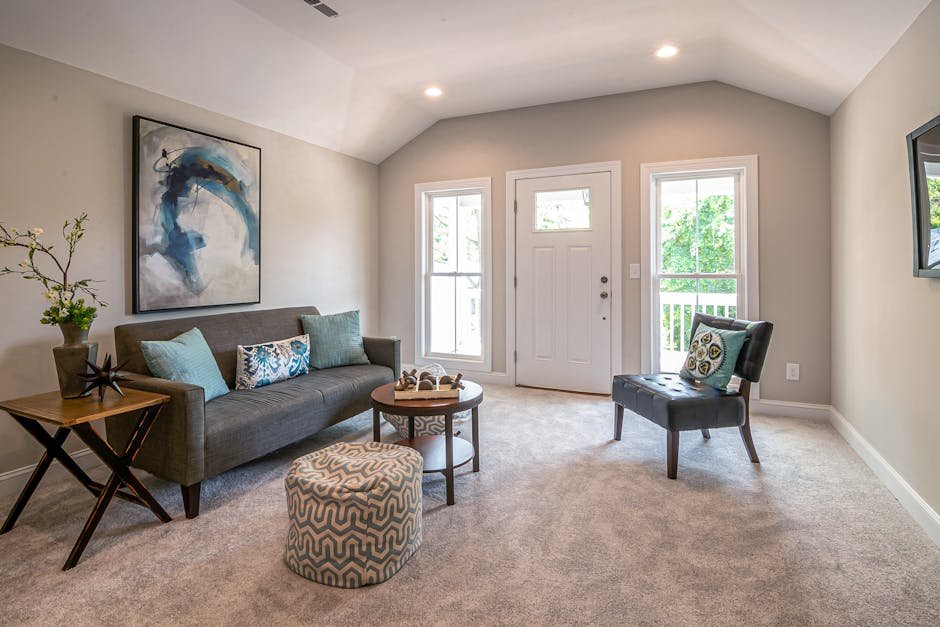
Limitation Acknowledgement
While accessories can enhance your living space, it's important to remember that too many can lead to visual chaos, particularly in small rooms. Be mindful not to overcrowd surfaces, and regularly reassess your displays to maintain a clean and inviting environment.
Frequently Asked Questions
Consider stores like IKEA, Target, and thrift shops, which often carry stylish yet affordable pieces. Online marketplaces like Facebook Marketplace or Craigslist can also be treasure troves for secondhand finds.
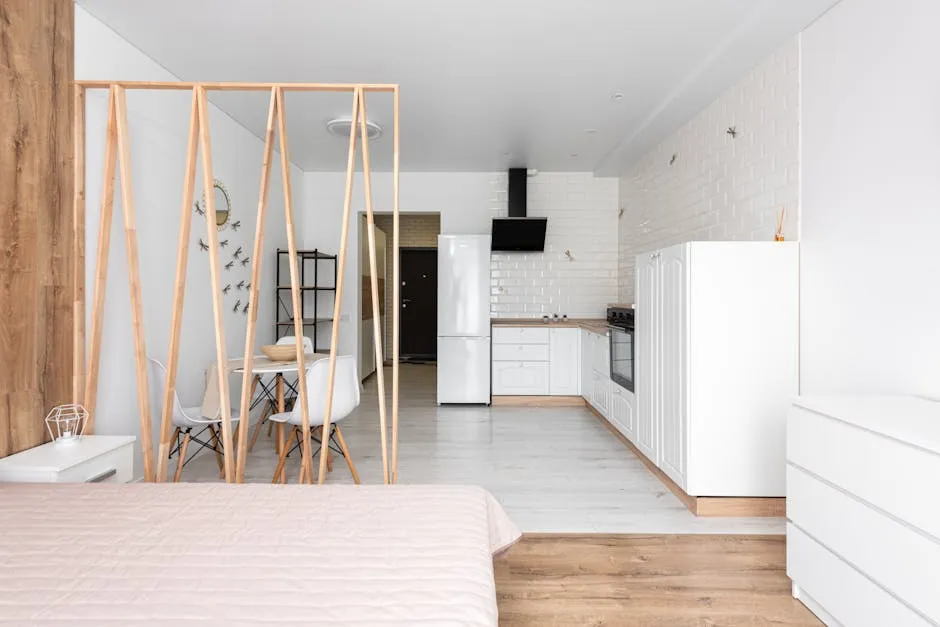
Incorporate textiles such as soft throws, plush rugs, and comfortable cushions. Layering different textures can add warmth and depth to your space. Comfortable sofa with cushions placed in front of TV in modern studio apartment with kitchen and dining zones
Start by creating a focal point, such as a TV or a fireplace, then arrange seating to encourage conversation. Avoid pushing all furniture against the walls, as this can make the space feel disconnected.
Yes! Low-maintenance plants like snake plants or pothos can thrive in small spaces and purify the air, adding a touch of greenery without overwhelming the room.
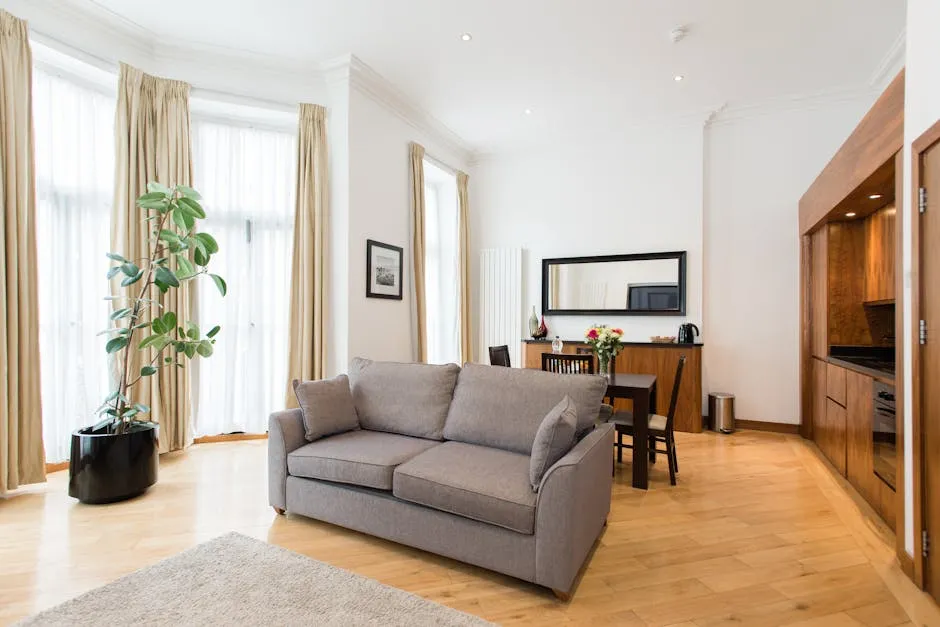
Utilize storage solutions like baskets, ottomans with hidden storage, and wall shelves. Regular decluttering is key to maintaining an organized and functional space. Bright living room interior with modern furnishings and cozy atmosphere, featuring a gray sofa and indoor plants.