
Understanding the Challenge of Small Spaces
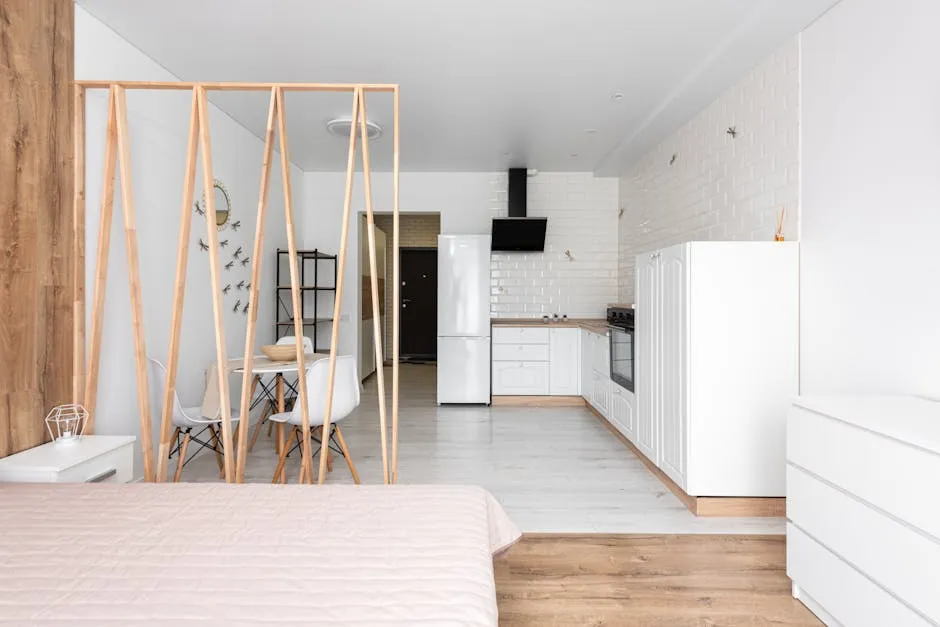
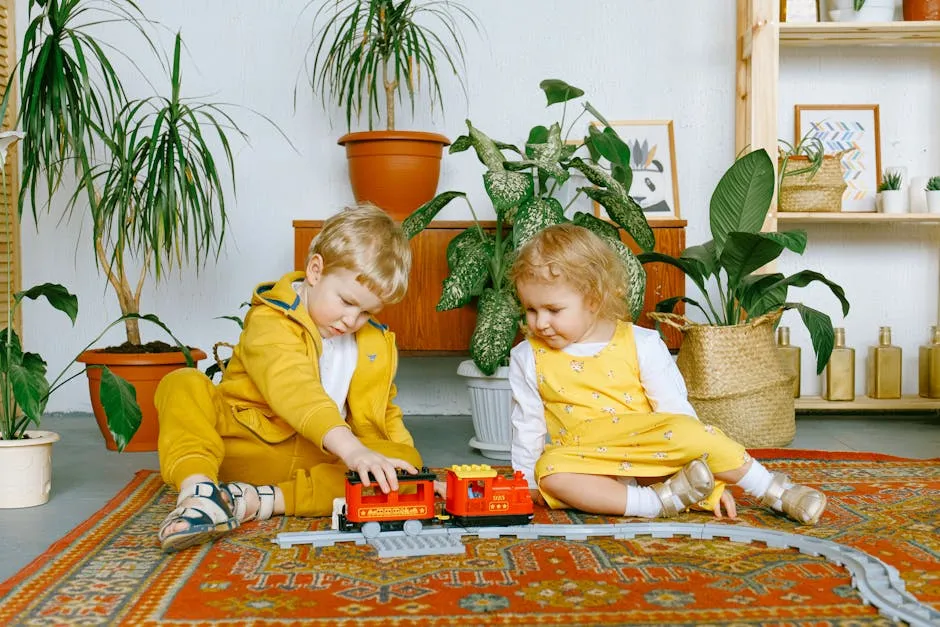
Small living rooms often come with the unyielding challenge of balancing aesthetics and functionality. Parents frequently find themselves at a crossroads: how to create a dedicated play area for their children without overwhelming the existing living space. A cramped room can easily feel cluttered, especially when toys and games invade the common areas. The key lies in strategic planning and creative solutions, ensuring that the space remains vibrant and inviting for both kids and adults.

Budget Breakdown: What to Expect
Establishing a budget is critical when transforming a small living room into a kids' play area. Costs can vary widely based on the choices made, but a general breakdown can help guide your decisions:
| Item | Estimated Cost |
|---|---|
| Storage Solutions | $50 - $200 |
| Play Furniture | $100 - $300 |
| Decorative Elements | $50 - $150 |
| Safety Features | $30 - $100 |
| Wall Art and Accessories | $30 - $100 |
This budgetary framework allows you to assess what you can afford while prioritizing essential items. For instance, investing in multifunctional storage can save space and keep the area tidy. It’s often wise to allocate a larger portion of your budget to durable play furniture that can withstand the rigors of daily use.
Prioritizing Essential Elements
When designing a play area, identifying what to prioritize is paramount. Safety should always come first, especially for younger children. This might involve using soft play mats or corner protectors. Next, consider storage solutions. Open shelves and bins encourage kids to tidy up after playtime while keeping toys accessible. Furthermore, integrating a small table and chairs fosters creativity, allowing children to engage in crafts or games comfortably.
Given the limited space, think vertically. Wall-mounted shelves or pegboards can serve as both storage and display areas for toys. This not only saves floor space but also allows children to showcase their favorite items, adding a personal touch to the room.
Creative Solutions for a Playful Atmosphere
To truly enhance the magical feel of a kids' play area, creativity is key. One effective solution is to incorporate a theme that resonates with your child’s interests—whether it’s a jungle safari or outer space. Paint an accent wall in a vibrant color or add removable wall decals for a playful touch without committing to permanent changes.
Consider utilizing furniture that doubles as play equipment. For example, a sturdy ottoman can serve as a seat or a place to store toys, while also functioning as a makeshift table for activities. Moreover, a pop-up tent or playhouse can provide a cozy nook for imaginative play without taking up significant space.
What to Skip: Avoiding Overcrowding
In the pursuit of creating a magical play area, it’s easy to become overwhelmed and over-purchase. Avoid overcrowding by resisting the urge to fill every inch of the space with toys and decor. Instead, focus on a few key pieces that can serve multiple functions. For instance, a low bookshelf can store both books and toys, while a comfortable bean bag can be used for seating and lounging.
Moreover, be mindful of the scale of items you choose. Oversized furniture can dwarf a small room, making it feel even more cramped. Opt for smaller, lightweight pieces that can be easily moved around as needed. Periodically reassess the items in the play area to remove those that are no longer used or needed, keeping the space fresh and functional.
Frequently Asked Questions
Implement a daily clean-up routine with your children. Designate specific storage bins for different types of toys, making it easier to put things away quickly.
Yes, ensure that any furniture is anchored to the wall to prevent tipping. Use soft, non-toxic materials for play items, and keep small objects out of reach of younger children.
Choose toys that encourage imaginative play and are easy to store, such as building blocks, art supplies, and puzzles. Additionally, consider toys that can be played with in multiple ways.
Absolutely! Choose color schemes and styles that match your current living room decor. This can be achieved with coordinated storage solutions and themed decor elements.
Regularly assess the play area every few months. Rotate toys and update decor to keep the space engaging and to prevent clutter from accumulating.