
In an era where remote work has become the norm, the challenge of adapting a small living room for both productivity and unwinding is more pressing than ever. Many individuals find themselves in a daily struggle, attempting to carve out a workspace amidst their home’s limited square footage while still maintaining a comfortable area for relaxation. This duality often leads to frustration, as the same space is expected to serve multiple functions—work, leisure, socialization—all without compromising on comfort or style.

Assessing Your Space: Understanding Limitations and Possibilities
Before diving into a redesign, it’s critical to take a step back and evaluate your living room's dimensions, layout, and existing furnishings. Start by measuring the room and listing any fixed elements such as windows, doors, and heating vents that cannot be moved. This will give you a clearer picture of your limitations.
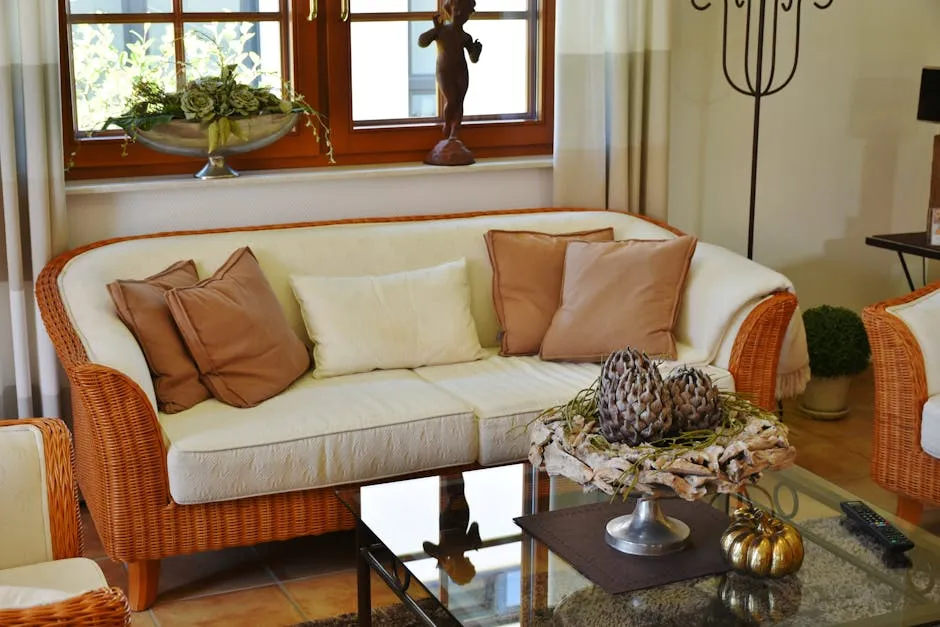
In practice, many people overlook how much their existing furniture can dictate the flow of a room. For instance, if a bulky sofa occupies the central area, it may block pathways and make the space feel even smaller. Consider whether you can replace oversized pieces with more compact alternatives. A loveseat or sectional can often provide the same seating while allowing for better flow.
Creating Distinct Zones: The Art of Functionality
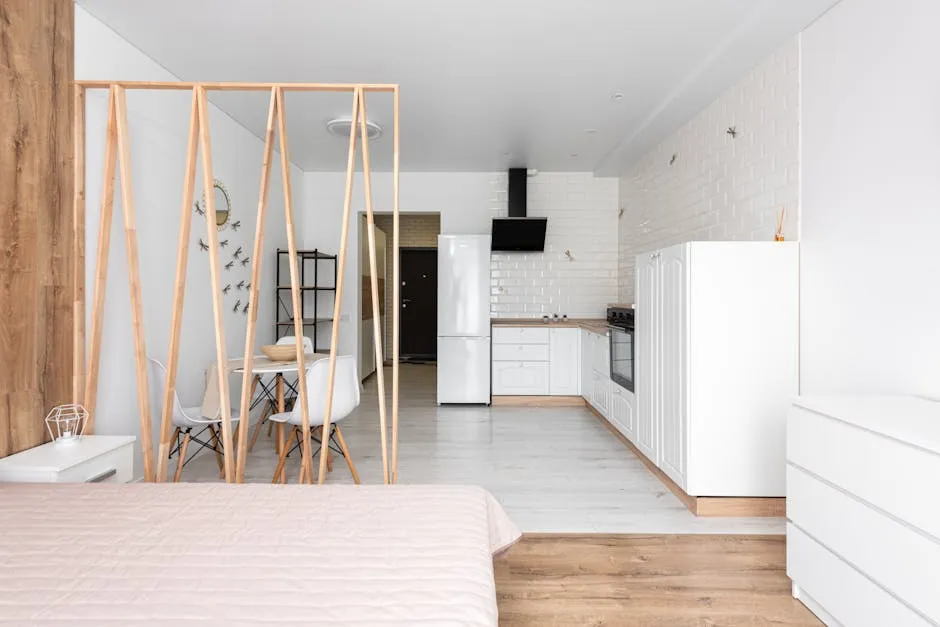
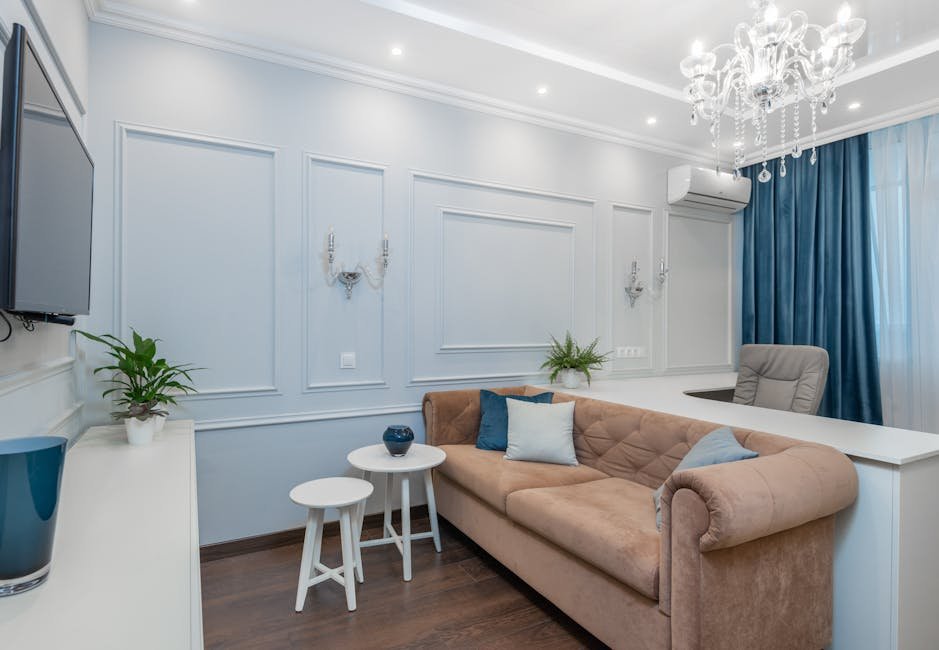
To effectively transform your small living room, creating distinct zones for work and relaxation is essential. This doesn’t have to mean building physical barriers; instead, utilize furniture placement and decor to define areas. For example, position a desk in a corner to take advantage of natural light without obstructing the main social area.
Using rugs can also help delineate spaces. A soft, textured rug under your coffee table or sofa can create a cozy relaxation zone, while a more functional mat under your work desk can provide a visual cue that signals productivity. This method not only organizes your space but also adds a layer of warmth and style.
Choosing Multi-Functional Furniture: Smart Solutions
When it comes to small living rooms, choosing multi-functional furniture can significantly enhance the usability of your space. Look for pieces that serve dual purposes, such as a sofa bed for guests or an ottoman that doubles as storage.
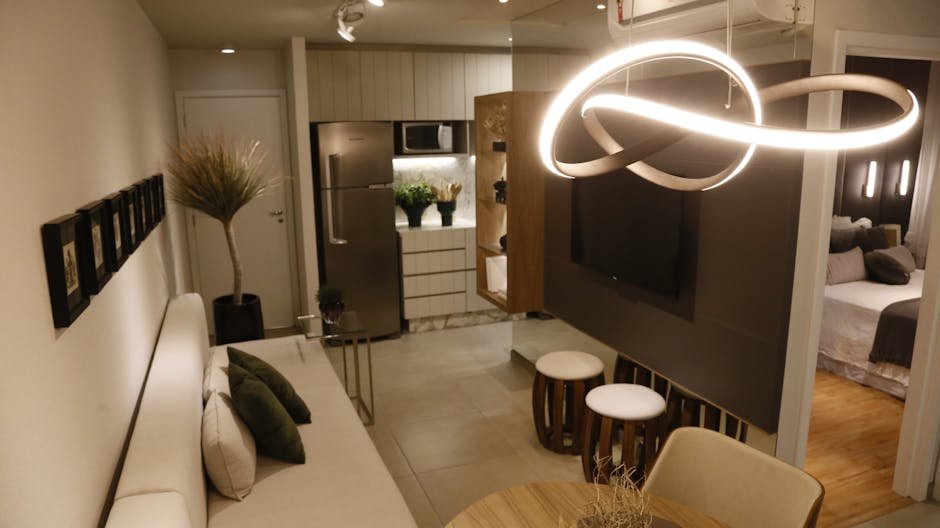
A fold-out desk is another excellent option, allowing you to maintain a clean aesthetic when not in use. In practice, many people find that a wall-mounted drop-leaf table can provide a dedicated workspace without consuming permanent floor space. This approach ensures that when it’s time to relax, you can easily put away your work materials.
Incorporating Technology Wisely: Enhancing Productivity
In our digital age, technology plays a pivotal role in how we work and relax. However, it’s easy for tech to clutter a small living room if not managed properly. Consider investing in cable management solutions to keep wires out of sight, maintaining a clean and organized look.
Additionally, utilizing tools like noise-canceling headphones can help create a focused work environment, even in a bustling household. For those who enjoy a media-centric relaxation space, consider mounting your television to free up floor space and enhance viewing comfort.
Personalizing Your Space: Reflecting Your Style
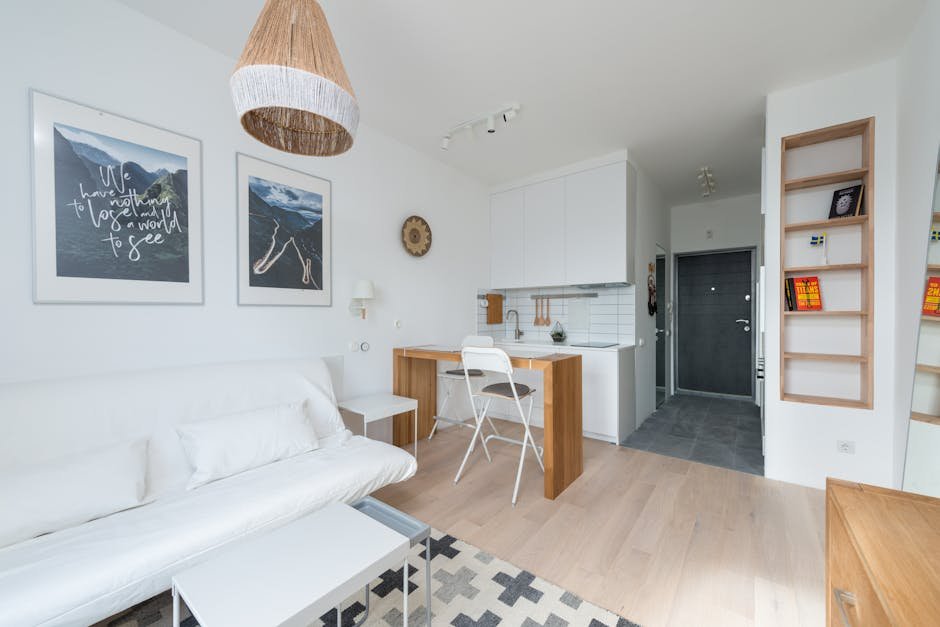
While functionality is crucial, the visual appeal of your small living room shouldn’t be overlooked. Personal touches can make your space feel inviting and uniquely yours. Incorporate artwork, plants, or personal mementos that inspire you, but be careful not to overcrowd surfaces.
One effective strategy is to use vertical space for decor. Floating shelves can showcase your favorite books or decorative items without taking up valuable floor space. This not only adds character but also draws the eye upwards, creating an illusion of height in the room.
Frequently Asked Questions
Use light colors on the walls and furniture to create an airy feel. Mirrors are also effective in reflecting light and creating depth, which can visually expand the space.
Opt for furniture that is proportionate to your space. Lightweight, modular furniture can be rearranged easily to adapt to different needs and occasions.
Yes, use stylish storage solutions to keep your work materials organized. Choose a desk that can be easily tucked away when not in use to maintain a clean appearance.
Incorporate a mix of textures and layers to add interest. Use decorative pillows, throws, and varied materials to create a cozy and inviting atmosphere.
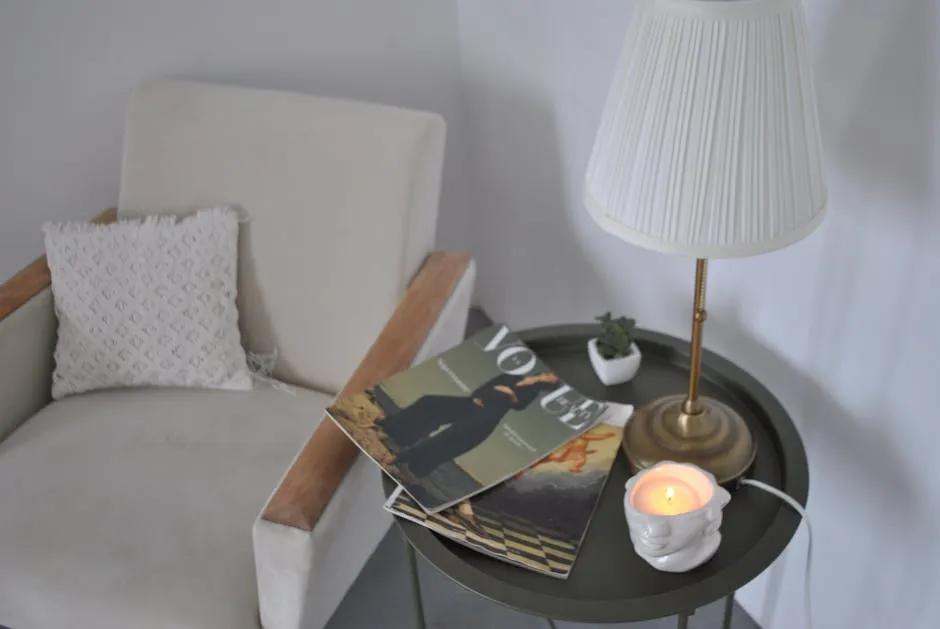
Layer your lighting with ambient, task, and accent options. Use floor lamps and table lamps to create warm pools of light, making the room feel more inviting and spacious.