
A small living room can often feel limiting, but it holds the potential to be a vibrant hub for art and conversation. Imagine hosting friends, surrounded by a carefully curated collection of artwork, while engaging in lively discussions. This transformation is not merely about aesthetics; it’s about creating an environment that fosters creativity and connection. However, the path to achieving this can be fraught with challenges: limited space, conflicting styles, and the need to balance functionality with flair.

Maximizing Wall Space for Art
When it comes to displaying art in a small living room, wall space is your best ally. Vertical surfaces, often overlooked, can be transformed into striking displays. Consider a gallery wall, where a mix of framed prints, photographs, and even three-dimensional art can create a dynamic visual experience.
Using a uniform frame style can lend cohesion to an eclectic collection, while varying the frame sizes adds interest. In practice, a homeowner in a 200-square-foot apartment managed to turn her living room into an art showcase by dedicating one wall to a curated selection of pieces from local artists. This not only supported the community but also made her living space feel unique and personal.
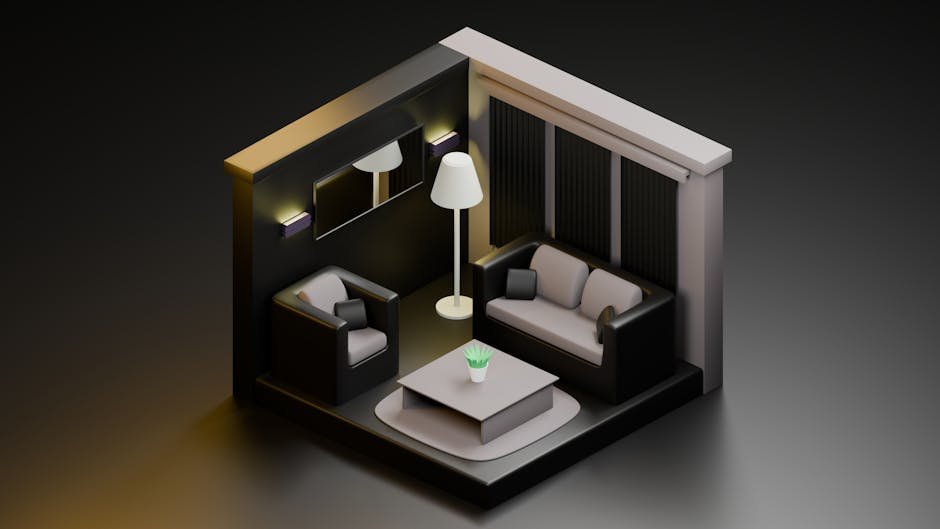
Pros and Cons of Different Display Methods
| Method | Pros | Cons |
|---|---|---|
| Gallery Wall | Highly customizable, personal expression | Can feel cluttered if overdone |
| Single Statement Piece | Focuses attention, elegant | May overpower small space |
| Floating Shelves | Flexible, easy to change | Requires wall space allocation |
Furniture Selection for Conversation
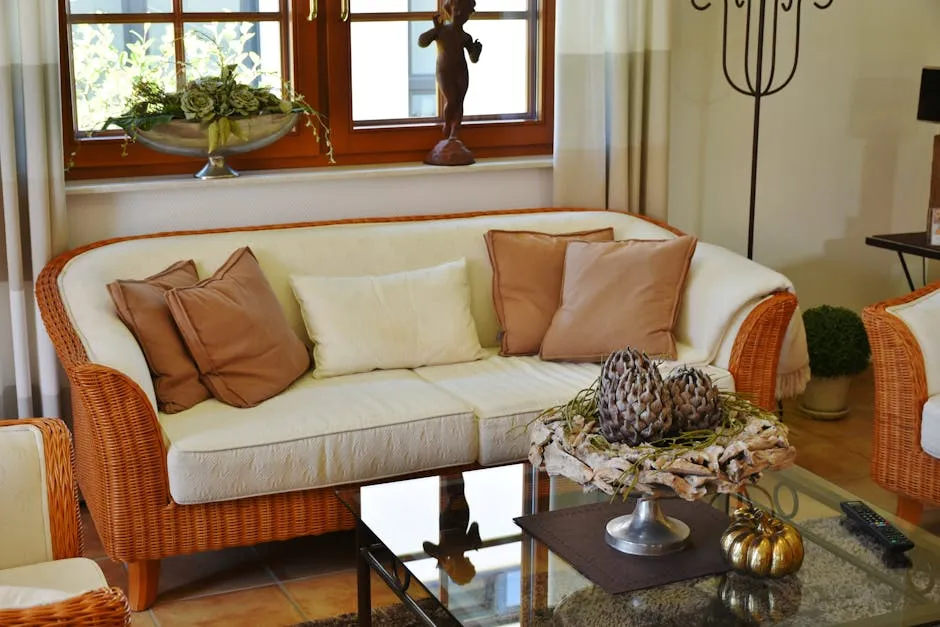
The furniture you choose plays a pivotal role in how well your space serves as a conversational hub. Opt for pieces that invite interaction. A round coffee table encourages discussion, while an L-shaped sectional can create a cozy nook. Materials matter too; soft fabrics can make the space feel more inviting.
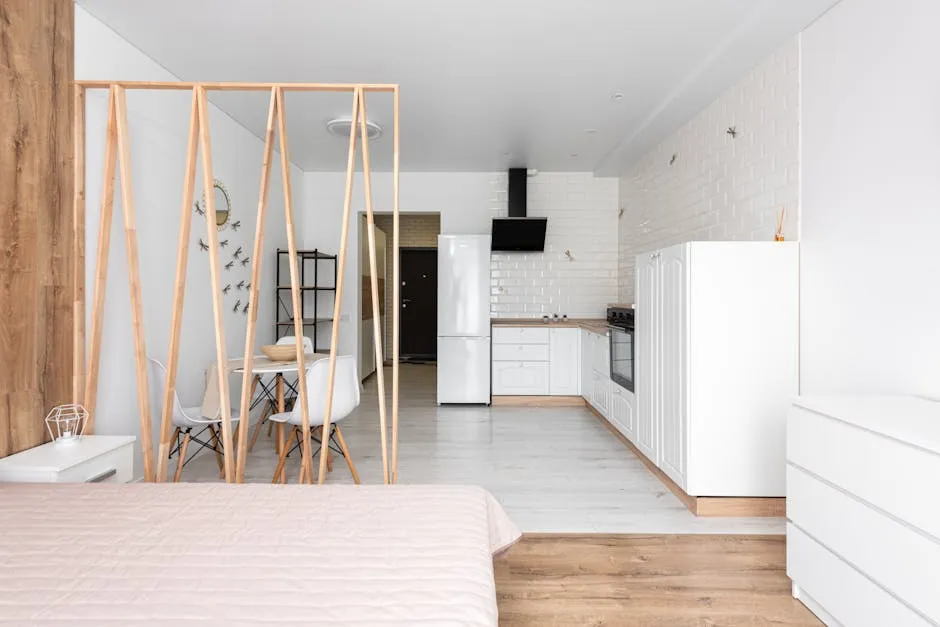
In practice, a long-time interior designer suggests opting for modular furniture, which can be rearranged based on the occasion. For instance, a couple may use a sectional on movie nights but rearrange it into a more open layout when entertaining guests. This versatility is key in small spaces where flexibility is essential.
Evaluating Options
- Modular Furniture: Customizable for different occasions, ideal for small spaces.
- Round Tables: Facilitate easier conversation flow.
- Multi-Functional Pieces: Ottomans that double as storage reduce clutter.
Color Schemes and Lighting
Color can dramatically affect the perception of space. Lighter tones generally make a room feel larger and more open. However, incorporating bold colors can create focal points that draw the eye, adding depth and interest. The trick lies in balance. For instance, a bright accent wall paired with neutral furniture can create a lively yet harmonious environment.
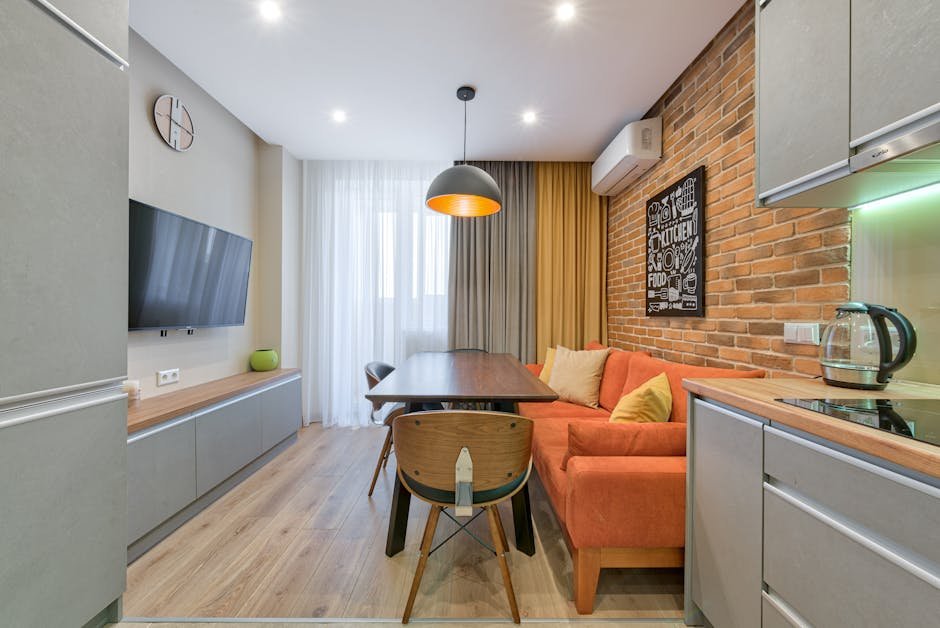
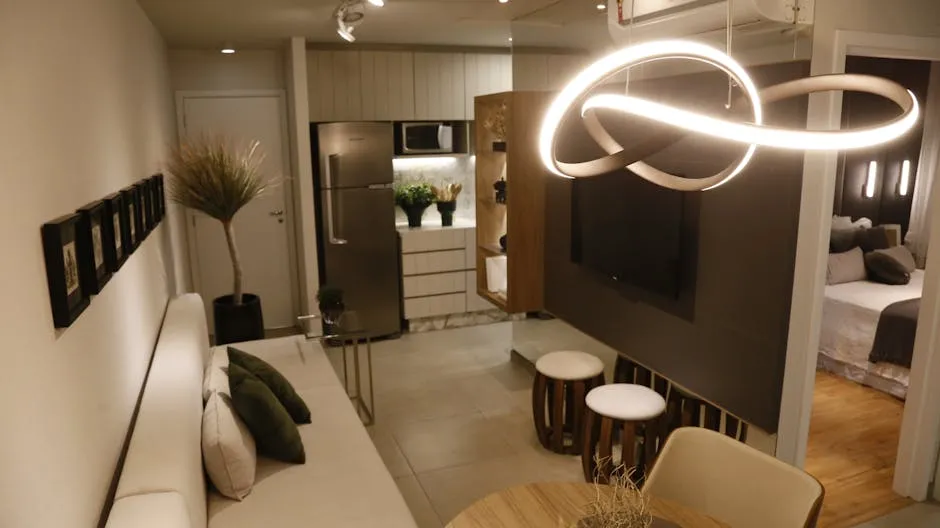
Lighting is another critical component. A combination of ambient, task, and accent lighting can enhance both art displays and conversational areas. Pendant lights over a coffee table or wall sconces highlighting artwork can transform the atmosphere. An established principle in interior design is the 70-20-10 rule, suggesting that 70% of your color should be neutral, 20% should be a secondary color, and 10% should be an accent color. This can guide your color choices effectively.
Limitations of Color and Lighting Choices
While lighter colors can open up a space, they may not suit everyone's taste. Similarly, while bold colors create drama, they can make a room feel smaller if overused. Lighting also has its challenges; too much ambient light can wash out art pieces, while insufficient task lighting makes conversation areas less inviting.
Art as a Conversation Starter
Art is not just decoration; it’s an invitation to engage. Pieces that tell a story or evoke emotion can serve as conversation starters. When choosing art, consider pieces that resonate with you or your guests—this could range from abstract paintings that inspire discussion to photographs that evoke nostalgia.
In practice, a small living room featuring a mix of local art and personal photographs can create a rich tapestry of stories and memories. A homeowner decided to rotate art seasonally, keeping the space fresh and continually sparking new topics of conversation. This approach not only keeps the living room dynamic but can also invite guests to participate in the art selection process, further engaging them.
Choosing Art Wisely
- Local Artists: Support community talent while adding unique pieces.
- Personal Photos: Infuse personal history into your art selection.
- Interactive Art: Consider pieces that allow viewer interaction, inviting guests to engage more deeply.
Creating a Cohesive Design Aesthetic
The final touch in transforming your small living room into a chic hub lies in cohesion. Each element—furniture, art, color scheme—should speak to a unified theme. Whether you prefer a modern minimalist style or a bohemian eclectic vibe, consistency is crucial. This does not mean everything must match perfectly; rather, elements should complement each other.
From an expert's perspective, establishing a design mood board can help visualize how different elements will work together. This practice allows you to experiment with various combinations before committing to a particular look. For example, a chic mid-century modern style can be achieved with simple lines, natural materials, and a select color palette that ties everything together.
When Cohesion Doesn't Work
A cohesive aesthetic can feel stifling if not executed thoughtfully. Overly rigid adherence to a theme can lead to a space that feels lifeless. Likewise, while eclectic styles can be vibrant, they can quickly become chaotic without a unifying element.