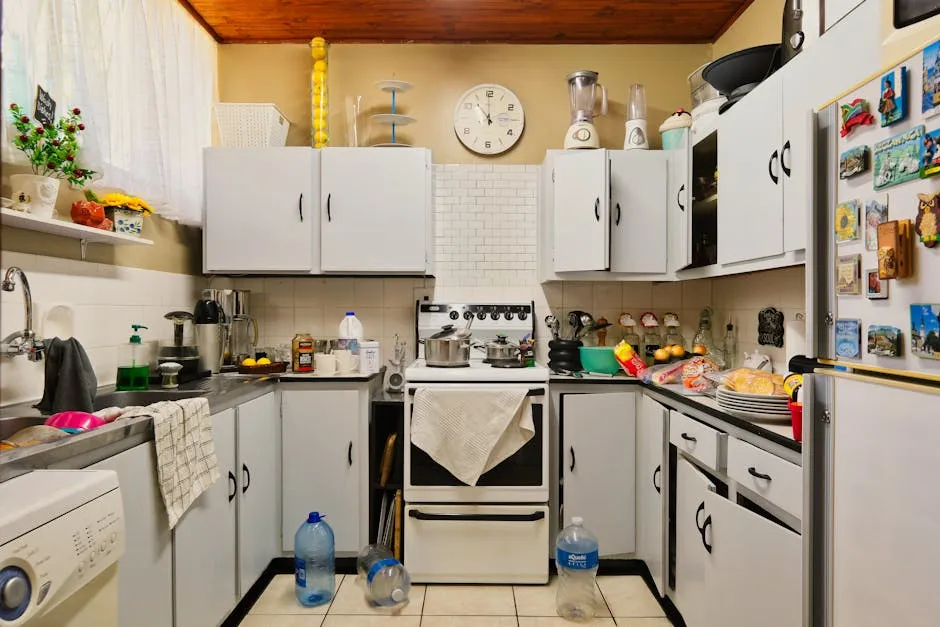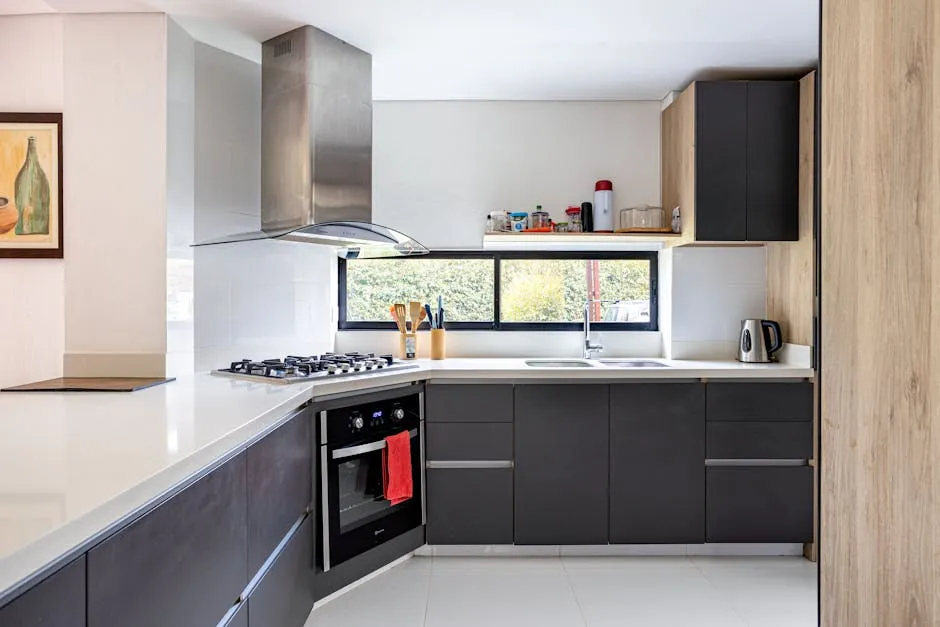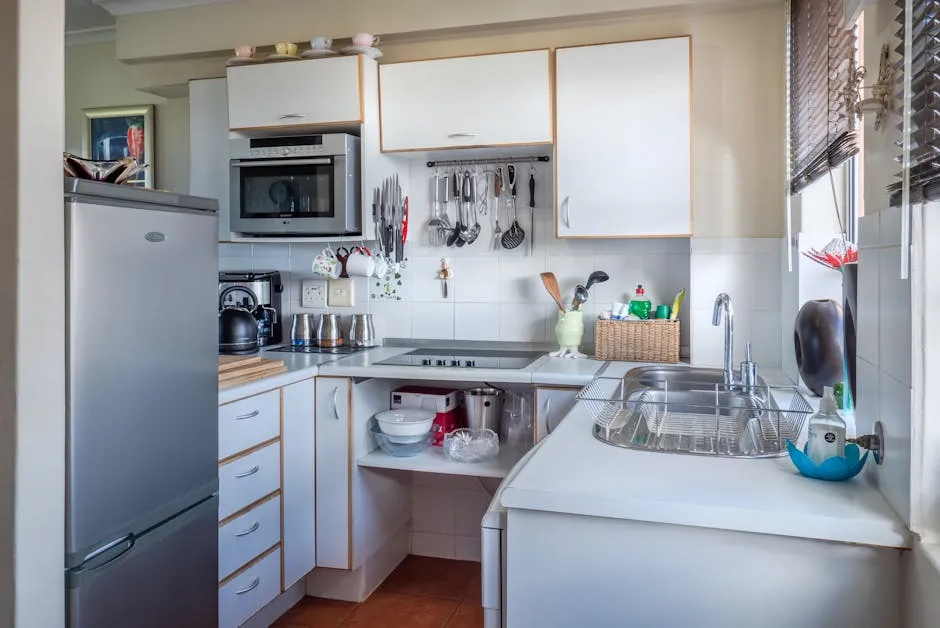

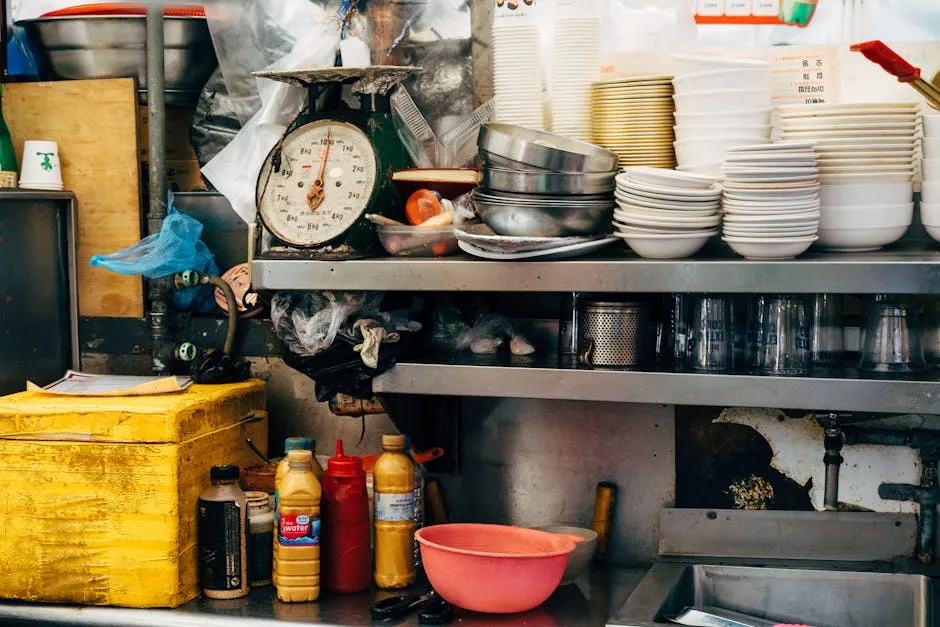
Every chef, whether amateur or professional, has encountered the frustration of a cluttered kitchen. It's the space where creativity meets chaos, and when disorganization creeps in, it can stifle both efficiency and inspiration. Have you ever found yourself frantically searching for that elusive spice while dinner preparations hang in the balance? The truth is, common kitchen clutter mistakes can lead to significant workflow disruptions, costing you time and, often, the joy of cooking.
Identifying the Clutter Culprits
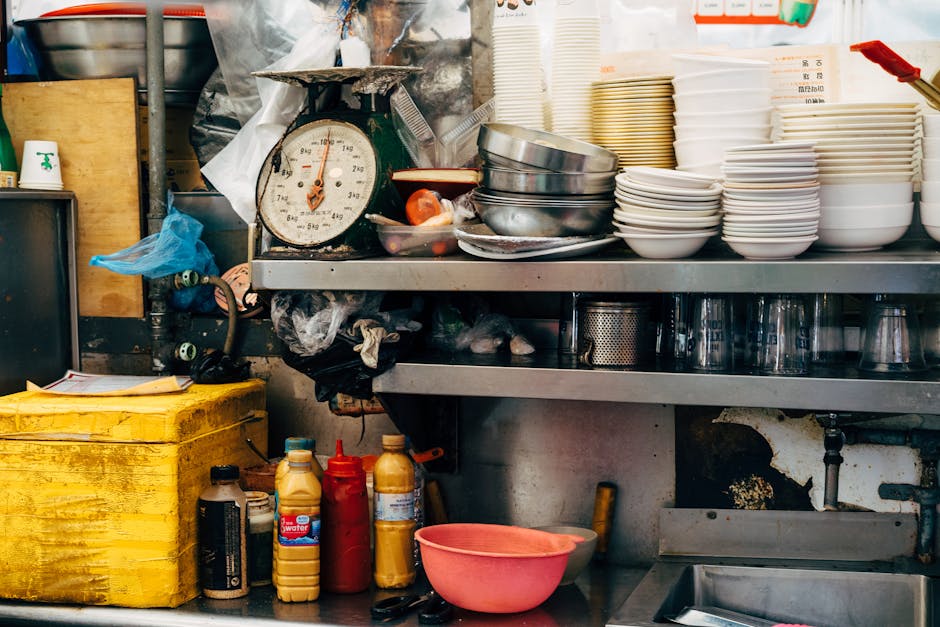
The first step in combating kitchen clutter is recognizing its sources. Many kitchens suffer from a few prevalent issues:
- Overstocked Cabinets: It's easy to accumulate gadgets and ingredients over time, leading to overcrowded cabinets that make finding essentials a daunting task.
- Poor Layout: A kitchen designed without workflow in mind can lead to unnecessary movement and delays.
- Underutilization of Vertical Space: Many kitchens fail to take advantage of wall space, leaving valuable real estate unused.
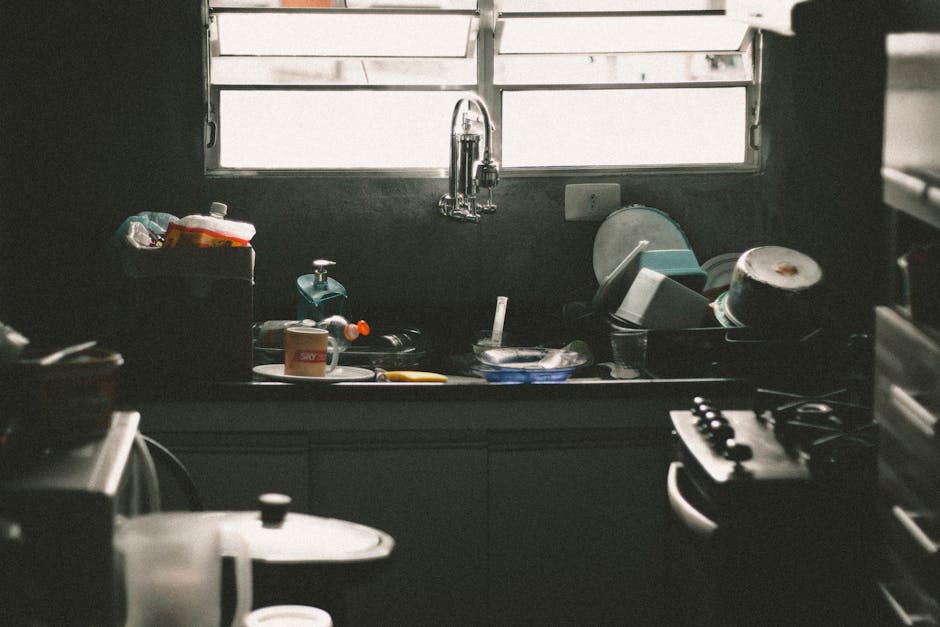
In practice, a simple audit of your kitchen can reveal hidden clutter. Open each cabinet, drawer, and pantry shelf to assess what you actually use versus what collects dust. You might be surprised by how much you can let go.
Prioritizing Organization with Cost-Effective Solutions
Once you've identified the clutter culprits, the next step is to prioritize which areas to tackle first based on both impact and budget. Here’s where you can allocate your resources wisely:
1. Decluttering and Letting Go
Start by removing items that you haven’t used in the past year. This includes gadgets, appliances, and utensils. If you find that a tool hasn’t enhanced your cooking experience, consider donating it. This decluttering phase is essential for creating a functional kitchen.
2. Investing in Smart Storage Solutions
For the items you choose to keep, consider investing in smart storage solutions that promote accessibility:
- Pull-Out Shelves: These can transform deep cabinets into easily accessible spaces, allowing you to see everything at a glance.
- Magnetic Strips: Perfect for spices and knives, magnetic strips can clear counter space while keeping your essentials within reach.
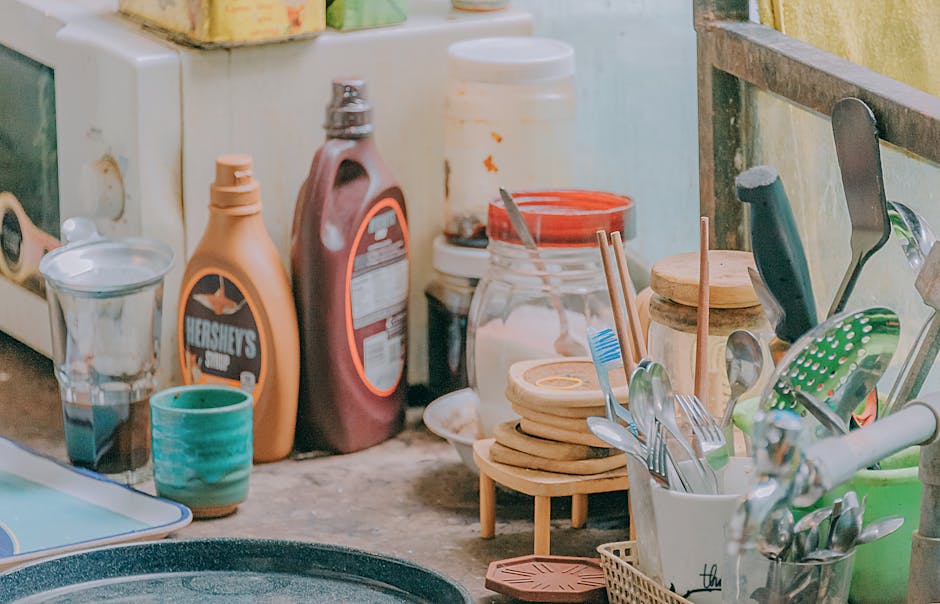
- Clear Containers: Use these for pantry staples to reduce visual clutter and make it easier to see what you have.
Cost ranges for these solutions can vary widely. For instance, pull-out shelves may range from $50 to $200 each, while magnetic strips can be found for as little as $10. Prioritize based on what will make the most significant difference in your daily workflow.
Understanding the Workflow Triangle
The kitchen work triangle concept is a widely recognized principle that can enhance your cooking efficiency. This framework emphasizes the importance of the relationship between the stove, refrigerator, and sink. Ideally, these three points should form a triangle to minimize movement.
To implement this, consider the following:
- Ensure that each of these points is easily accessible without obstructions.
- Keep frequently used items within this triangle to reduce unnecessary trips.
When you design your kitchen workflow around this triangle, you not only save time but also create a more enjoyable cooking experience.
Creating Zones for Different Activities
Another effective strategy for managing kitchen clutter is the creation of designated zones for different cooking activities. This method allows you to streamline your workflow and keep similar items together. Here’s how to set it up:
1. Prep Zone
Gather all your cutting boards, knives, and mixing bowls in one area. This zone should be close to the sink and refrigerator for easy access to ingredients.
2. Cooking Zone
Keep your pots, pans, and utensils within arm’s reach of your stove. Consider installing a pot rack to free up cabinet space.
3. Serving Zone
Designate an area for serving dishes and utensils, ideally near the dining space. This keeps everything you need for serving organized and accessible.
By clearly defining these zones, you can reduce the time spent searching for tools and ingredients, making for a smoother cooking experience.
When to Skip the Latest Trends
While it might be tempting to jump on the latest kitchen organization trends, not every idea will suit your space or needs. For instance, open shelving has become popular, but it may not be practical for every kitchen. Dust accumulation and the need to keep items visually appealing can add stress rather than alleviate it.
Instead, focus on organization strategies that align with your cooking habits. If you cook frequently, skip the decorative jars and invest in functional storage that enhances your workflow.
Frequently Asked Questions
Evaluate each gadget based on usage. If you haven't used it in a year, consider donating or selling it. Focus on tools that directly enhance your cooking efficiency.
Utilize vertical space with shelves, hooks, and pot racks. Consider multi-functional furniture such as kitchen islands with storage. Every inch counts.
Look for inexpensive options like clear bins, drawer organizers, and over-the-door racks. Many effective solutions can be found at your local dollar store or online.
While the triangle method is effective, it may not apply to every kitchen layout. In L-shaped or galley kitchens, modifications may be necessary to create an efficient workflow.
Every six months is a good rule of thumb. Regularly evaluate your kitchen to ensure it continues to meet your cooking needs, especially if your habits change.