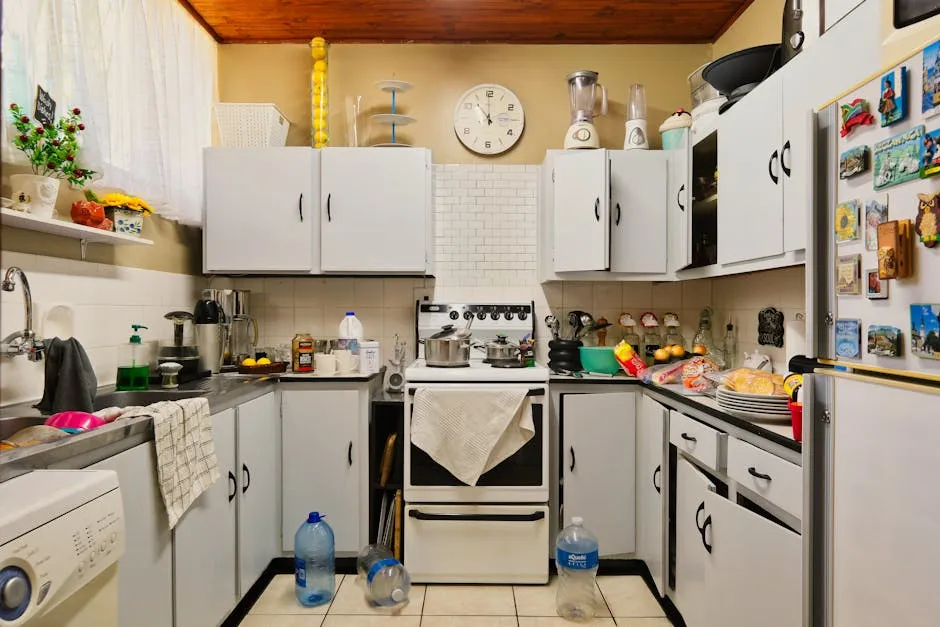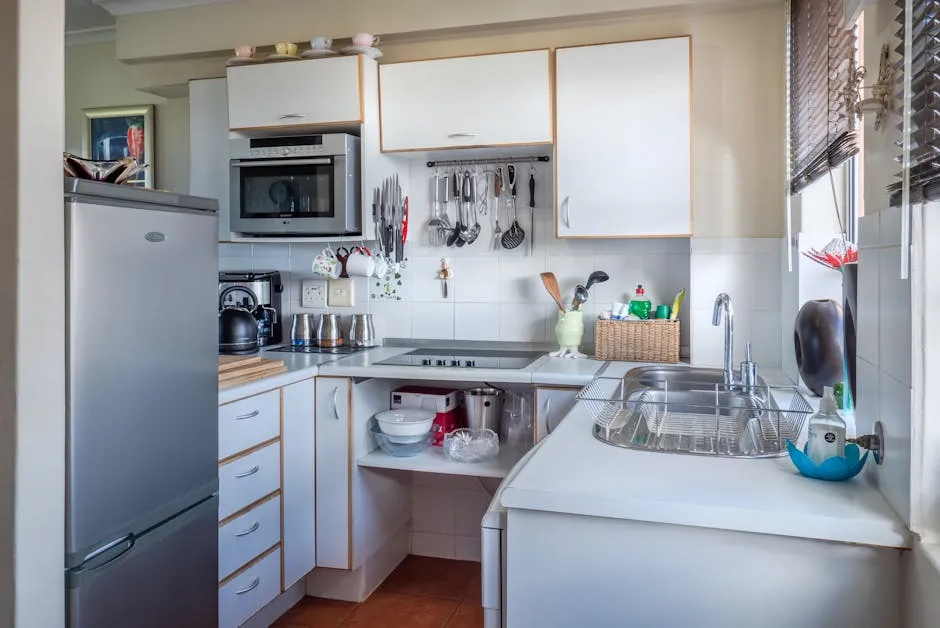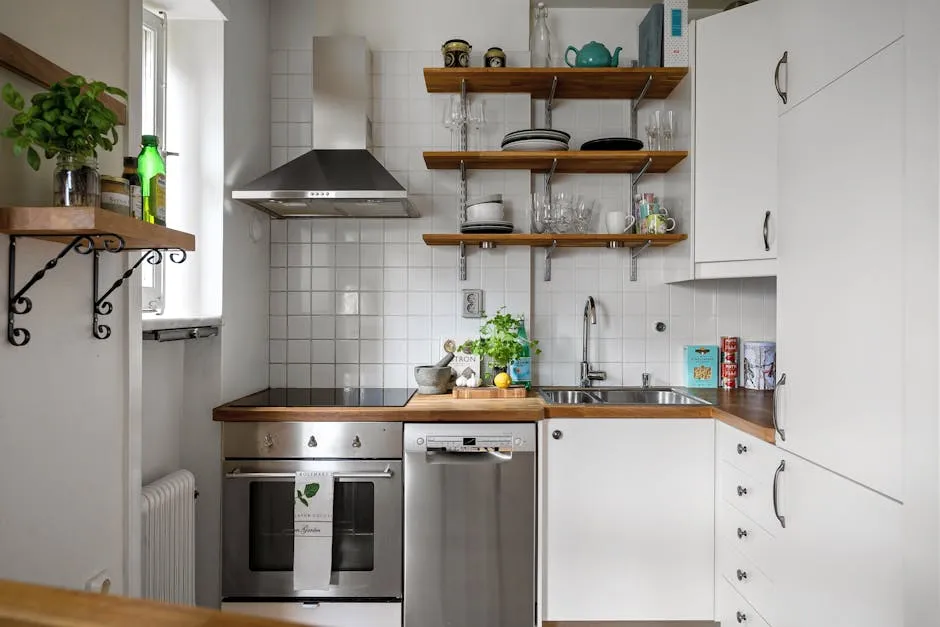

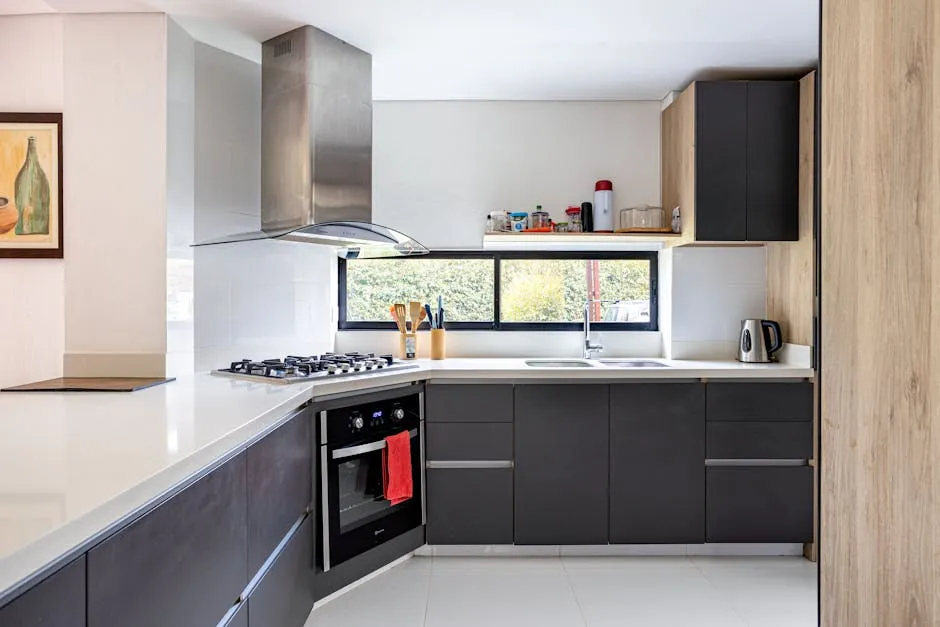
Awkward kitchen angles can often lead to frustration, especially when trying to navigate your culinary endeavors. When space is limited, these angles can feel more like obstacles than opportunities. However, with strategic planning and a keen eye for design, you can turn these challenging spaces into efficient cooking zones that enhance your kitchen's functionality and aesthetic appeal.
Understanding Your Kitchen's Layout
The first step in transforming awkward angles is to thoroughly understand your kitchen's layout. The work triangle concept, which highlights the relationship between the stove, refrigerator, and sink, remains a foundational principle in kitchen design. In practice, optimizing this triangle in a non-linear kitchen layout requires creativity.
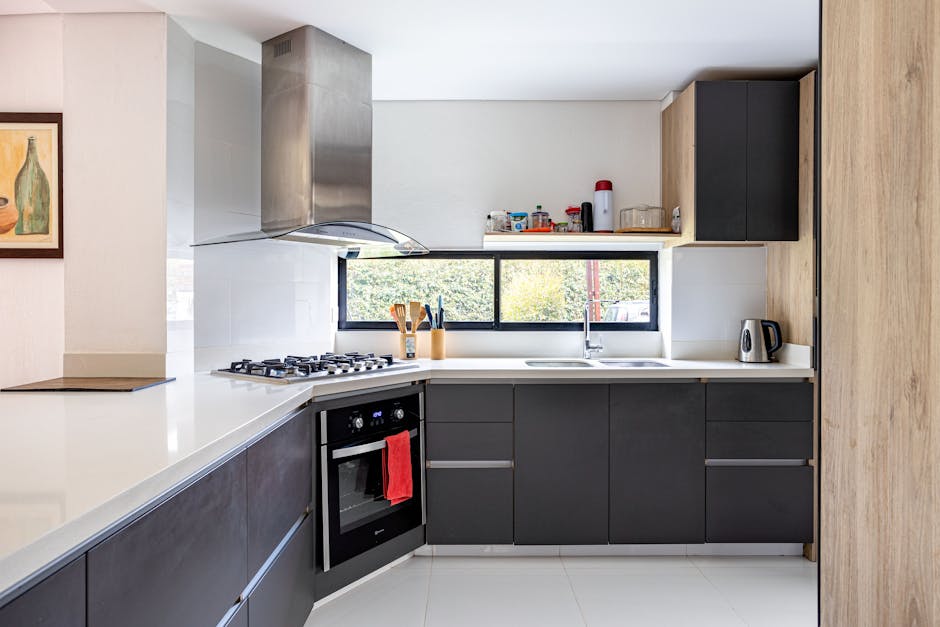
Start by mapping out the current flow of your kitchen. Use a tape measure to get the exact dimensions of your space. Identify where the awkward angles are located and how they disrupt your movement. For instance, if your oven is tucked into a corner, consider whether a different placement could facilitate smoother cooking. The goal is to create a layout that minimizes unnecessary movement and maximizes efficiency.
Prioritizing Key Areas of Your Kitchen
Once you’ve assessed your layout, it’s time to prioritize the areas that require the most attention. Focus on creating efficient zones for cooking, prepping, and cleaning. Each zone should be designed with specific functions in mind, allowing for a seamless workflow.
For example, if you have an L-shaped kitchen with an awkward corner, consider installing a corner cabinet with pull-out shelves. This will not only enhance storage but also make it easier to access pots and pans without requiring you to bend over or reach into the back of the cabinet. Prioritizing these key areas can improve both function and accessibility.
Budget Breakdown: What to Invest In
Transforming your kitchen can be done on a budget, but knowing where to invest is crucial. A typical budget breakdown might include:
| Item | Average Cost | Notes |
|---|---|---|
| Cabinetry (corner storage solutions) | $300 - $800 | Invest in quality materials for durability. |
| Countertops | $50 - $150 per square foot | Choose materials that are both functional and aesthetically pleasing. |
| Lighting fixtures | $100 - $300 | Good lighting enhances both ambiance and functionality. |
| Appliance upgrades | $500 - $2000 | Focus on energy-efficient models. |
When allocating your budget, consider the return on investment. While it can be tempting to splurge on high-end appliances, investing in functional cabinetry or effective lighting solutions may yield more practical benefits in the long run. Remember that the key is to enhance usability without overspending.
Design Solutions for Awkward Angles
Designing around awkward angles requires innovative thinking. One effective solution is to utilize custom cabinetry that fits into the unique angles of your space. For instance, a lazy Susan can be an excellent way to make the most of corner cabinets. This allows for easy access to items that would otherwise be difficult to reach.
Another approach is to integrate open shelving into the awkward spaces. Open shelves can create a lighter feel in the kitchen and provide easy access to frequently used items. If you have an angle that simply cannot accommodate traditional cabinetry, consider floating shelves. They can be installed at various heights to create visual interest while serving a functional purpose.
What to Skip: Avoiding Common Pitfalls
While making design changes, it’s equally important to recognize what to skip. One common pitfall is opting for overly complex designs that may look appealing but do not serve a practical purpose. For example, intricate tile work can quickly become a maintenance nightmare in a busy kitchen.
Additionally, avoid cramming too many appliances into a small area. This can lead to a cluttered workspace and create safety hazards. Instead, focus on the essential appliances that you use regularly. In practice, a well-organized kitchen with fewer, high-quality tools can be more efficient than one filled with rarely used gadgets.
Frequently Asked Questions
To optimize a small kitchen layout, focus on creating distinct zones for cooking, prepping, and cleaning. Use multi-functional furniture and consider vertical storage solutions to maximize space.
Improving lighting can be achieved by adding under-cabinet lights or pendant lights above work areas. These options can enhance both functionality and ambiance without the need for extensive renovations.
Yes, using modular shelving, wall-mounted racks, and over-the-door organizers can significantly enhance storage without requiring a large budget. Look for creative storage solutions that utilize vertical space.
When choosing kitchen appliances, consider energy efficiency, size, and functionality. Ensure that the appliances you select fit your cooking habits and the available space without overcrowding your kitchen.
Absolutely! Focus on small changes like re-grouting tiles, painting cabinets, or adding new hardware. These updates can refresh your kitchen's look without requiring a complete overhaul.