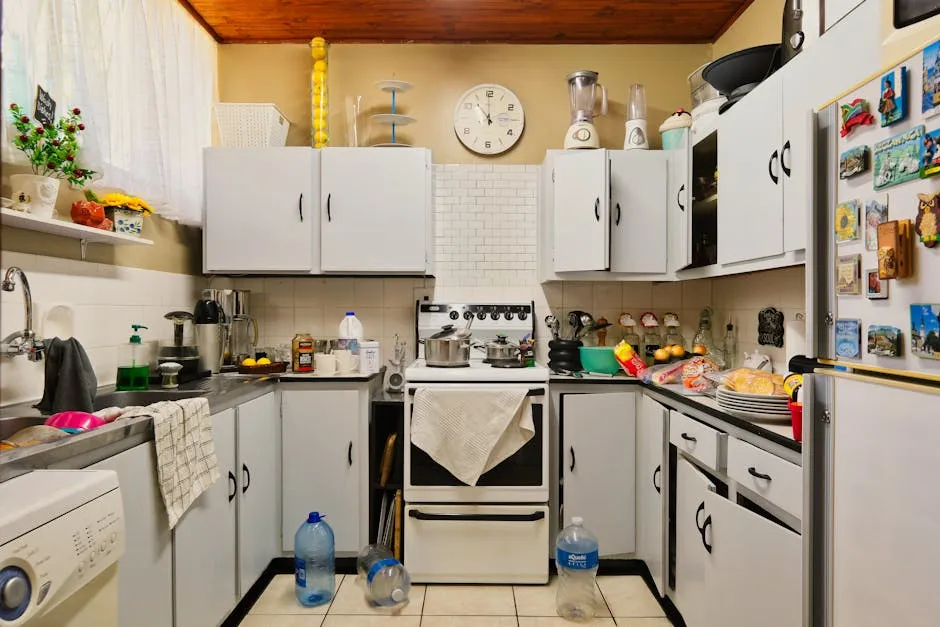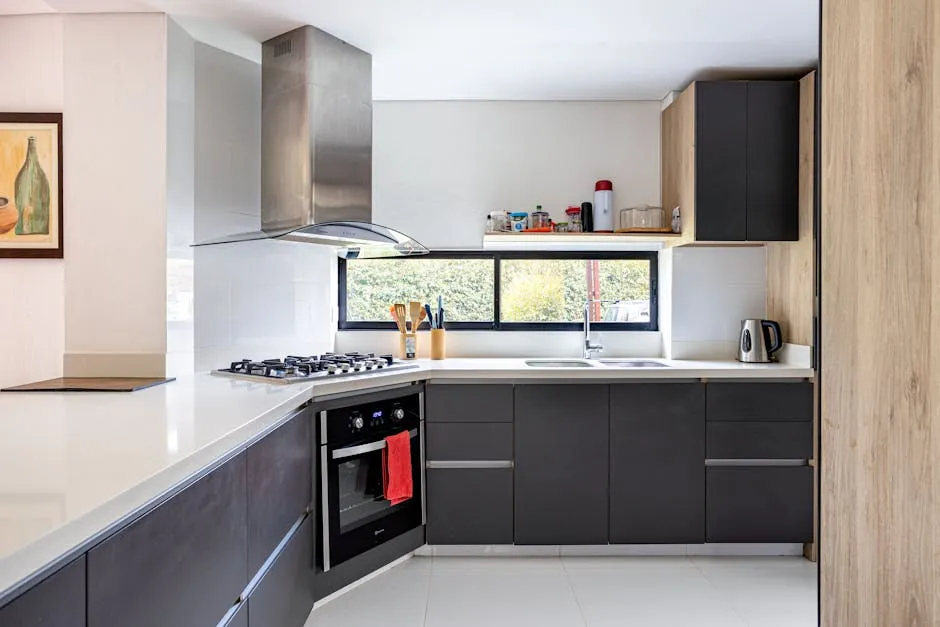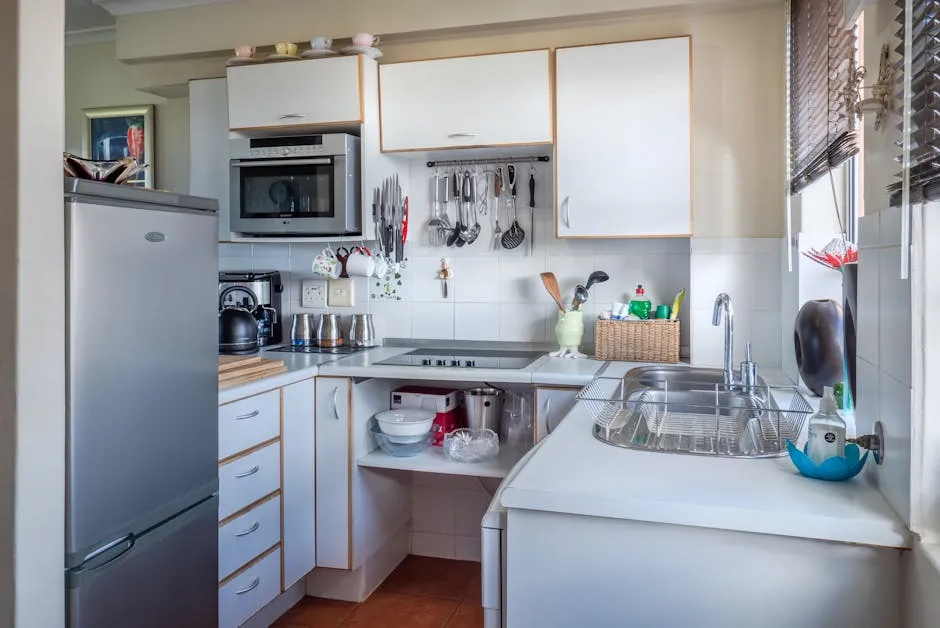

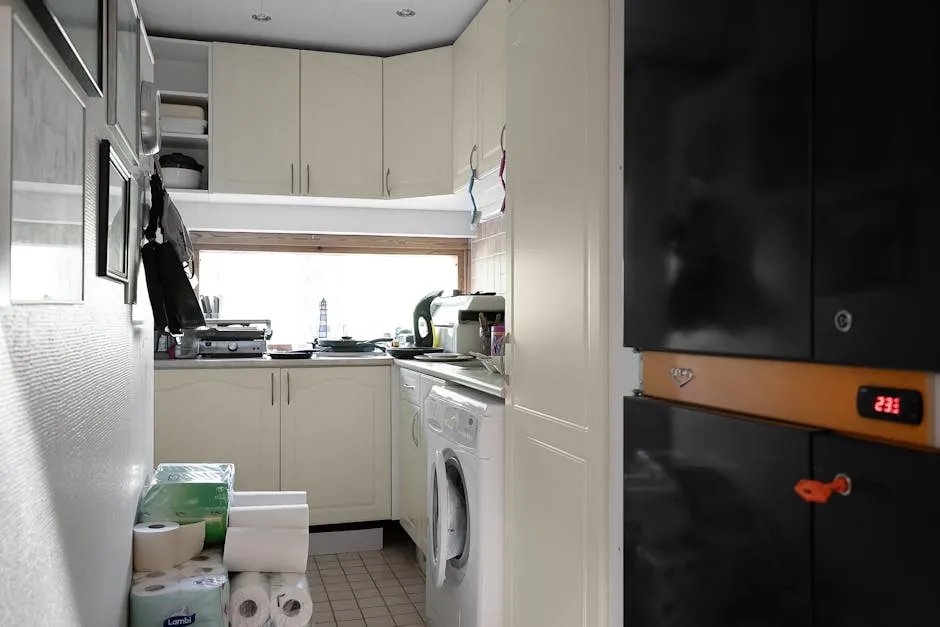
In cramped quarters, the kitchen often suffers from neglect, becoming a catch-all for clutter rather than a culinary haven. The struggle to balance function and aesthetics can feel impossible when every square inch counts. Yet, with thoughtful planning and innovative ideas, you can revive that forgotten corner of your kitchen without breaking the bank.
Understanding Your Kitchen's Unique Challenges
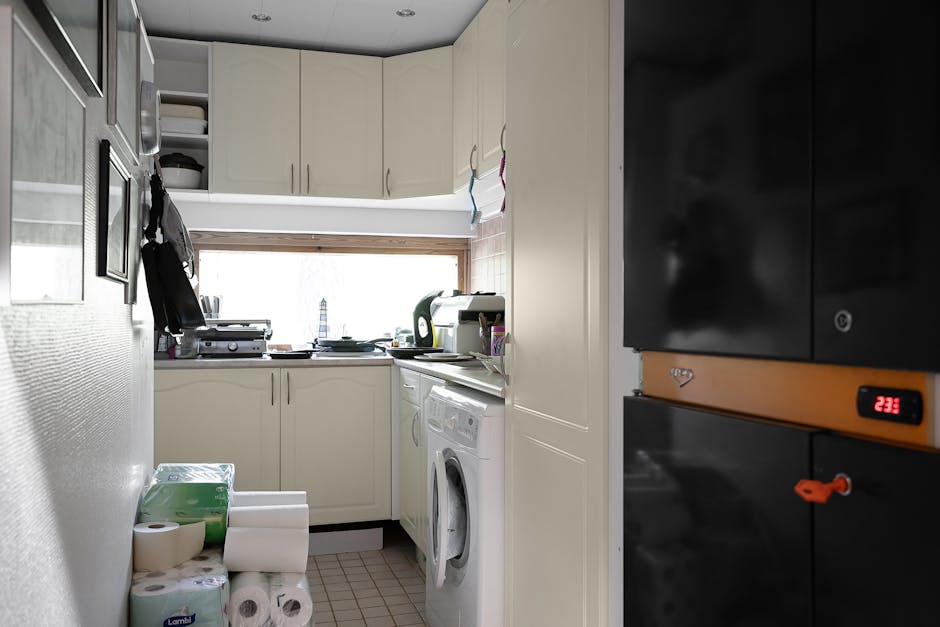
Every small kitchen comes with its own set of challenges, from limited storage to inadequate workspace. Consider the layout: does it facilitate movement, or does it feel cramped? Many homeowners find themselves sacrificing practicality for style, often resulting in a space that’s both uninspiring and inefficient. Before diving into solutions, take stock of your kitchen’s current state. Identify what works and what doesn’t—this will inform your decisions moving forward.
Budget Breakdown: Prioritize What Matters Most
When it comes to budgeting for kitchen upgrades, knowing where to allocate funds is crucial. A common mistake is to focus on cosmetic changes like paint or new hardware before addressing functional issues. Allocate your budget in three key areas: storage solutions, workspace enhancements, and appliances.
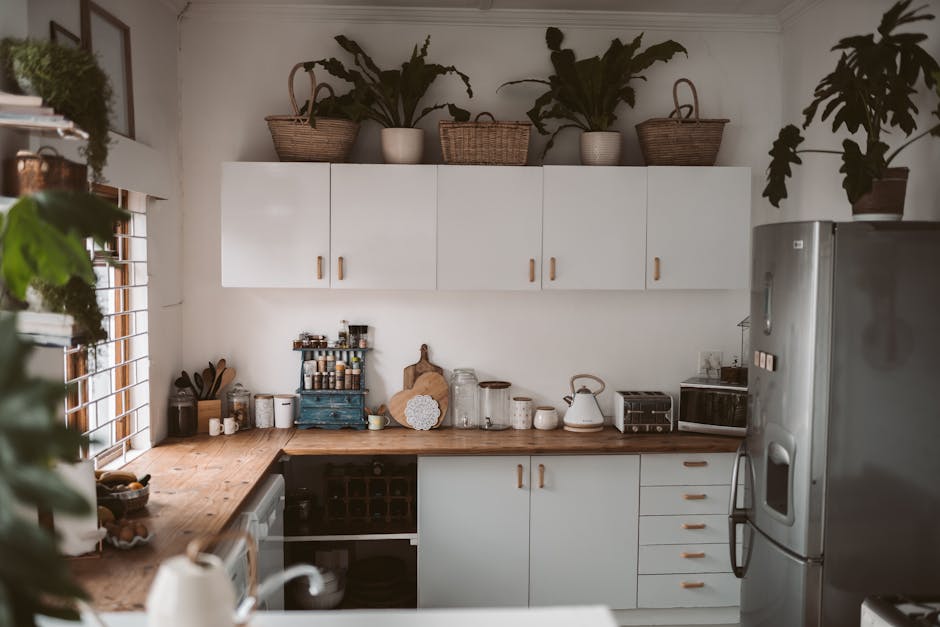
- Storage Solutions: Invest in multi-functional furniture, such as carts that can serve as both prep space and storage.
- Workspace Enhancements: Consider installing a foldable countertop or extending your existing surfaces with a butcher block that can be tucked away when not in use.
- Appliances: If upgrading appliances, choose energy-efficient models that maximize functionality without taking up too much space.
Smart Storage: Maximizing Vertical Space
When floor space is limited, look up. Vertical storage is often overlooked but can significantly enhance the functionality of a small kitchen. Installing shelves above countertops or cabinets can create additional storage for cookbooks, jars, or decorative items. Use stackable containers or tiered organizers inside cabinets to make the most of the space.
In practice, a client of mine transformed their small kitchen by adding open shelving above their sink, which not only provided extra space for dishes and plants but also created a visually appealing focal point. This simple change made the kitchen feel larger and more inviting.
Choosing the Right Color Palette and Materials
Color can dramatically impact the perception of space. Lighter shades tend to make areas feel more open, while darker colors can create a cozy, intimate atmosphere. For a small kitchen, a crisp white or soft pastel can reflect light and provide an airy feel. Additionally, choosing materials wisely can enhance both function and aesthetics.
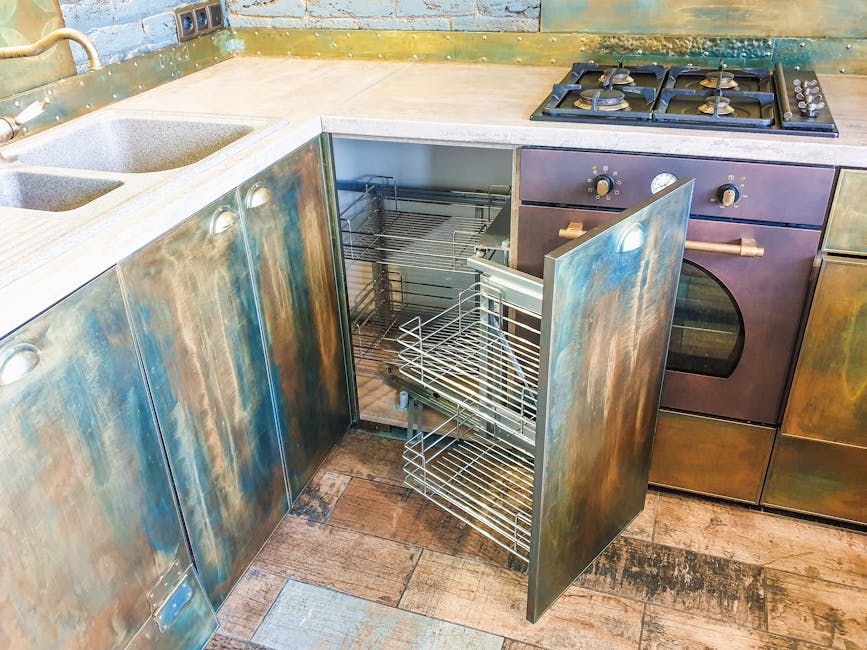
For instance, quartz countertops are durable and easy to clean but can be pricier. If you're on a budget, consider laminate options that replicate the look of stone without the hefty price tag. This is a practical choice that does not compromise style for cost.
Utilizing Multi-Functional Furniture
In small kitchens, every piece of furniture should serve multiple purposes. Consider an island that doubles as a dining table or a bench that opens for storage. These pieces not only save space but also encourage a more social cooking environment.
One effective method is to use rolling carts that can easily be moved out of the way when not in use. This flexibility allows you to adapt your kitchen to various tasks, from prepping meals to hosting gatherings.
Frequently Asked Questions
Look for laminate countertops, vinyl flooring, and IKEA cabinetry, which are all cost-effective yet stylish options. These materials can provide durability without the premium price tag.
Utilize vertical space with shelves, consider under-sink storage solutions, and incorporate drawer dividers to keep everything organized and easily accessible.
Yes, open shelves can make a kitchen feel larger and airier. They also allow for personal expression with decorative items, but be mindful of dust and maintenance.
Focus on functionality first—enhance storage, optimize workspace, and choose energy-efficient appliances before cosmetic changes.
Absolutely! Use foldable tables or a breakfast bar that can be tucked away when not in use to create an inviting dining space without sacrificing functionality.