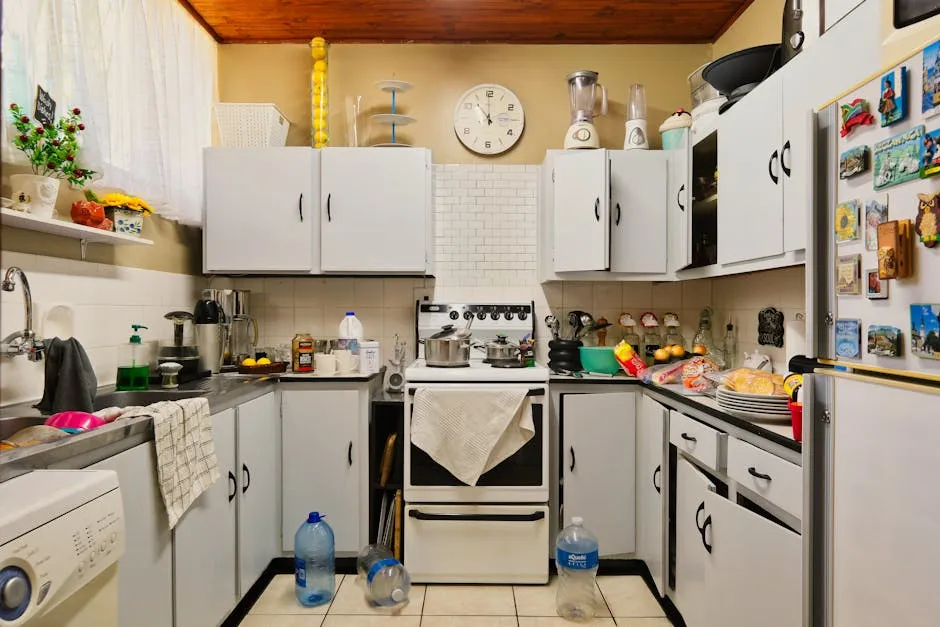

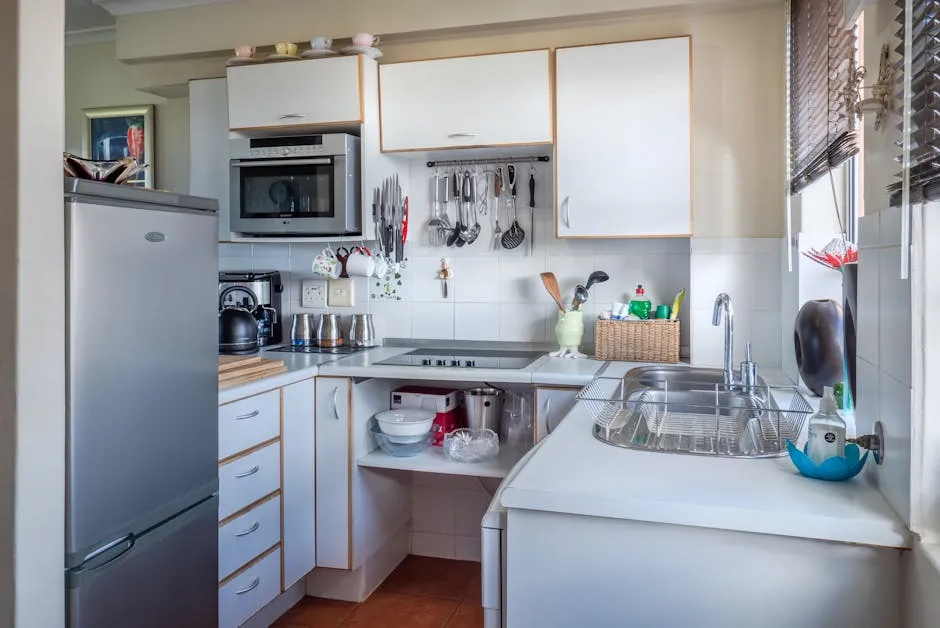
Imagine this: it's a Saturday morning, and you're ready to whip up a delicious brunch. You reach for a pan, only to realize your limited counter space is already cluttered with utensils, ingredients, and appliances. Welcome to the reality of tiny kitchens, where chaos often reigns supreme. But with the right strategies, you can reclaim your cooking space and enjoy the process of meal preparation.

Assessing Your Kitchen Layout
The first step in mitigating kitchen chaos is understanding your current layout. A well-planned kitchen layout adheres to the 'work triangle' principle, which positions the sink, stove, and refrigerator in a triangular formation for efficiency. However, in a small kitchen, this may not always be feasible.
Consider the following layout types, each with its pros and cons:
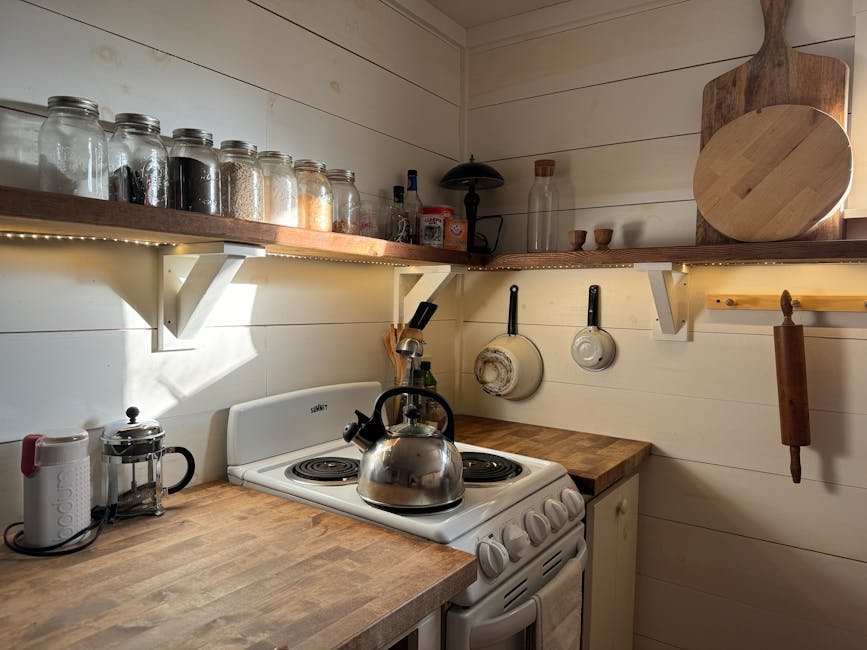
- Single Wall Layout: Ideal for extremely compact spaces, this layout places all appliances and counters along one wall. While it can maximize space, it limits workflow and can feel cramped.
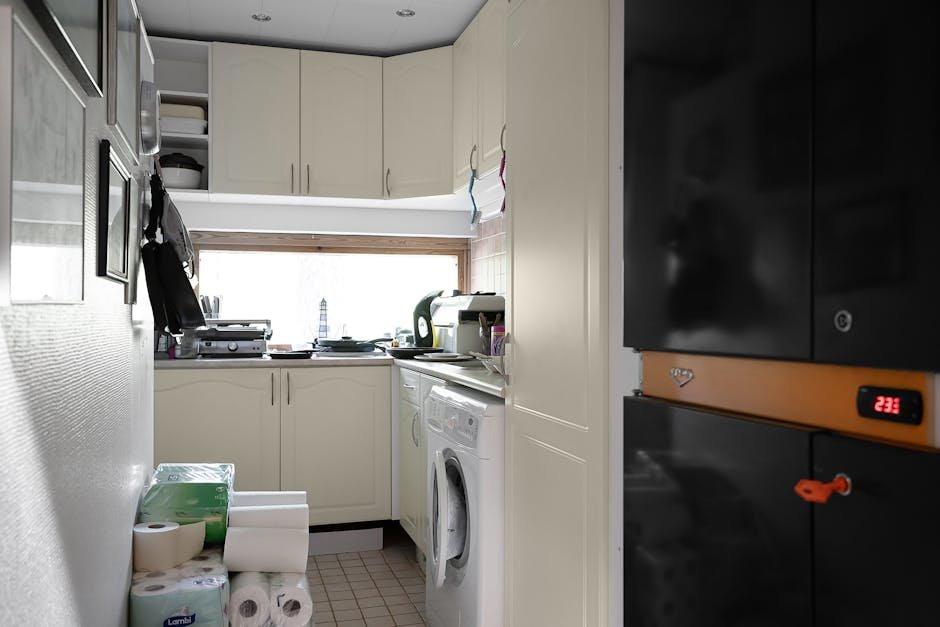
- Galley Layout: Often seen in apartments, a galley kitchen has parallel counters. This configuration allows for efficient movement but can become congested with multiple cooks.
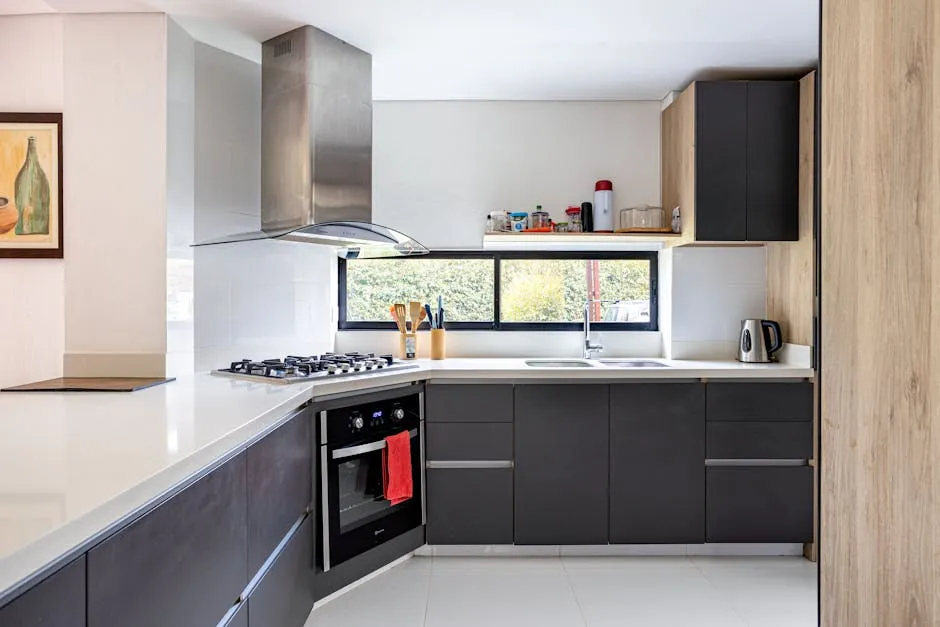
- L-Shaped Layout: This layout uses two adjoining walls and offers more counter space, making it a popular choice for small kitchens. However, it may require sacrificing storage.
Real-World Application
In practice, I once helped a friend reconfigure their single-wall kitchen. By removing an unnecessary upper cabinet, we gained valuable vertical space and made room for a magnetic knife strip. The kitchen felt more open and functional, proving that even minor adjustments can yield significant improvements.
Choosing the Right Appliances
When it comes to tiny kitchens, the choice of appliances is crucial. Opting for compact versions of your favorite appliances can free up essential counter space. However, this decision comes with considerations regarding performance and capacity.
| Appliance Type | Full-Size | Compact |
|---|---|---|
| Refrigerator | More storage, but takes up space | Space-efficient, but less storage |
| Oven | Better baking results | Limited capacity, but faster preheating |
| Dishwasher | Standard size offers full load capacity | Ideal for small households |
For instance, a full-size refrigerator can seem like a necessity, but if you're cooking for one or two, a compact model could suffice. Many compact options come equipped with energy-efficient features, making them not only space-saving but also eco-friendly.
Maximizing Vertical Storage
In tiny kitchens, floor space is often at a premium. This is where vertical storage becomes your best friend. Utilizing walls for storage not only frees up counter space but also enhances accessibility.
Consider these vertical storage solutions:
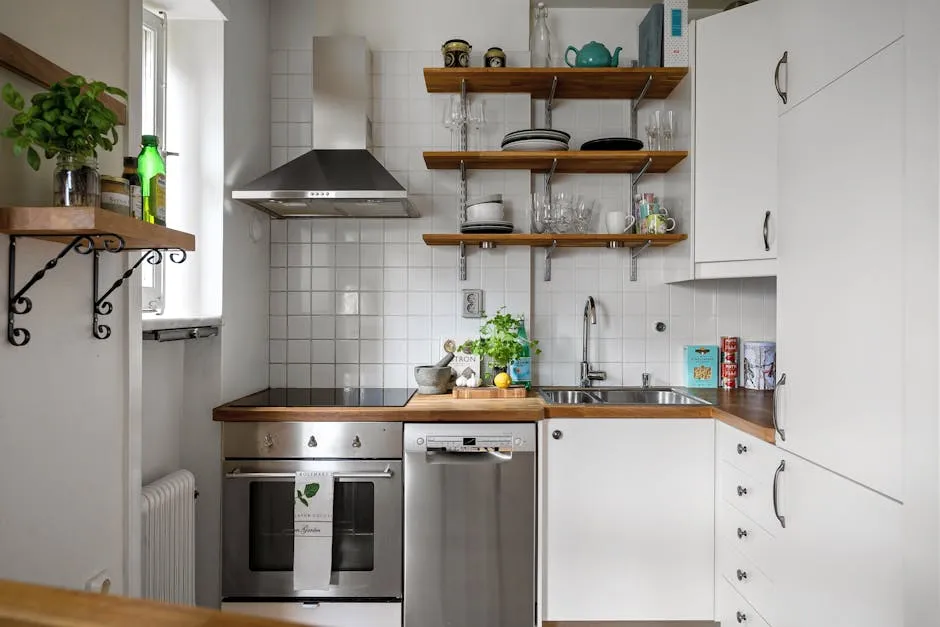
- Wall-Mounted Shelves: These can be installed above counters to hold frequently used items. A set of floating shelves can bring both style and functionality.
- Pegboards: These versatile boards can organize utensils, pots, and pans, keeping them within easy reach.
- Over-the-Door Organizers: Perfect for pantry doors or cabinet doors, these organizers can hold spices, cutting boards, or even baking sheets.
When Vertical Storage Might Not Work
While vertical solutions are appealing, they may not suit every kitchen. For example, in a kitchen with low ceilings or limited wall space, you might need to focus on optimizing existing cabinets instead.
Choosing Multipurpose Tools
In a small kitchen, every item should earn its keep. Multipurpose tools not only save space but also reduce clutter. Investing in tools that serve multiple functions can transform your cooking experience.
Examples of multipurpose tools include:
- Food Processor: This appliance can chop, slice, shred, and even knead dough, eliminating the need for several single-use gadgets.
- Instant Pot: A pressure cooker, slow cooker, rice cooker, and more, the Instant Pot can replace several appliances in one compact unit.
- Cutting Board with Storage: Some cutting boards come with built-in storage for knives or utensils, making them easy to store when not in use.
Practical Tips for Using Multipurpose Tools
In my own compact kitchen, I switched to a multi-use blender that not only makes smoothies but also functions as a food processor. This single appliance has drastically cut down on the clutter, allowing me to keep my counter tidy. However, be mindful of the learning curve; some multipurpose tools can be complex to operate.
Creating a Functional Workflow
Finally, even the best gadgets and storage solutions won’t help if your workflow is inefficient. Organizing your kitchen to align with your cooking habits can drastically improve your experience.
Consider these workflow-enhancing strategies:
- Zone Your Kitchen: Designate specific areas for preparation, cooking, and cleaning. Keep items used in each zone together to streamline your process.
- Keep Frequently Used Items Accessible: Store pots, pans, and utensils near the stove, while baking supplies should be near the prep area.
- Purge Regularly: Make it a habit to evaluate your kitchen tools and ingredients. If something hasn’t been used in six months, consider donating or disposing of it.
Limitations of Workflow Adjustment
However, some kitchens may have fixed layouts that limit your ability to zone effectively. For instance, if your sink is far from your stove, it may disrupt your cooking flow, necessitating strategic planning to minimize movement.