
Understanding the Compact Kitchen Dilemma
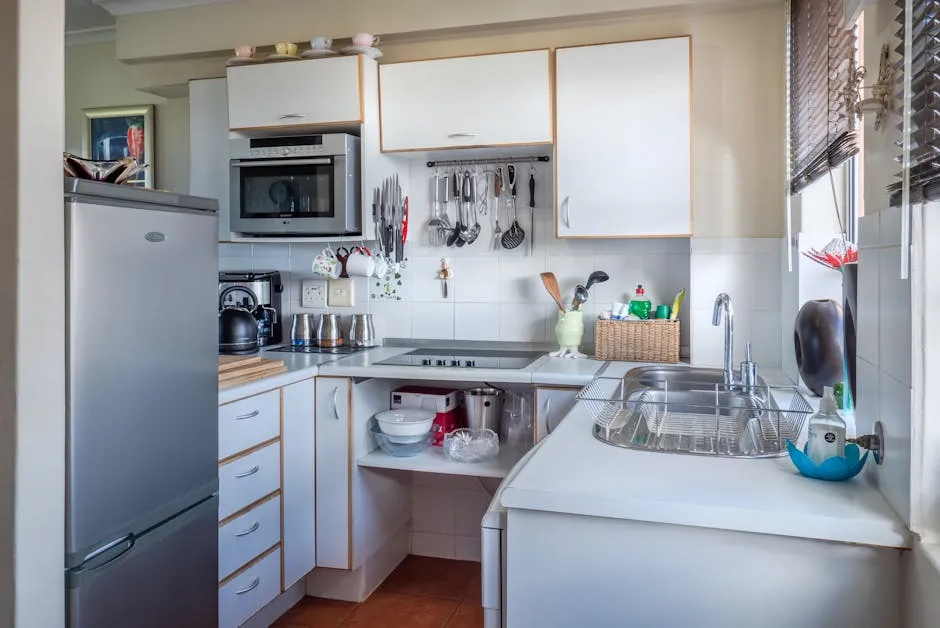
Compact kitchens present unique challenges that can significantly impact both cooking and socializing experiences. When space is limited, every inch counts, yet many homeowners overlook essential design principles, leading to frustration and inefficiency. The common mistakes often stem from misjudging the importance of layout, storage solutions, and even color schemes. Recognizing these pitfalls is the first step toward a more functional and aesthetically pleasing kitchen.
Common Mistakes in Compact Kitchens
When it comes to compact kitchens, several frequent mistakes can hinder the overall flow and usability of the space:
- Poor Layout Decisions: A cramped layout can make cooking feel like a chore rather than a joy. Many compact kitchens are designed without considering the work triangle, which connects the stove, sink, and refrigerator. This can lead to frustrating workflows.
- Inadequate Storage Options: Insufficient storage is a common complaint in small kitchens. Homeowners often rely solely on cabinets, overlooking vertical space and creative storage solutions.
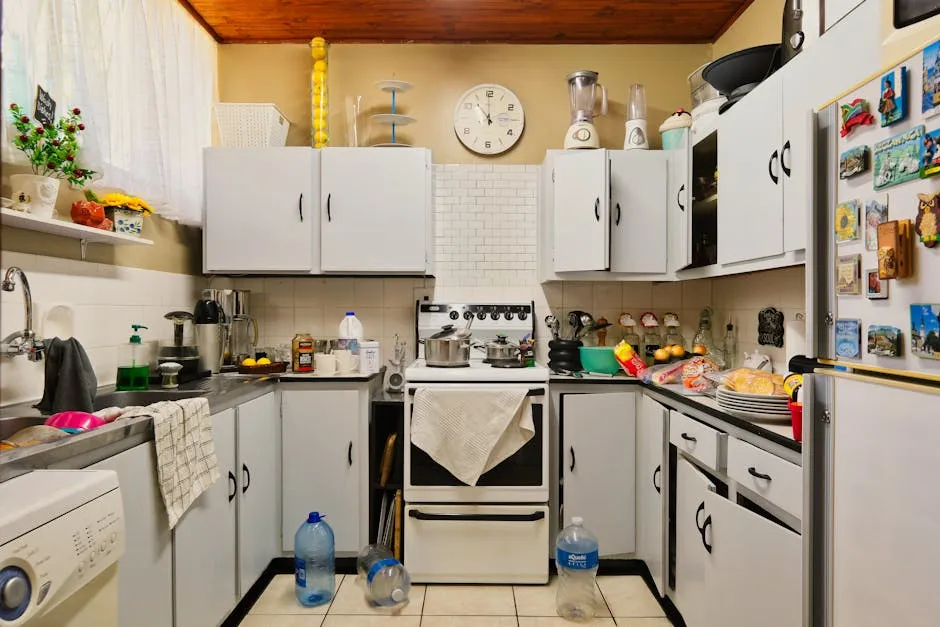
- Overcrowded Design: Trying to fit too many elements into a small kitchen can create a cluttered look and feel. This includes excess appliances, decor, and even furniture.
- Poor Lighting Choices: A lack of natural light paired with inadequate artificial lighting can make a compact kitchen feel even smaller and less welcoming.
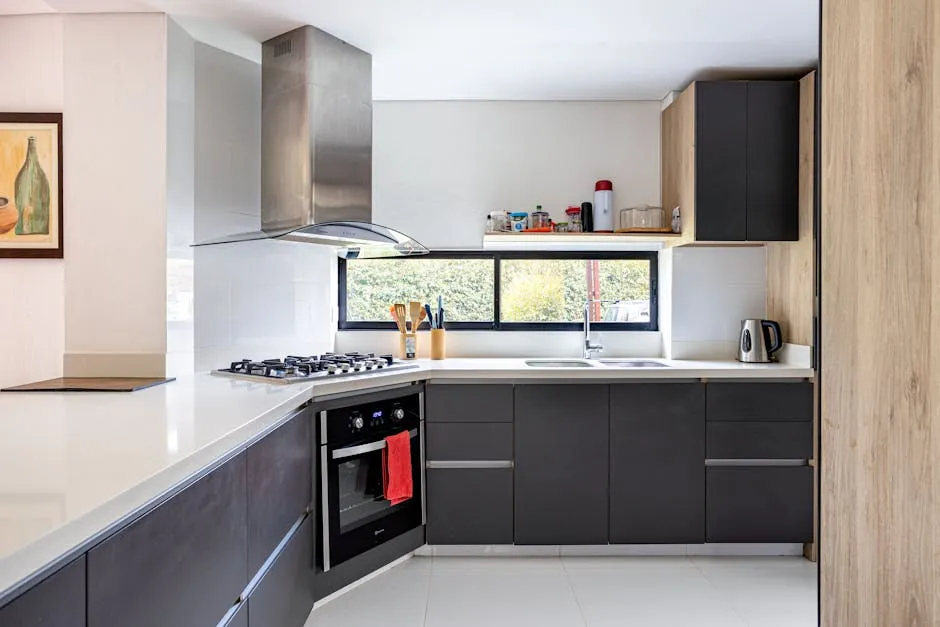
- Ignoring Color Schemes: Dark colors can absorb light and shrink the perceived size of a kitchen, while overly bright colors can be visually overwhelming.
Consequences of These Mistakes
Failing to address these mistakes can have significant consequences:
- Reduced Efficiency: A poorly designed layout can slow down meal preparation and increase frustration.
- Lack of Organization: Without proper storage, kitchens can quickly become chaotic, making it difficult to find essential tools and ingredients.
- Uninviting Atmosphere: A cluttered, poorly lit space can discourage cooking and entertaining, diminishing the kitchen's role as the heart of the home.
Effective Fixes for a Functional Kitchen
Now that we have identified these common mistakes, let’s explore effective fixes that can help revamp your compact kitchen into a functional and stylish space:
1. Optimize Your Layout
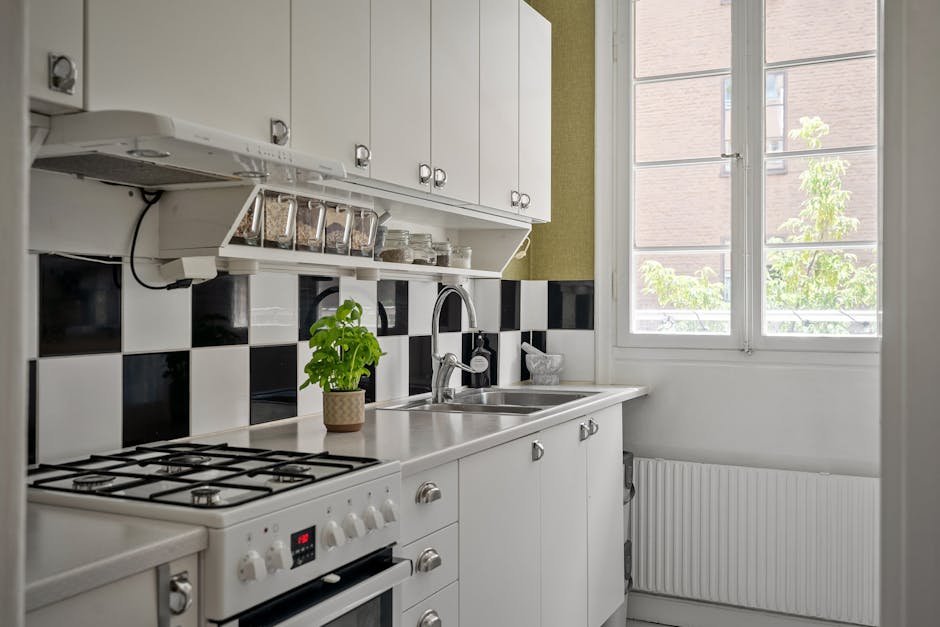
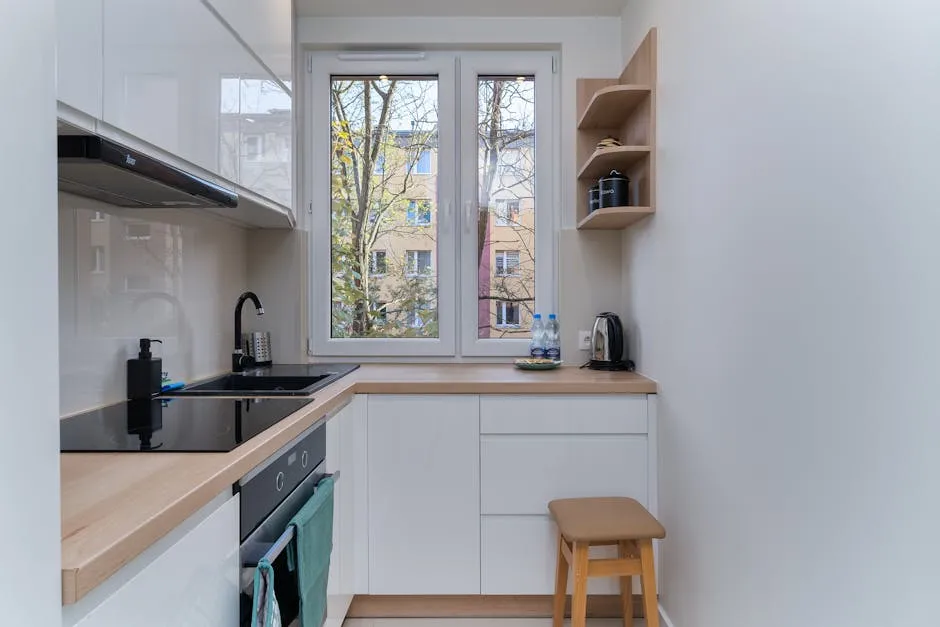
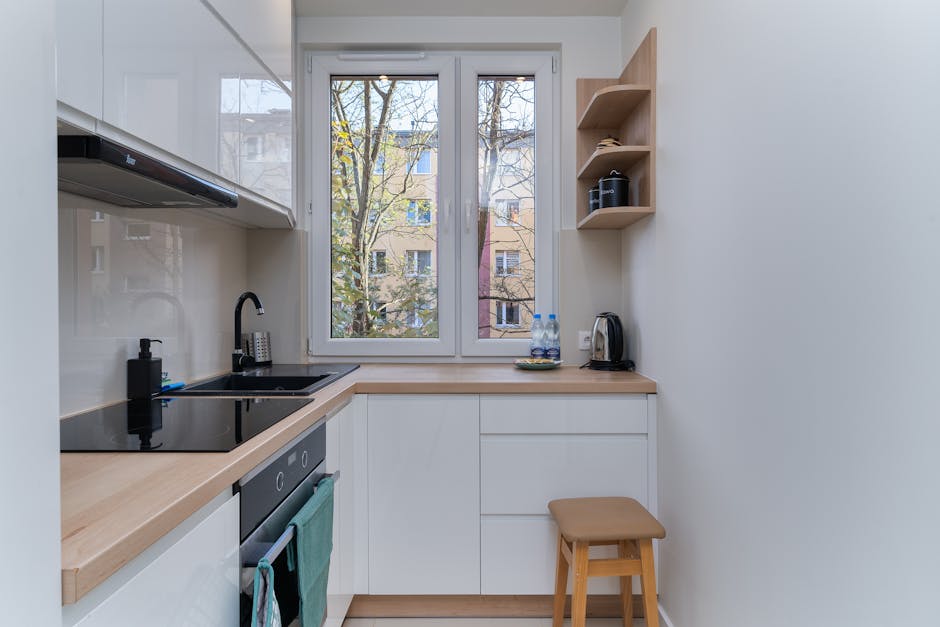
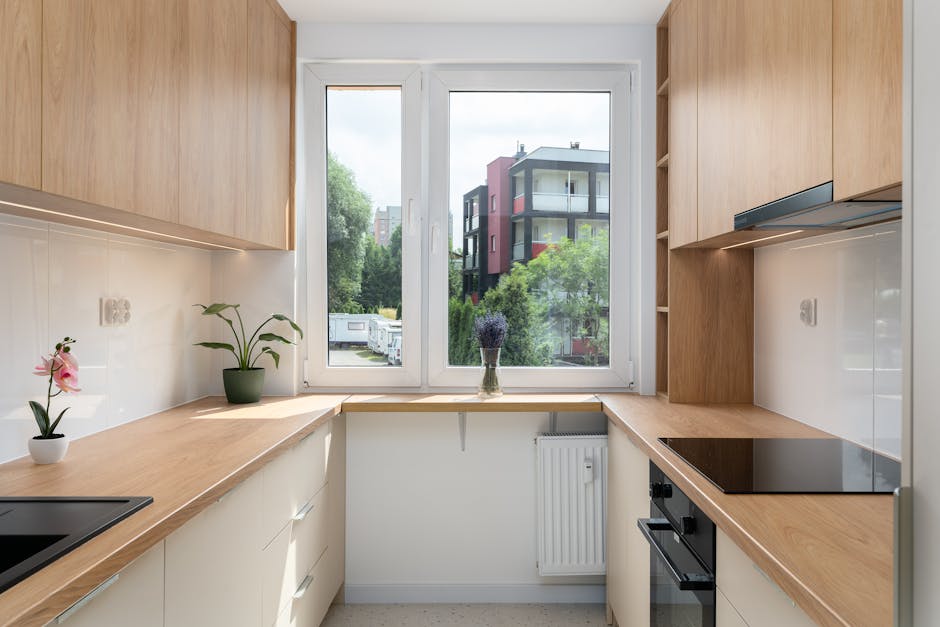
Consider the work triangle: the distance between the stove, sink, and refrigerator should be minimized to enhance efficiency. If you have limited space, think about using a galley layout, where the counters run parallel to each other. This configuration is especially beneficial for one-cook kitchens, as it maximizes workflow and accessibility.
2. Embrace Vertical Storage Solutions
Utilizing vertical space can free up valuable counter space. Install shelves above counters for cookbooks or decorative items. Magnetic strips can hold knives and metal utensils, while pegboards can display pots and pans artistically, keeping them within reach yet organized. Consider using stackable containers or pull-out shelves to maximize cabinet space.
3. Choose Multi-Functional Furniture
In a compact kitchen, every piece of furniture should serve multiple purposes. A kitchen island can double as a dining space, while foldable tables can be tucked away when not in use. Select stools that fit neatly under the counter to maintain a clean look. Choose furniture with built-in storage options to further optimize your space.
4. Create a Cohesive Color Scheme
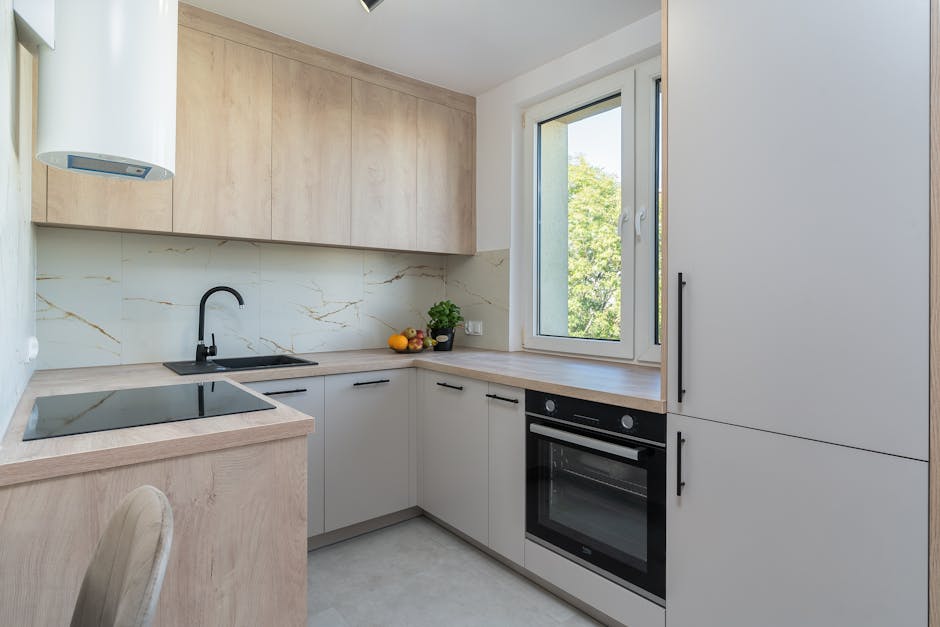
Light colors can make a compact kitchen appear larger and more open. White or pastel shades reflect light, enhancing brightness. If you prefer darker colors, consider using them as accents rather than the primary shade. Incorporating mirrors or glass elements can also help amplify the light and create a sense of depth.
Practical Constraints and Real-Life Scenarios
Let's consider a scenario: a family of four living in an apartment with a 100-square-foot kitchen. The mother, Emma, loves to cook but finds herself squeezed between the fridge and the wall-mounted cabinets. Every meal feels like a chore due to the cramped environment. Emma has observed that her kids often avoid the kitchen altogether because it feels cluttered and unwelcoming.
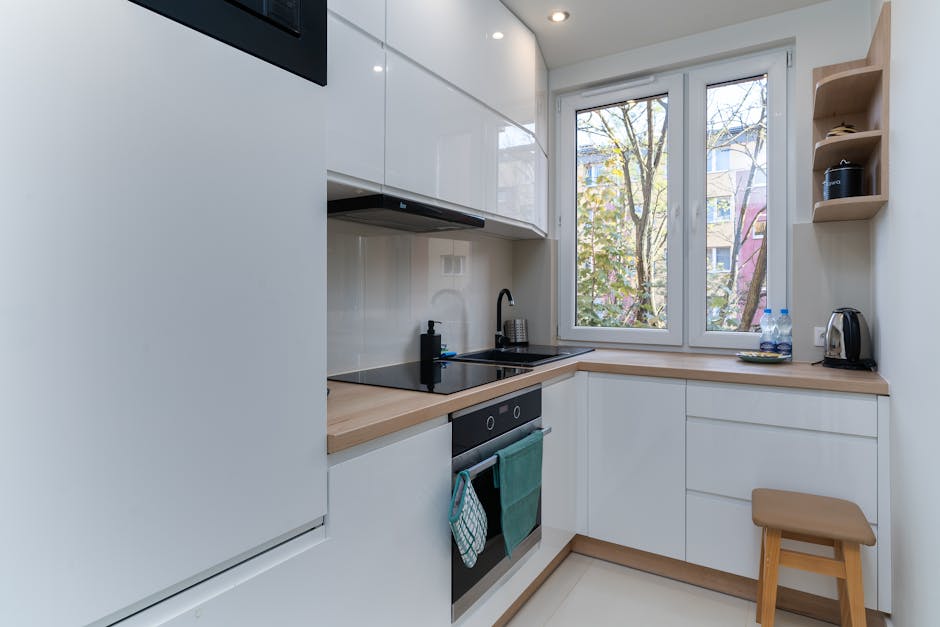
To address this, Emma decides to redesign her kitchen by implementing a few changes. She removes a single cabinet and replaces it with open shelves, which not only provides more storage but also makes the space feel airier. She chooses a light cream color for the walls and incorporates a pull-out table that can be folded away when not in use. These modifications allow her to create a more inviting atmosphere, encouraging family interaction while cooking.
Actionable Recommendations
To effectively revamp your compact kitchen, consider the following actionable steps:
- Conduct a thorough assessment of your kitchen layout and identify any inefficient areas.
- Research and invest in vertical storage solutions that suit your style and needs.
- Choose colors that enhance the feeling of space and light.
- Involve family members in the redesign process to create a kitchen that everyone enjoys using.