
A kitchen nook often becomes a catch-all for clutter—an underutilized space where potential goes to waste. Picture this: a sunny corner, perhaps with a window view, where a simple breakfast could transform your mornings. Instead of letting it languish, why not convert it into a cozy breakfast corner? This article will guide you through practical steps to revitalize your nook, focusing on budget considerations, design priorities, and what can be safely skipped.

Assessing Your Space and Budget
Before diving into design ideas, assess the physical attributes of your nook. Measure the dimensions and take note of existing features such as windows, outlets, and even nearby appliances. Understanding your space allows for a more tailored approach.
Next, consider your budget. A breakfast nook can be as simple or elaborate as you wish. Basic furniture and decor could start as low as $200, while a more comprehensive makeover might run upwards of $2,000. It’s vital to set a realistic budget that aligns with your priorities. A common framework for budget allocation is the 50/30/20 rule: 50% on essentials, 30% on upgrades, and 20% on decor.
Choosing the Right Furniture
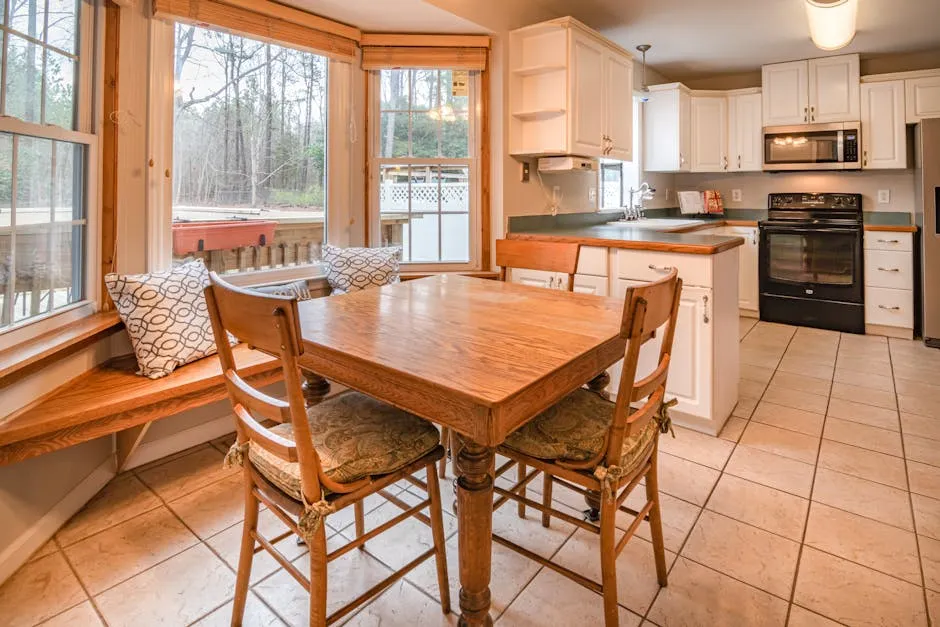
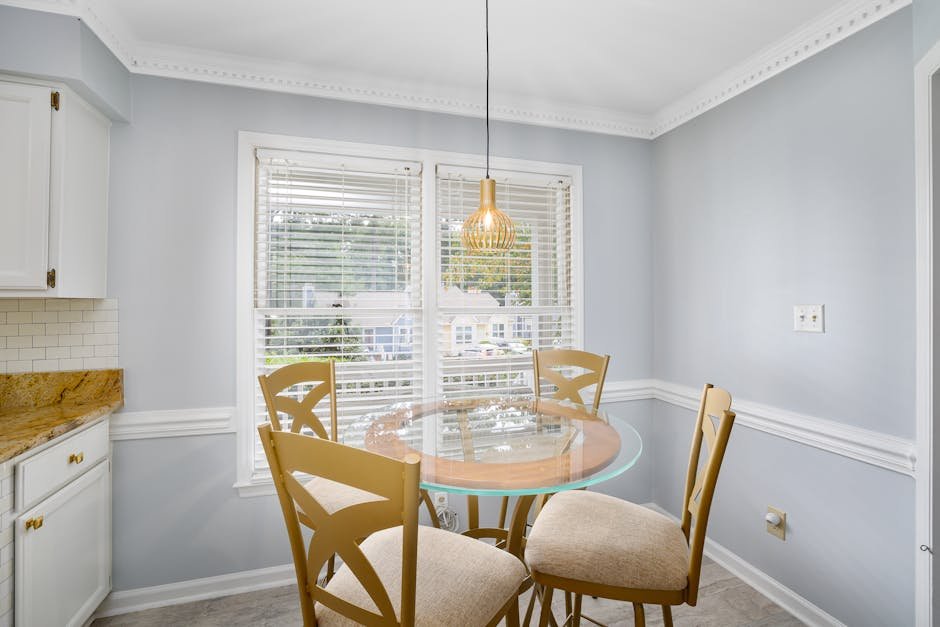
Furniture selection is pivotal in creating a cozy nook. Prioritize comfort with a small table and comfortable seating—think of a snug banquette or a round table with cushioned chairs. In practice, a round table can facilitate easier movement and conversation compared to a rectangular one.
Consider multipurpose furniture to maximize function. For instance, a bench with storage can keep your nook tidy while providing extra seating. In terms of style, choose materials that complement your kitchen's overall aesthetic but also add a warm touch. Wooden surfaces often work well, lending a natural feel.
Incorporating Style and Decor
Once the basics are in place, it's time to focus on style. This is where you can express your personality. The right decor can elevate the space significantly. Think about adding artwork, plants, or even a chalkboard wall for notes or recipes. Plants, in particular, can add a fresh vibe while improving air quality.
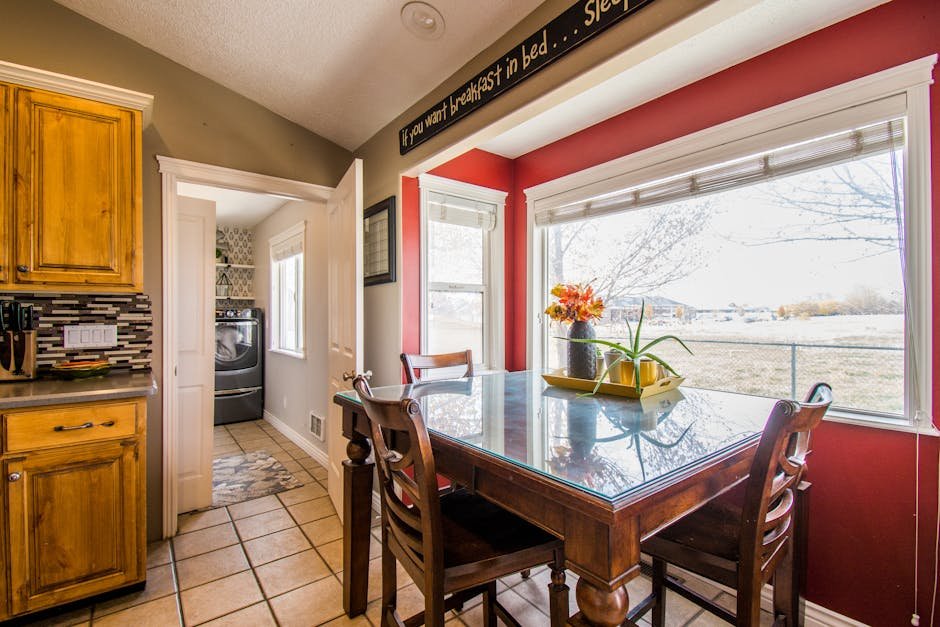
Lighting also plays a crucial role. A pendant light or a small chandelier can add elegance and warmth. If ceiling height allows, consider a fixture that draws the eye upward, creating an illusion of more space. Remember that layers of light—ambient, task, and accent—can create a more inviting atmosphere.
Creating a Functional Layout
Functionality cannot be overlooked. Arrange your nook so that it flows seamlessly with the rest of the kitchen. The layout should encourage easy movement and accessibility to kitchen tools and appliances. For example, placing your breakfast nook near the coffee maker or toaster can enhance morning efficiency.
A practical layout also considers the placement of furniture. Avoid blocking pathways and ensure that each piece serves a purpose. If space allows, a small side cart can provide extra storage for breakfast essentials, keeping things organized and within reach.
Budget Breakdown and Prioritization
Understanding where to allocate your funds is critical to getting the most out of your breakfast nook transformation. Here’s a simple breakdown:
| Item | Estimated Cost | Priority Level |
|---|---|---|
| Furniture (table & chairs) | $200 - $800 | High |
| Decor (artwork, plants) | $50 - $300 | Medium |
| Lighting Fixtures | $100 - $600 | High |
| Storage Solutions | $100 - $400 | Medium |
| Paint or Wall Treatments | $50 - $200 | Low |
This breakdown helps in making informed decisions on what to prioritize. Investing more in furniture and lighting can create a lasting impact, while decor can be updated seasonally or as budget allows.
Common Pitfalls and Limitations
As with any project, there are pitfalls to avoid. One common mistake is over-furnishing the space, which can make it feel cramped. Stick to essential pieces and allow for breathing room. Additionally, understand that not every style will fit every space. If your kitchen is ultra-modern, a rustic table may clash rather than complement.
Another limitation to consider is the potential for leaks or moisture, especially if your nook is near a sink. Using water-resistant materials can help prolong the life of your furniture and decor.
Frequently Asked Questions
Incorporate soft textiles like cushions or throws, use warm lighting, and add personal touches such as family photos or artwork to make the space feel cozy.
Consider DIY projects like homemade artwork or repurposing items from other areas of your home. Plants can also be an inexpensive way to liven up the space.
Absolutely! A small round table and compact seating can fit even the tiniest of spaces. Using wall-mounted shelves can also add functional storage without taking up floor space.
Regularly declutter the space, clean surfaces, and rotate decor items to keep things fresh and invite new energy into your nook.
Warm, earthy tones like soft yellows, greens, or warm grays can create a welcoming environment. Consider using lighter colors to make the space feel larger.