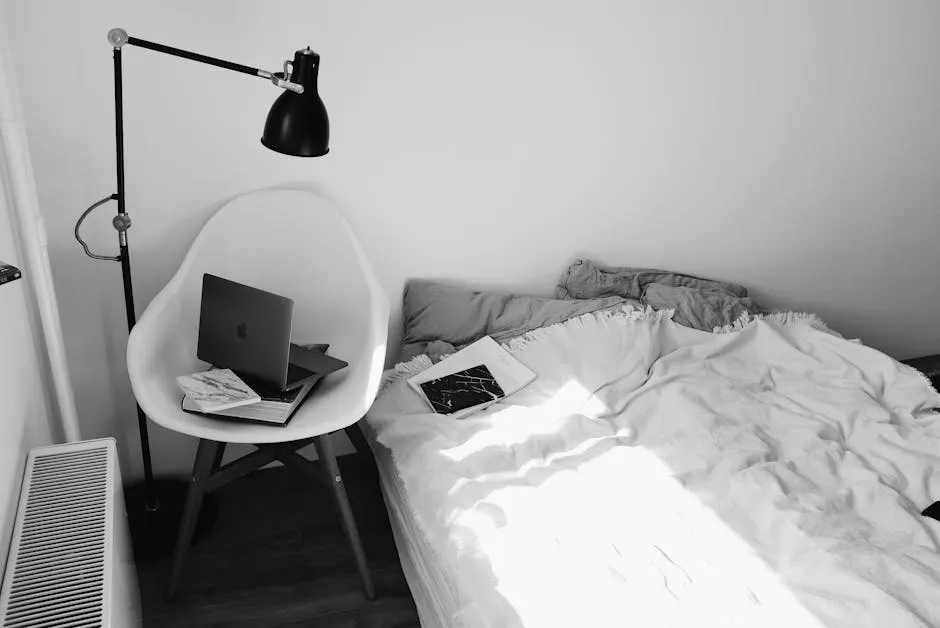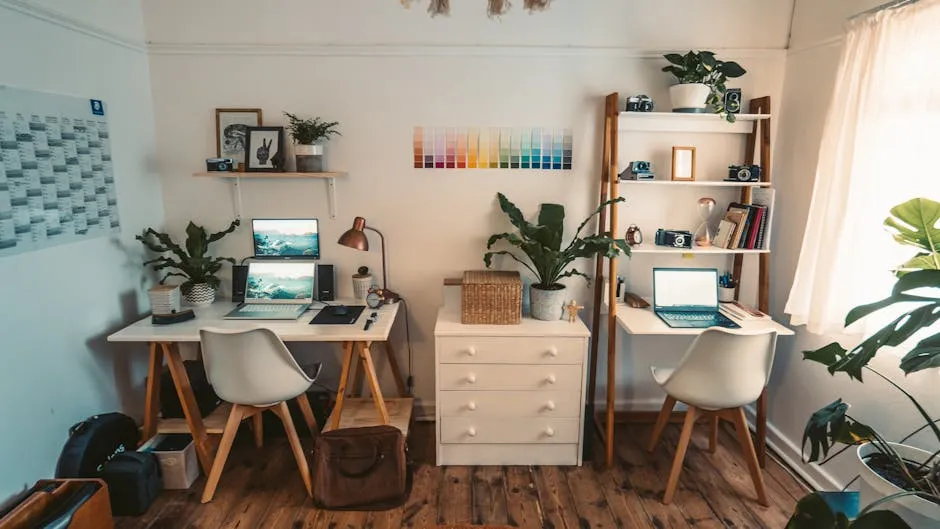

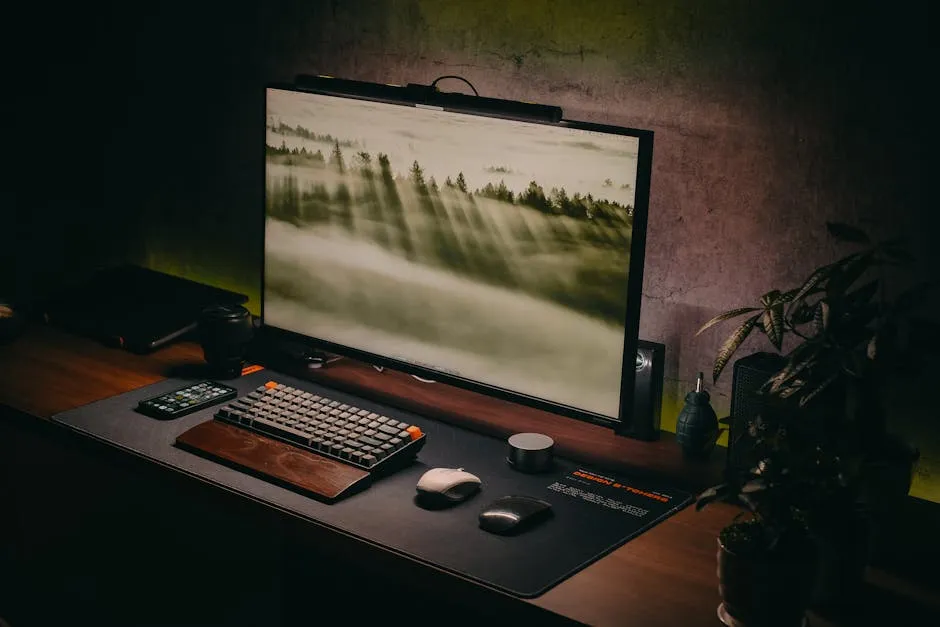
Imagine logging into your work email, only to be greeted by the remnants of last night's Netflix binge scattered across your bedside table. The cozy, inviting atmosphere of your bedroom feels at odds with the professional mindset needed for remote work. If this scenario resonates with you, it's time to rethink your desk setup. A poorly organized workspace can lead to distractions, decreased productivity, and even workplace dissatisfaction.
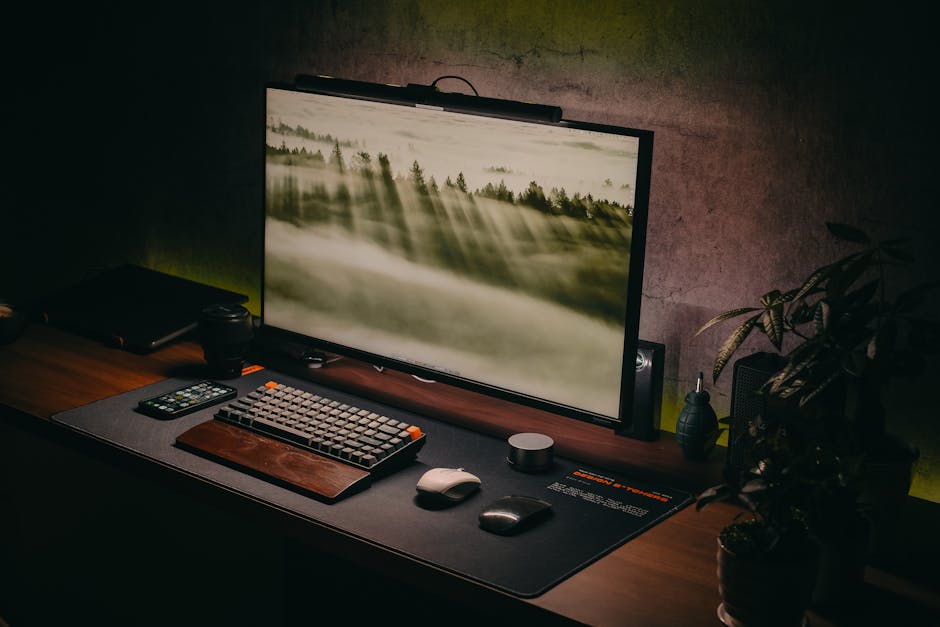
Understanding the Importance of a Dedicated Workspace
Setting up a dedicated workspace in your bedroom is crucial for delineating your professional and personal life. This separation can boost your focus, enhance productivity, and foster a healthier work-life balance. According to the Home Office Design Framework, having a clearly defined workspace can improve cognitive performance and overall satisfaction with your work environment.
However, it’s not just about having a desk; it’s about creating an environment that encourages productivity. This means considering factors such as lighting, ergonomics, and decor.

Budget Breakdown: What to Expect When Setting Up Your Desk
When budgeting for your cozy desk setup, it’s essential to categorize your expenses. Here’s a rough breakdown of typical costs:
| Item | Cost Range |
|---|---|
| Desk | $50 - $300 |
| Chair | $30 - $200 |
| Lighting | $20 - $100 |
| Accessories (organizers, plants) | $15 - $100 |
| Decor (art, personal touches) | $30 - $150 |
The costs can vary significantly based on the quality and type of items you choose. For instance, opting for a simple wall-mounted desk can dramatically reduce costs while maximizing space. Prioritize spending on ergonomic chairs and good lighting—these are investments that pay off in comfort and productivity.
Prioritizing Comfort and Ergonomics
Comfort should always be a priority when setting up your desk. Research indicates that a comfortable workspace can lead to improved focus and lower instances of fatigue. An ergonomic chair is essential, as it supports your posture and minimizes strain during long hours of work. For instance, the American Chiropractic Association suggests that a chair should have lumbar support, allowing your back to maintain its natural curve.

In practice, I’ve found that a simple adjustment of your chair height can make a world of difference. Your feet should rest flat on the ground, with your knees at or slightly below hip level. This changes your body’s alignment, reducing the chance of discomfort over time.
Choosing the Right Desk: Space and Functionality
When selecting a desk, consider both the space available and the functionality you need. A compact writing desk might suffice if your work primarily involves computer tasks. However, if you require additional space for documents or other materials, a larger desk with drawers or shelves can be invaluable.
Additionally, think about the desk's height. Standard desks are usually 28-30 inches high, but if you’re taller or shorter than average, you might need to adjust your choice. A desk that’s too high or too low can cause strain over time, which is something that often goes overlooked in budget setups.
Incorporating Personal Touches and Decor
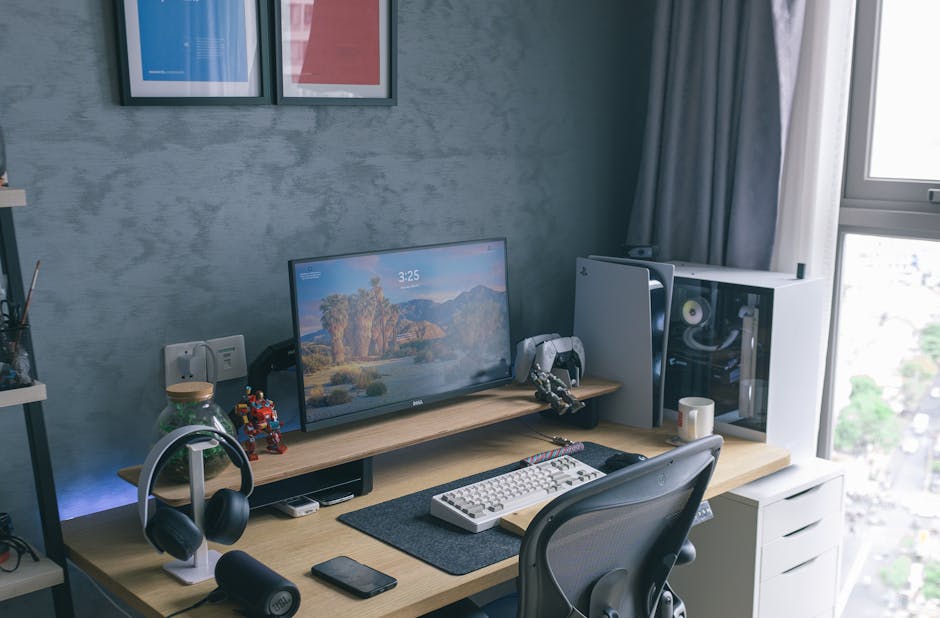
Your workspace should reflect your personality and inspire you. Adding personal touches can make your desk feel more inviting. Consider incorporating elements such as art, plants, or even a scented candle. Studies show that greenery can enhance mood and reduce stress, making it a worthwhile addition to your setup.
When choosing decor, aim for a balance between aesthetics and functionality. For instance, a bulletin board can serve as both a decorative element and an organizational tool. You can pin important deadlines, inspiring quotes, or even personal photos that keep you motivated.
Common Mistakes to Avoid in Your Setup
One of the most common mistakes when setting up a desk in a bedroom is neglecting the importance of lighting. Poor lighting can lead to eye strain and headaches, making it difficult to focus. Aim for a well-lit area, either through natural light or adjustable lamps that provide adequate illumination.
Another pitfall is overcrowding your desk with unnecessary items. Keep only essential tools within arm’s reach. Clutter can quickly become overwhelming, leading to distractions. Instead of a full desk, consider using vertical storage solutions to keep your workspace organized without sacrificing functionality.
Frequently Asked Questions
Look for a chair that offers lumbar support, adjustable height, and comfortable cushioning. Test it out to ensure it fits your body properly.
Consider wall-mounted desks or compact writing desks that can be easily tucked away when not in use, maximizing your space.
Yes, but set clear boundaries. Create a routine and designate specific times for work to help establish a mental separation between work and personal time.
Incorporate natural light where possible and use adjustable desk lamps that provide focused light. Avoid harsh overhead lighting.
Consider DIY projects, such as creating your own wall art or using inexpensive plants from local stores to add character without breaking the bank.