
Many of us have a small dining nook that sits largely unused, serving only as a surface for keys, mail, or the occasional cup of coffee. This area, often overlooked, could be transformed into a functional home office that caters to your work-from-home needs. The challenge lies in maximizing this limited space while keeping functionality and comfort at the forefront.
Assessing Your Space: What to Consider
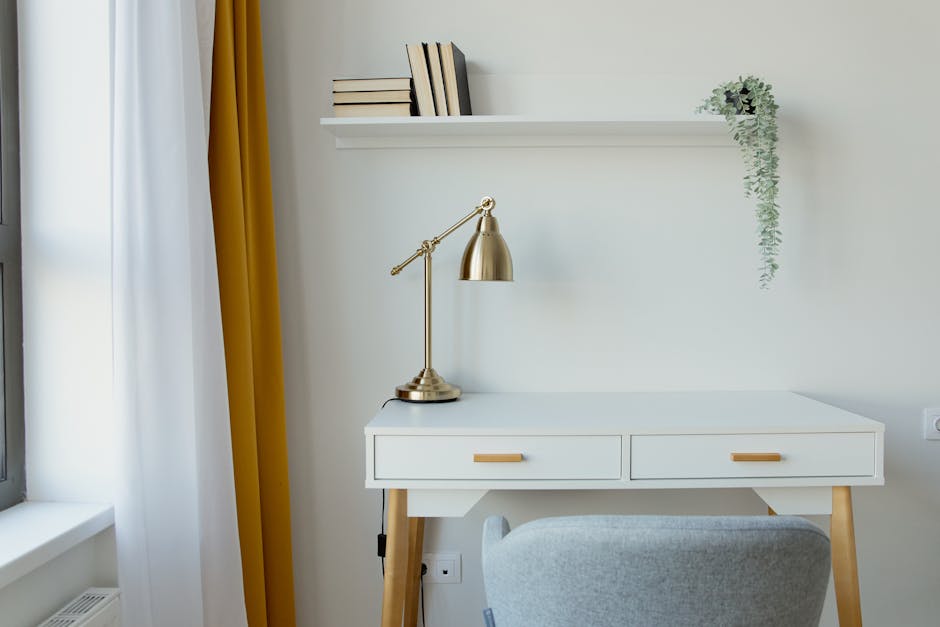
Before diving into the transformation, assess the dimensions and layout of your dining nook. Are there windows that allow natural light to flood in? Is there enough room for a desk and a chair without overcrowding the area? Jotting down these observations can help clarify what can realistically fit without compromising comfort.
- Natural Light: Prioritize positioning your desk near a window to enhance productivity and mood.
- Furniture Size: Opt for compact, multi-functional furniture to make the most of your square footage.
In practice, consider how you currently interact with this space. If it’s a place where family gathers for meals, a more transient setup might be necessary. This might include foldable desks or stackable chairs that can be put away when not in use.
Budget Breakdown: Costs to Expect
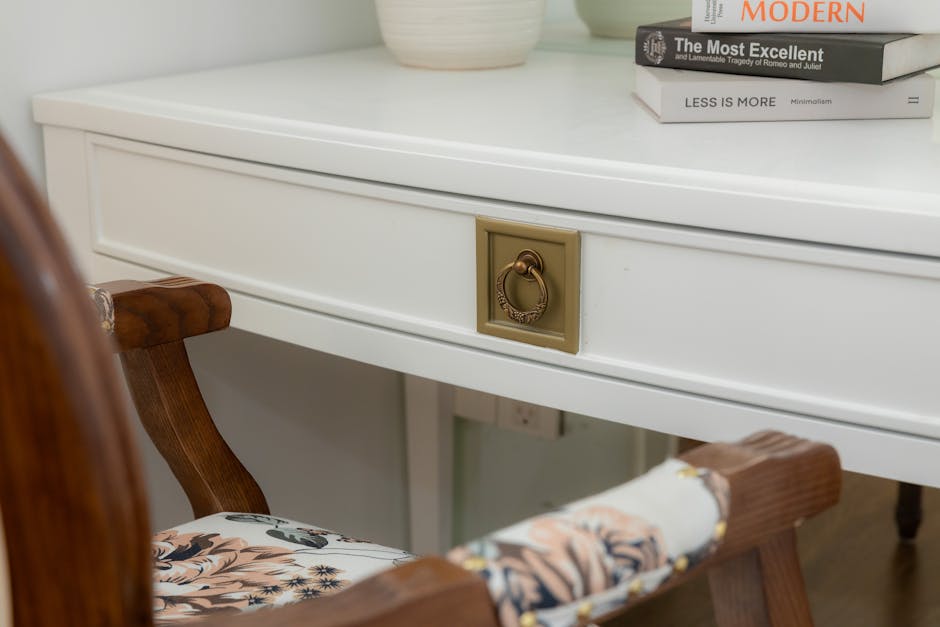
Transforming your dining nook into a home office doesn’t have to drain your wallet. Understanding the costs involved can help you prioritize your spending. Here’s a rough breakdown:
| Item | Estimated Cost |
|---|---|
| Compact Desk | $100 - $300 |
| Ergonomic Chair | $50 - $200 |
| Storage Solutions | $30 - $150 |
| Decor and Lighting | $20 - $100 |
| Total | $200 - $750 |
While it can be tempting to splurge on high-end furniture, consider your actual needs and how often you’ll be working from this space. Prioritize comfort and ergonomics in your chair selection, as this can significantly impact your productivity.
What to Prioritize in Your Setup
When transforming your dining nook, certain elements should take precedence to ensure a functional and inviting workspace. Start with ergonomics; an adjustable chair and desk height can prevent discomfort during long hours of work. Look for desks that allow you to alternate between sitting and standing — a feature gaining popularity in modern office setups.
- Ergonomic Accessories: Invest in a good chair and consider accessories like footrests or keyboard trays.
- Organization: Wall-mounted shelves can free up desk space while keeping essential items within reach.
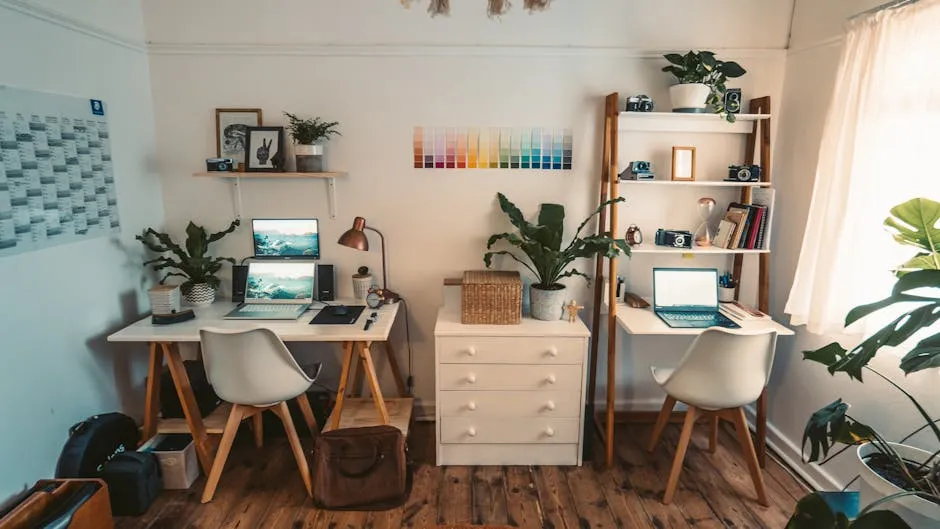
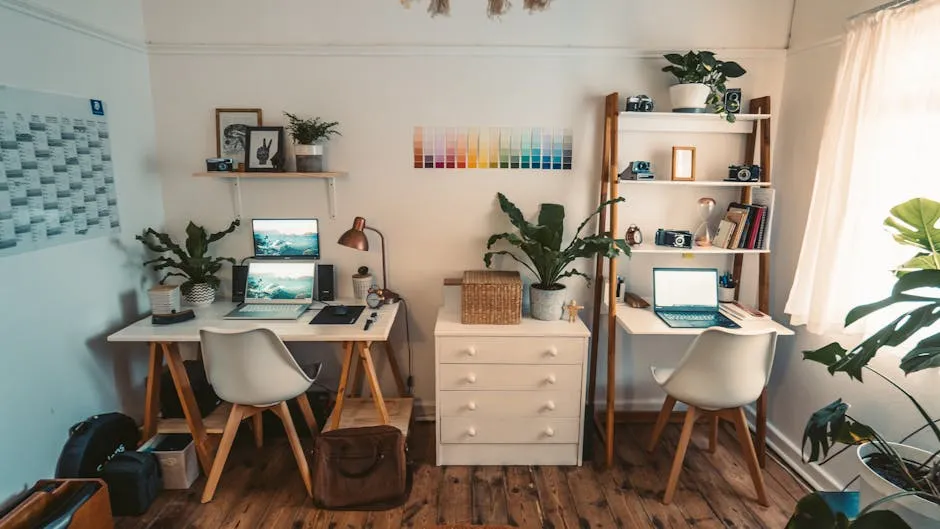
In practice, utilizing vertical space can enhance your nook's functionality without crowding the floor area. Floating shelves can hold books, plants, or decorative items, adding personality while maintaining a professional atmosphere.
What to Skip: Avoiding Common Pitfalls
As you embark on this transformation, be wary of common pitfalls that can hinder your workspace's effectiveness. Avoid oversized furniture that can overwhelm the space. Instead, focus on pieces that suit your needs without taking over your dining nook.
- Overdecorating: While personal touches are important, too many decorations can create clutter and distraction.
- Inadequate Lighting: Don’t underestimate the impact of good lighting; ensure your workspace is well-lit to reduce eye strain.
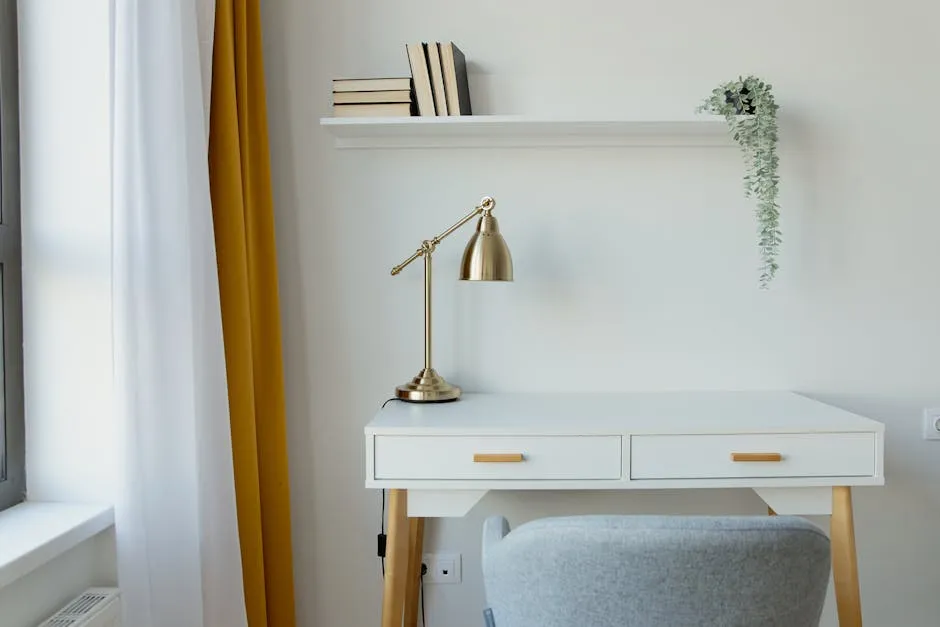
It’s essential to maintain a balance between style and function. A minimalist approach often works best in small spaces. For example, a simple desk with a few personal items can create a serene environment conducive to work.
Incorporating Personal Style and Comfort
While functionality is key, don’t overlook the importance of personal style. Your workspace should inspire you. Adding elements that reflect your personality can make working from home more enjoyable. Consider incorporating:
- Color Schemes: Use paint or decor that aligns with your brand or personal aesthetics.
- Comfort Items: A soft throw blanket or a comfortable cushion can make your nook feel inviting.
In practice, it might be helpful to create a mood board. Gather images, color swatches, and materials that resonate with you. This visual aid can guide your selection process and ensure cohesion in your design.
Frequently Asked Questions
A wall-mounted desk or a compact writing desk is ideal for small spaces. These options offer functionality without taking up too much room.
Use a combination of natural light, overhead lighting, and task lighting. A desk lamp with adjustable brightness can enhance your workspace, especially during evening hours.
While it’s beneficial to have a designated workspace, it’s not always necessary. Many people successfully work from multi-purpose areas, but clear boundaries are essential for productivity.
Utilize vertical storage solutions like shelves and wall organizers. Invest in desk organizers to keep frequently used items within reach and declutter your workspace.
If your nook is dim, consider using brighter light bulbs in your fixtures and incorporating mirrors to reflect light. Strategically placed lamps can also improve visibility.