
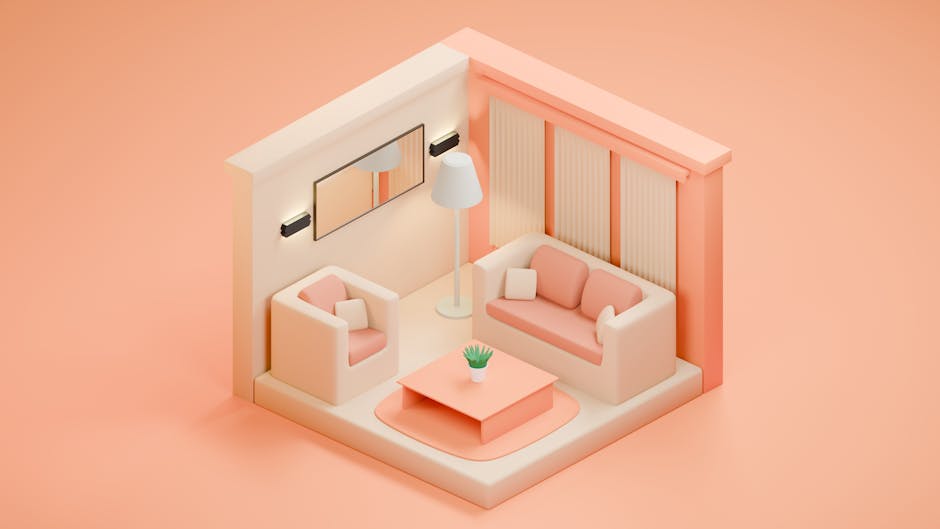
Arranging a small living room can be a delightful yet daunting task. Many homeowners find themselves excited about the prospect of decorating but quickly become overwhelmed by the limitations of space. Understanding common missteps can help you create an inviting, functional area without compromising on style.
Understanding Your Space: Dimensions Matter
Before diving into furniture selection and arrangement, it’s essential to grasp the dimensions of your living room. Many people underestimate the importance of knowing the exact measurements of the space available. This knowledge is crucial when planning your layout.
Take the time to measure:
- Overall room dimensions
- Door and window placements
- Heights of ceilings
- Any architectural features, such as beams or built-ins
For example, if you have a 12x15-foot room, visualizing how furniture will fit becomes easier once you know these details. You might think a sectional sofa would be perfect for lounging, but if it occupies more than half the floor space, it could create a cramped feeling. Instead, consider a loveseat paired with a couple of accent chairs that can be moved around as needed.
Choosing Furniture: Avoid Overcrowding
One of the most common mistakes people make when furnishing a small living room is overcrowding the space. More isn’t always better. Select pieces that serve multiple purposes and can adapt to your needs. For instance:
- Ottomans with storage: These can be used as coffee tables or extra seating while providing hidden storage for blankets or books.
- Wall-mounted shelves: These free up floor space while offering a stylish way to display decor or store items.
- Nesting tables: They can be separated for use or stacked together to minimize space when not in use.
Remember, less is often more. A minimalist approach can make a room feel larger and less cluttered. Aim for two or three key furniture pieces that complement each other without overwhelming the space.
Layout: Traffic Flow and Functionality
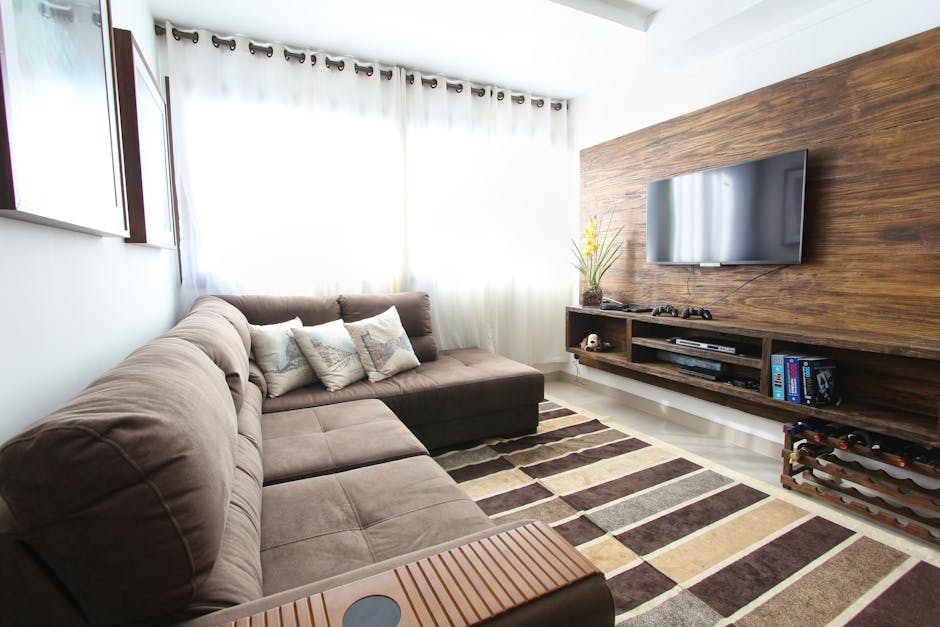
Another vital aspect of arranging a small living room is ensuring proper traffic flow. If your layout feels cramped, it may be necessary to rethink how furniture is arranged. A common misstep is placing all furniture against the walls. While this might seem like the best option to maximize space, it can lead to a hollow, uninviting atmosphere.
Instead, consider these layout strategies:
- Floating furniture: Position sofas or chairs away from the walls to create a more intimate conversation area. This can help define different zones within the room.
- Use area rugs: A well-placed rug can help delineate spaces, marking the living area and making it feel more cohesive.
- Consider angles: Arranging furniture at an angle can create visual interest and make the space feel larger.
For instance, if you have a sofa and two chairs, try positioning the chairs at an angle to the sofa. This not only allows for better conversation but also creates a more dynamic visual flow.
Color and Light: The Right Choices Matter
Color selection and lighting play significant roles in how spacious your living room feels. A common misconception is that dark colors make a room feel smaller. While that can be true, it’s more about how you use color and light together.
Consider the following:
- Light colors: Soft, light colors on walls can reflect light, making the space feel airy and open. Shades of white, pale grays, or soft pastels can work wonders.
- Accent walls: If you love bold colors, consider painting one wall a darker shade. This draws the eye and creates depth without overwhelming the room.
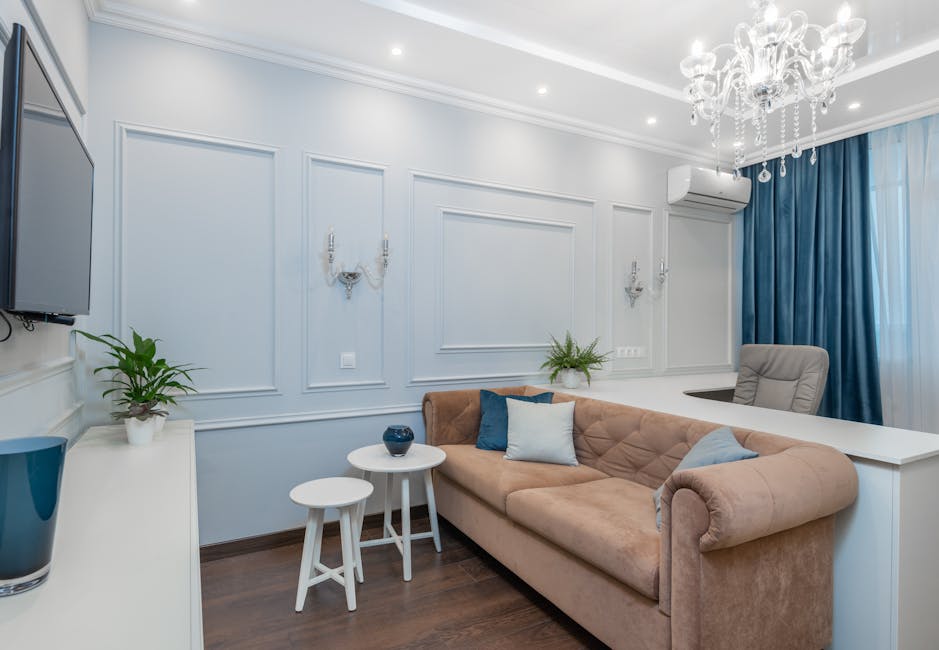
- Layered lighting: Incorporate various light sources—overhead, task, and accent lighting—to create a warm, inviting atmosphere. Use floor lamps and table lamps to add warmth and dimension.
A practical constraint to keep in mind is the amount of natural light your living room receives. If your space lacks windows, opt for brighter colors and strategically placed mirrors to reflect existing light.
Accessorizing: The Final Touches
Accessories can enhance your living room’s aesthetic but can also contribute to clutter if not chosen wisely. The key is to strike a balance. Aim for a few statement pieces rather than overcrowding surfaces with knick-knacks. Choose decor that adds character while ensuring it doesn’t overwhelm your limited space.
Here are some tips for effective accessorizing:
- Choose oversized art: A single large piece can make a bold statement without cluttering the walls.
- Use multi-functional decor: Decorative baskets can hold items while also serving as a visual accent.
- Greenery: Incorporate plants, which can bring life and freshness to a small space. Opt for a few larger plants rather than many small ones to avoid visual chaos.
Ultimately, the goal is to create a living room that feels cohesive and welcoming. A well-curated selection of accessories can elevate your design without contributing to a cluttered atmosphere.
Frequently Asked Questions
Look for furniture with clean lines and a minimalist design. Mid-century modern and Scandinavian styles tend to work well in small spaces because they emphasize simplicity and functionality.
Use light colors, mirrors, and strategic lighting to create an illusion of space. Avoid overcrowding with too much furniture and opt for pieces that serve multiple functions.
Focus on creating conversation areas. Arrange seating to face each other rather than against walls, and consider floating furniture away from the walls for a more inviting layout.
Light and neutral colors generally work best, as they reflect light and create an open feel. However, using darker colors on an accent wall can also add depth if balanced correctly with lighter shades.
Incorporate furniture with built-in storage, such as ottomans and coffee tables. Use vertical space with shelves, and consider decorative boxes or baskets to keep items organized without cluttering surfaces.