
Small living rooms often present a unique challenge: how to create a space that feels stylish and functional without overwhelming it with furniture. Many people find themselves torn between choosing pieces that showcase their personal aesthetic and those that maximize utility. The tension arises from the need to accommodate daily activities—like entertaining guests or relaxing with family—while maintaining a visually appealing environment. With limited square footage, every choice matters.
Understanding Your Space: The Importance of Measurements
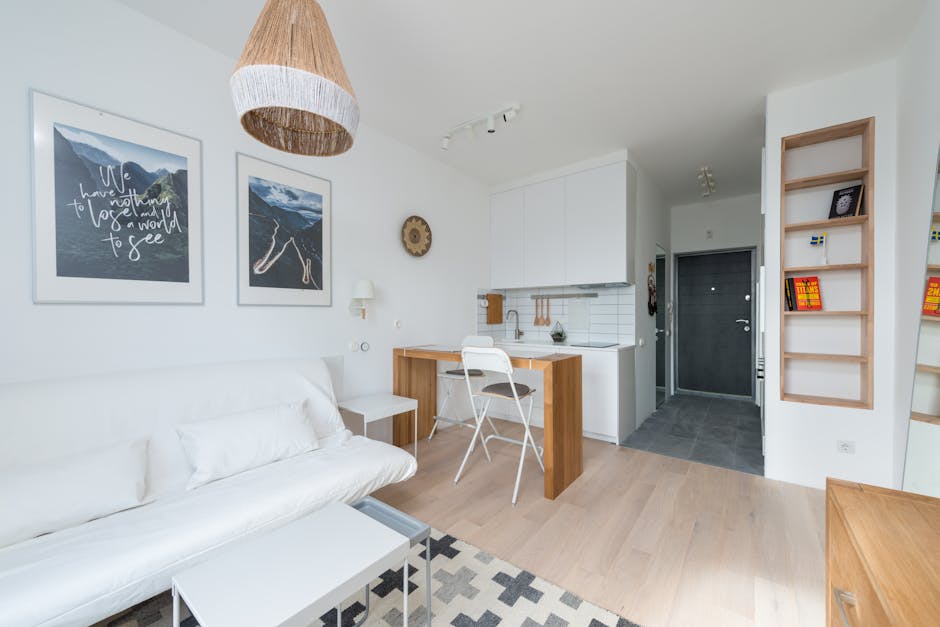
Before diving into furniture selection, it’s essential to understand the specifics of your living room. Accurate measurements are critical. This involves not just the dimensions of the room but also the placement of windows, doors, and existing architectural features. Consider using a tape measure to create a scaled drawing of your room. This visual representation will aid in identifying the ideal spots for furniture placement.
In practice, many find that visualizing their space leads to better decision-making. For instance, a client of mine had a 12x15-foot living room with a large window that limited wall space. By mapping out the room, we determined that a sectional sofa would fit perfectly across one wall, leaving ample room for a coffee table and accent chairs. This ensured the space felt open rather than cramped.
Furniture Types: Pros and Cons
When it comes to selecting furniture for a small living room, understanding the pros and cons of various types can guide your choices effectively.
Sectionals
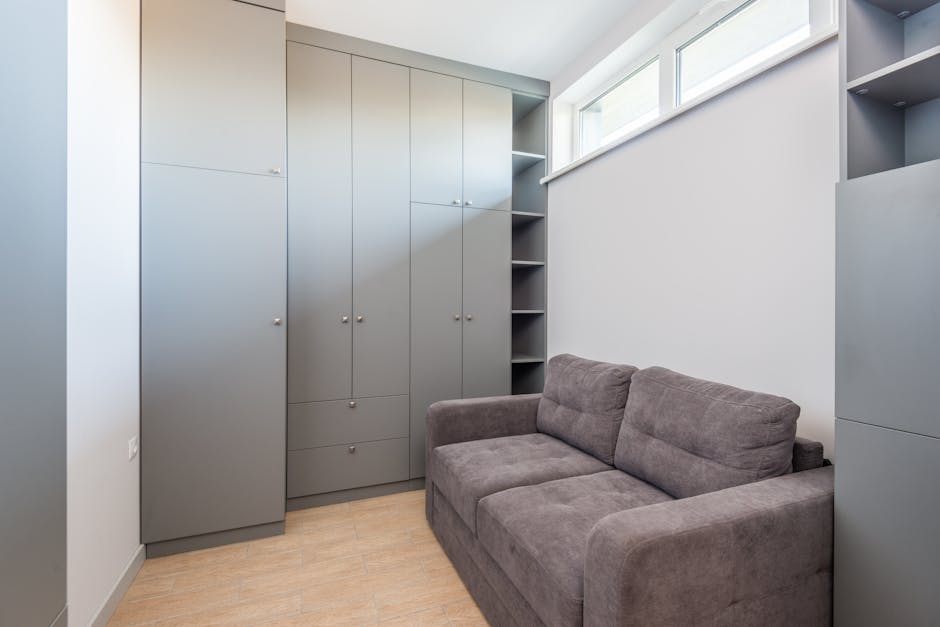
Sectional sofas are a popular choice for small spaces due to their ability to serve multiple functions. They can provide ample seating while also doubling as a makeshift bed for overnight guests.
- Pros: Maximizes seating, offers versatility, can fit into corners.
- Cons: Can overwhelm smaller rooms if not sized correctly, often more expensive than traditional sofas.
Loveseats
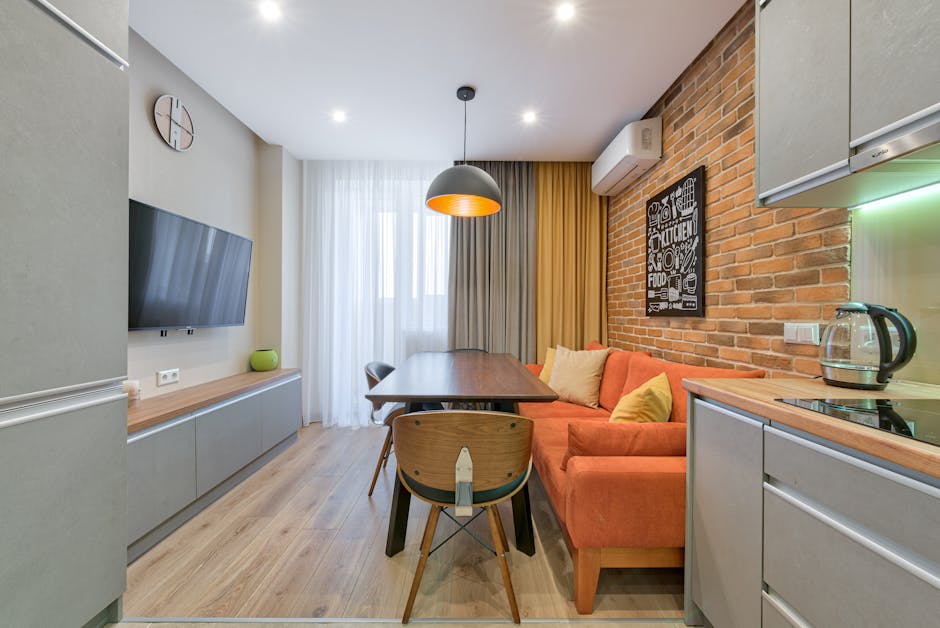
If space is extremely limited, a loveseat might be the better option. These compact sofas are designed for smaller areas and can still provide a cozy spot for two.
- Pros: Smaller footprint, often more affordable, easier to move.
- Cons: Limited seating, may not work for larger groups.
Ottomans
Ottomans can serve multiple purposes—acting as a coffee table, footrest, or additional seating. They’re particularly useful in rooms where flexibility is key.
- Pros: Multi-functional, can be easily moved, often available in various styles.
- Cons: May not always provide adequate support as a table, can be bulky.
Choosing Materials Wisely
The choice of materials can significantly impact both the style and functionality of your small living room. Selecting light fabrics can give an airy feel, while sturdier materials can withstand the rigors of everyday use.
Fabric Choices
Lightweight fabrics such as linen or cotton blends often create a more open atmosphere, making a room appear larger. Conversely, heavier materials like velvet or leather can add a touch of luxury but may also close in a small space.
Color and Texture
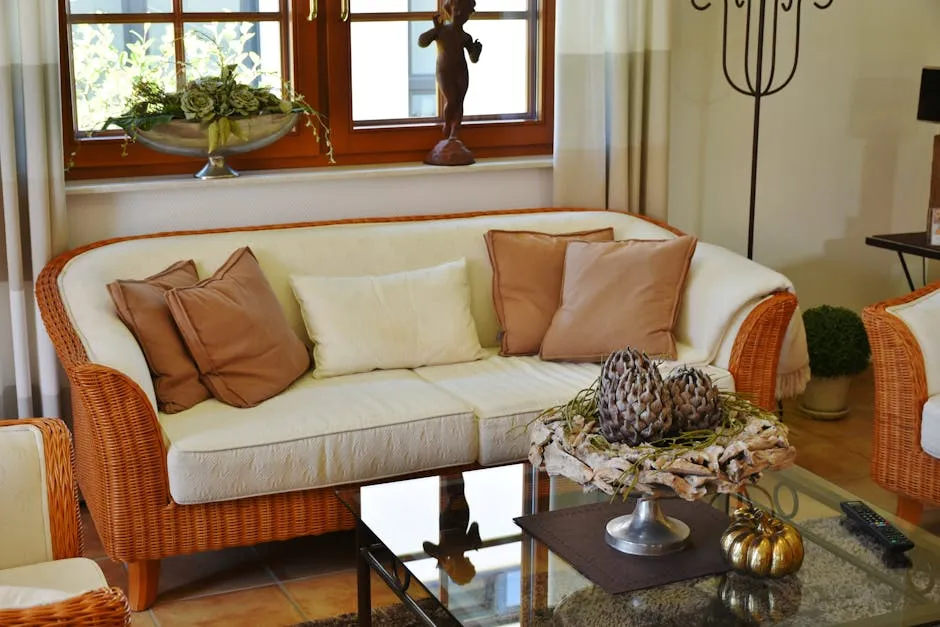
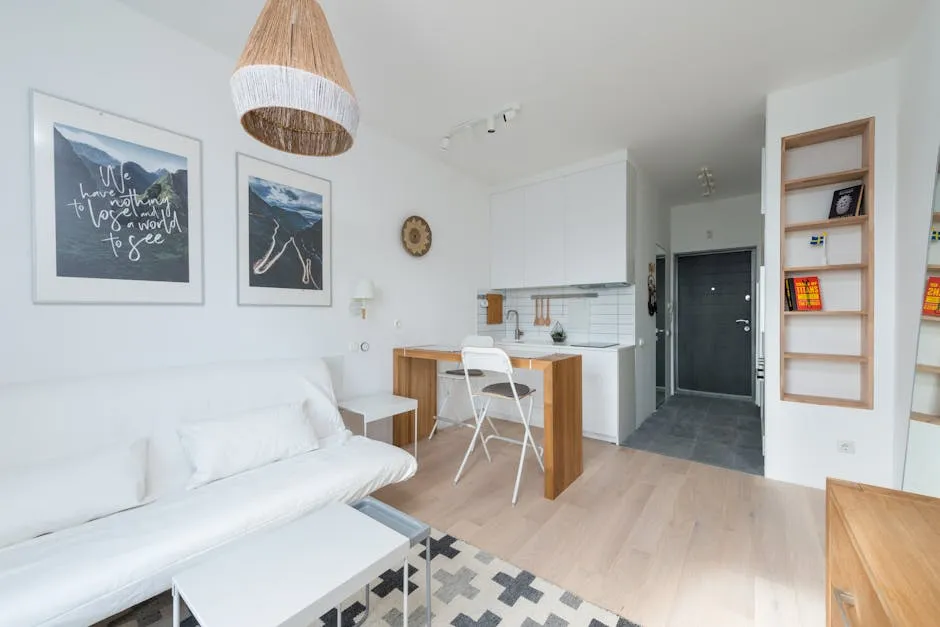
In terms of color, lighter hues can help to open up a space, while darker shades tend to absorb light, making a room feel smaller. Incorporating various textures can also add depth without the need for bold colors. For instance, a light gray sofa paired with a chunky knit throw and a velvet pillow can create a visually interesting focal point without overwhelming the space.
Layout Strategies: Making the Most of Your Space
Once you’ve selected your furniture, the next step is arranging it effectively. The layout can dramatically affect the functionality and flow of your small living room.
Creating Zones
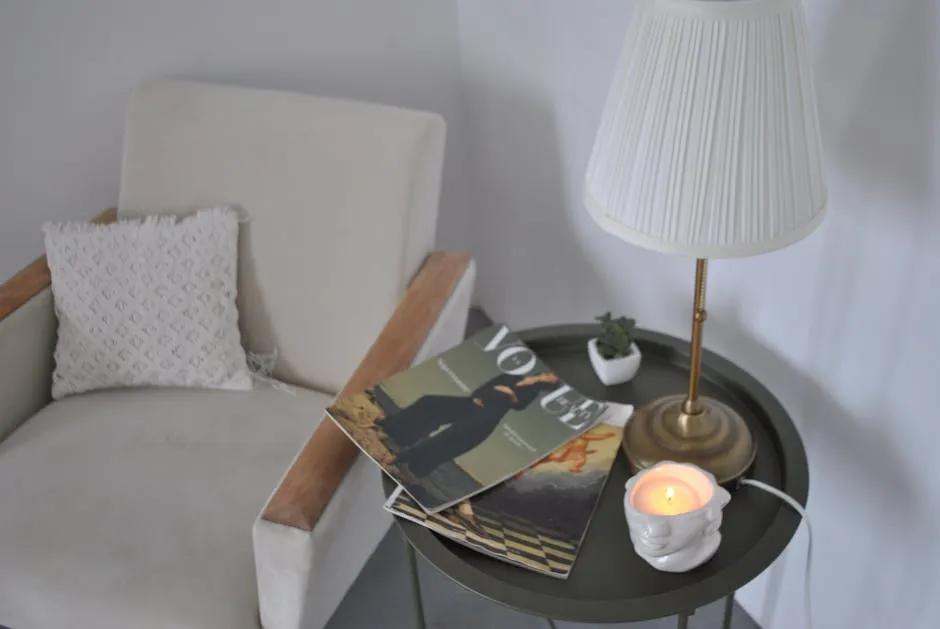
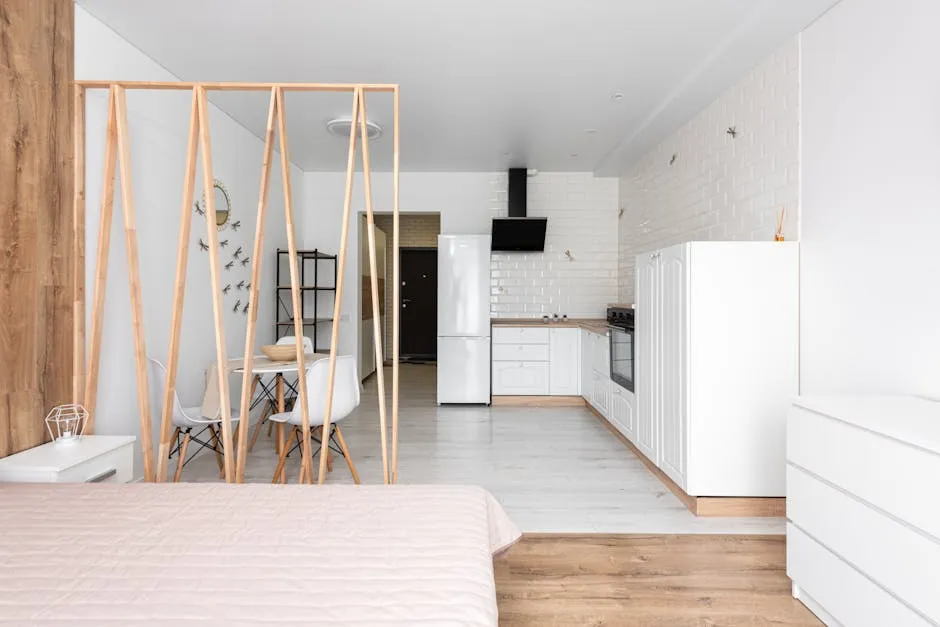
In a small living room, creating distinct zones can enhance both style and utility. For example, an area rug can delineate a seating area, while a side table can provide a spot for drinks or books. By defining these spaces, you can make your living room feel more organized and inviting.
Floating Furniture
Instead of pushing all furniture against the walls—a common mistake in small spaces—consider floating your sofa in the center of the room. This approach can improve traffic flow and create a more intimate setting. Ensure there is enough space (at least 18 inches) between the sofa and the coffee table for easy navigation.
When to Compromise on Style for Function
While style is undoubtedly important, there are moments when function should take precedence, especially in small living rooms that serve multiple purposes. For instance, if your living room doubles as a workspace, prioritize a desk that fits seamlessly into your existing layout.
In practice, I once worked with a couple who needed their small living room to function as both a social gathering space and a work area. We opted for a sleek desk that could be tucked away when not in use, paired with a stylish chair that complemented their existing decor. This compromise allowed them to maintain their aesthetic while ensuring functionality.
Limitations and Considerations
Despite these strategies, it’s important to acknowledge that not every piece of advice will apply universally. Some layouts may not allow for the ideal arrangement of furniture, and certain styles might clash with your personal taste. Always consider your lifestyle and preferences—what works for one family may not suit another.
Additionally, keep in mind that smaller furniture can sometimes sacrifice comfort. For example, a sleek chair might look great but may not provide the necessary support for long periods. Test pieces before committing to ensure they meet your comfort needs.
Ultimately, navigating furniture choices for small living rooms involves balancing aesthetics with functionality. By understanding your space, weighing the pros and cons of various options, and applying thoughtful layout strategies, you can create a stylish yet practical living area that feels both inviting and functional.