
Small living rooms often present a unique challenge. They must serve multiple purposes while feeling inviting, cozy, and functional. As the sun sets, your living room should not just transform in ambiance but also in usability. This duality is crucial for maximizing the potential of your space, especially when you have limited square footage. So how do you design a small living room that can easily transition from a bright, energetic daytime hub to a warm, relaxing evening retreat?
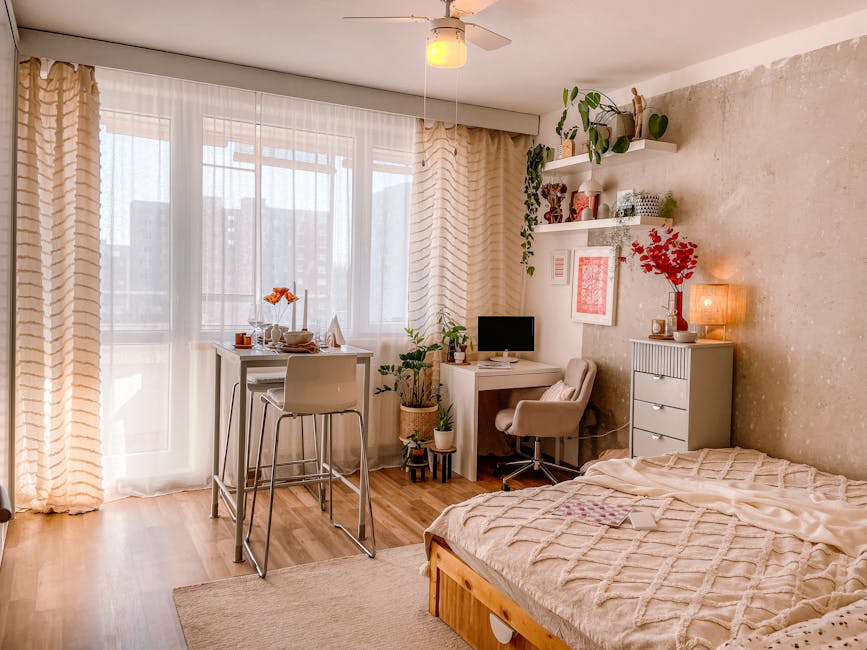
Understanding the Basics of Multifunctional Design
The first step in creating a versatile small living room is to understand the principles of multifunctional design. This approach emphasizes using furniture and decor that can adapt to different needs throughout the day. For example, a coffee table that doubles as a storage unit or a sofa bed can dramatically enhance the functionality of your living area.
In practice, think about how you use your space. During the day, your living room may serve as a play area for children or a workspace for remote tasks. In the evening, it transforms into a social gathering spot. Identifying these specific functions will help guide your design decisions.
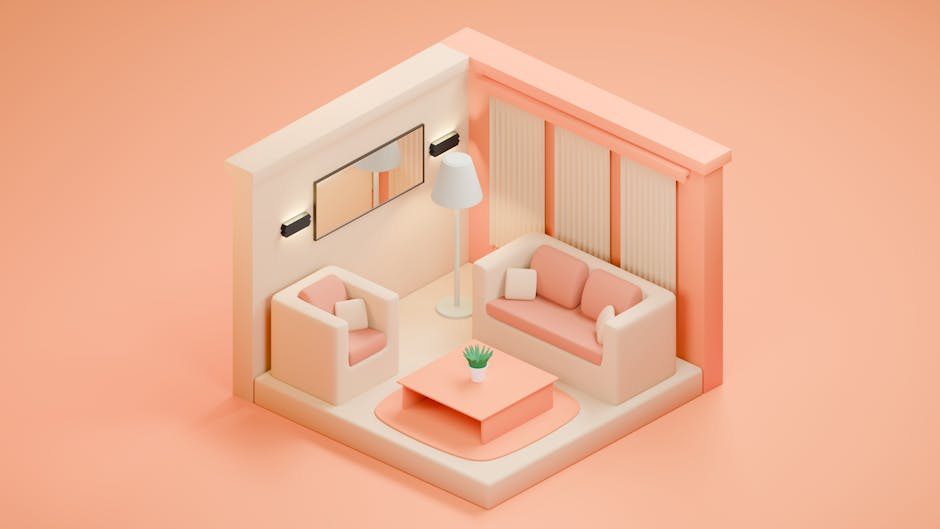
Lighting: The Key to Day-to-Night Transformation
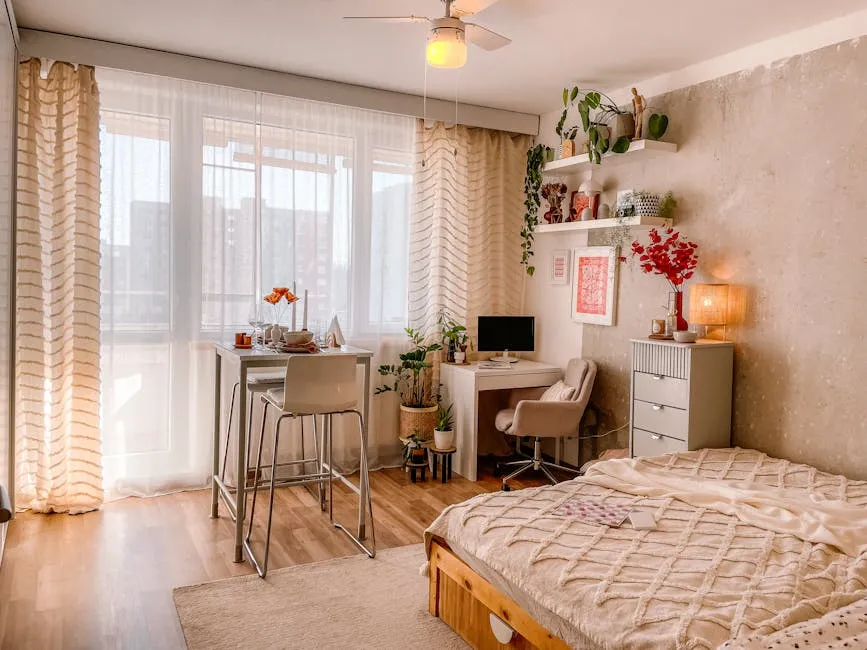
Lighting plays a pivotal role in transitioning your living room from day to night. Natural light is your ally during daytime hours; maximize it by using sheer curtains or strategically placing mirrors to reflect light. However, as daylight fades, you'll need to create an inviting atmosphere.
Layered lighting is essential. Incorporate a mix of ambient, task, and accent lighting. For instance:
- Ambient lighting: Use ceiling fixtures or wall sconces to provide general illumination.
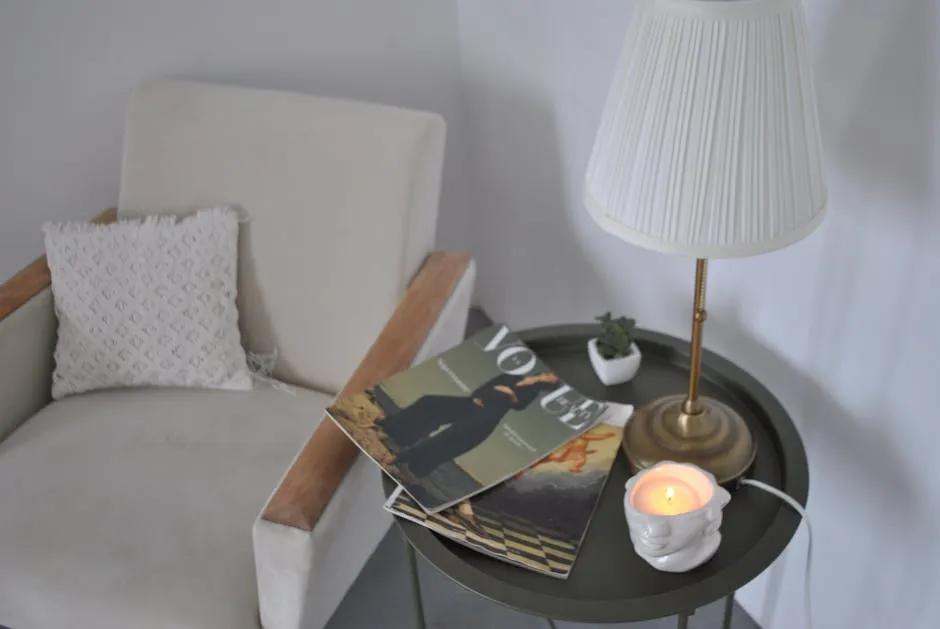
- Task lighting: Add table lamps or floor lamps for reading or working.
- Accent lighting: Use dimmable LED strips along shelves or behind furniture to create a cozy vibe.
Consider using smart bulbs that can switch from bright white light to warm tones, allowing you to adjust according to the time of day or occasion.
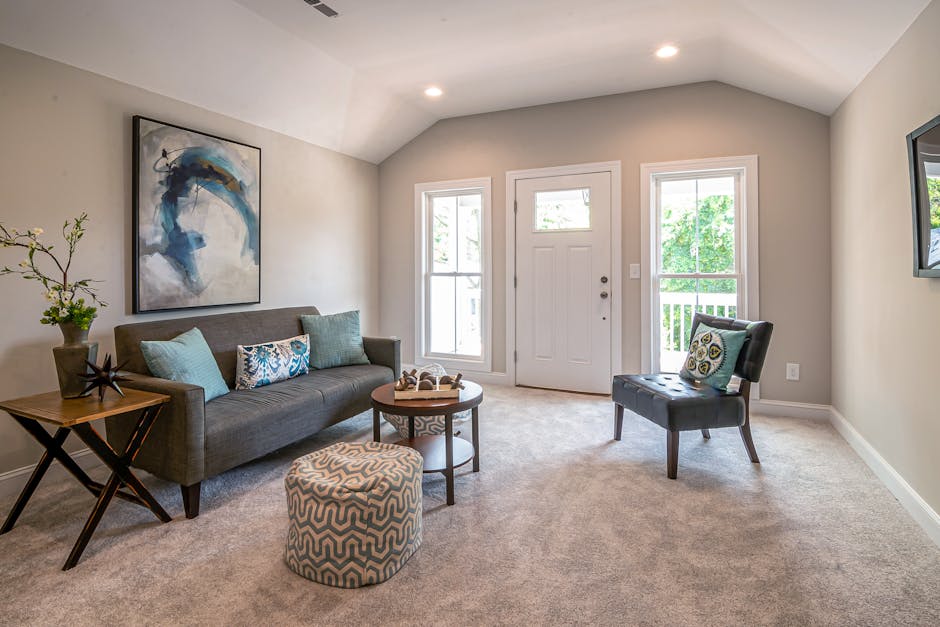
Choosing Versatile Furniture
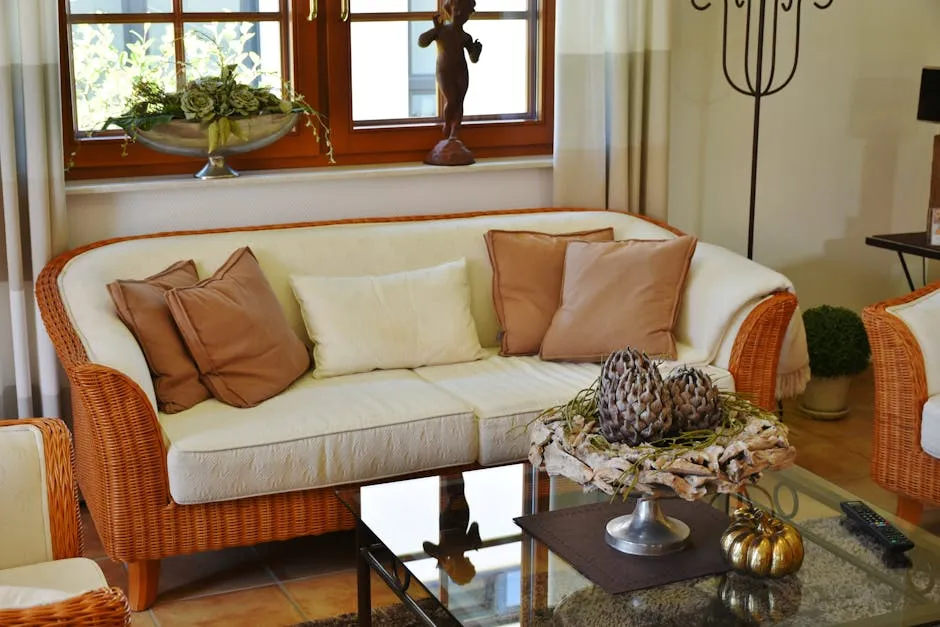
When selecting furniture for a small living room, versatility is key. Furniture should not only be visually appealing but also functional. Modular sofas, for example, can be rearranged to suit different activities, whether it’s hosting guests or enjoying a quiet evening alone. Look for pieces that can serve multiple purposes.
For example, an ottoman can function as a coffee table, additional seating, or storage. A foldable dining table can be tucked away when not in use, freeing up space for activities like yoga or playtime.
Color and Texture: Setting the Mood
The color palette you choose can significantly influence the atmosphere of your living room. Lighter colors can make a small space feel larger and airier during the day, while darker, richer hues can create a cozy ambiance in the evening.
Consider using a neutral base, such as soft grays or creams, accented with bolder colors through cushions, art, or throws. Textures also play a role in mood setting; soft textiles can evoke warmth and comfort, while sleek surfaces can enhance a modern aesthetic.
Creating Zones for Different Activities
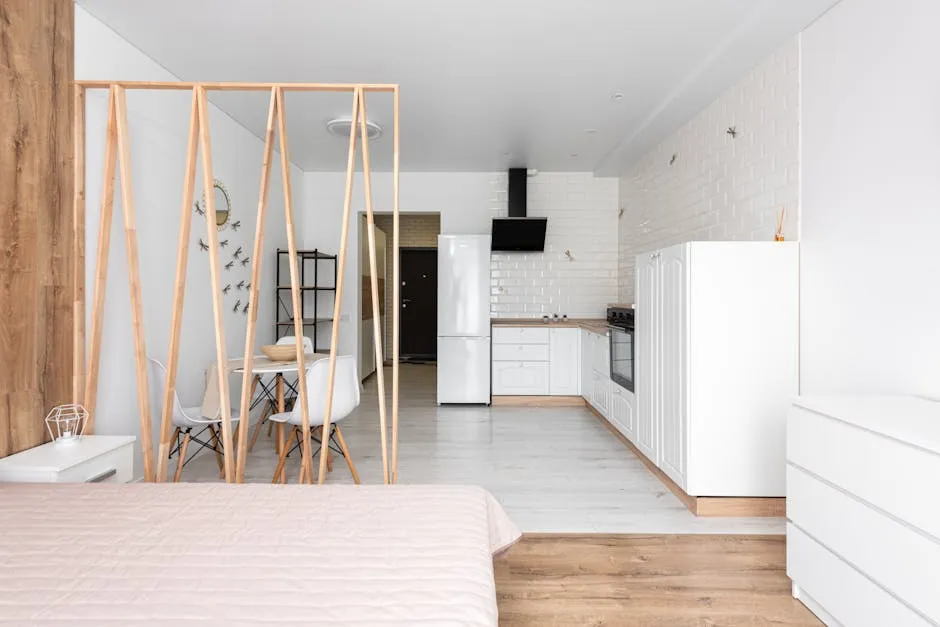
Even the smallest living rooms can benefit from defined zones, which help to segment the space for various activities. Use furniture placement and area rugs to visually divide the room. For example, a rug can mark a sitting area for socializing, while a small desk in the corner can indicate a workspace.
Creating these zones can also facilitate a smoother transition from day to night. During the day, the workspace can be the focal point, while in the evening, you might rearrange seating to face each other for casual conversation.
Integrating Technology Thoughtfully
Modern living often involves technology, and integrating it into your small living room design can enhance both functionality and ambiance. Smart home devices can help control lighting and even adjust the temperature to create a comfortable environment as the day transitions into night.
However, it's essential to integrate technology thoughtfully to avoid clutter. Conceal wires and use furniture designed to accommodate devices discreetly. For instance, a media console that houses your entertainment system can keep the space looking clean and organized.
Frequently Asked Questions
Consider multi-functional pieces like a sofa bed, a coffee table with storage, or nesting tables that can be easily stowed away. These options maximize utility without overwhelming the space.
Use warm colors, soft lighting, and comfortable textiles. Incorporating personal touches like artwork or family photos can also create a welcoming atmosphere.
Avoid overcrowding the space with oversized furniture or too many decorations. Stick to a few key pieces that serve multiple functions to maintain an open feeling.
Yes, dark colors can create a cozy vibe. However, balance them with adequate lighting and lighter accents to prevent the space from feeling cramped.
Choose smaller plants or hanging options to save floor space. Utilizing wall planters or shelving can also help bring greenery into the room without sacrificing functionality.