

Designing a small living room that caters to multiple generations can feel like an uphill battle. With varying needs, tastes, and activities, achieving a harmonious space is a challenge many families face. Whether it’s a cozy nook for grandparents or an engaging play area for young children, the struggle to create a versatile yet inviting environment often leads to compromises that leave everyone a bit dissatisfied.

Understanding the Needs of Different Generations
To start, it’s essential to identify the specific needs and preferences of each generation in your household. For instance, grandparents might prioritize comfort and easy accessibility, while children may need open space for play and creativity. Understanding these varying needs will inform your design choices significantly.
Analyzing Common Requirements
While each family's dynamics are unique, some common requirements often emerge. For example:
- Comfort: Older adults often require supportive seating, while younger family members may prefer casual, flexible options.
- Accessibility: Ensure that pathways are clear and furniture is arranged to allow easy movement, particularly for those with mobility challenges.
- Multi-functionality: A space that serves multiple purposes—like a living area that doubles as a playroom—will maximize utility.
Flexible Furniture Solutions
Choosing the right furniture is pivotal in creating a flexible living space. Opt for pieces that can adapt to various activities and accommodate different age groups. Here are practical solutions:
Modular Sofas and Seating
Invest in modular or sectional sofas that can be reconfigured based on the gathering's needs. This allows you to easily adjust seating arrangements for family movie nights or social gatherings. Additionally, consider ottomans or poufs that can serve as both seating and footrests, making them ideal for relaxation or informal gatherings.
Multi-Purpose Furniture
Incorporate coffee tables with storage or convertible furniture that can transition from a table to a game surface. A table that can expand for dining or fold down for more room when not in use can be invaluable in a small living room setup.

Creating Zones for Different Activities
Employ zoning techniques to delineate different areas within your small living room. This approach not only organizes the space but also caters to the distinct activities of various family members.
Defining Spaces
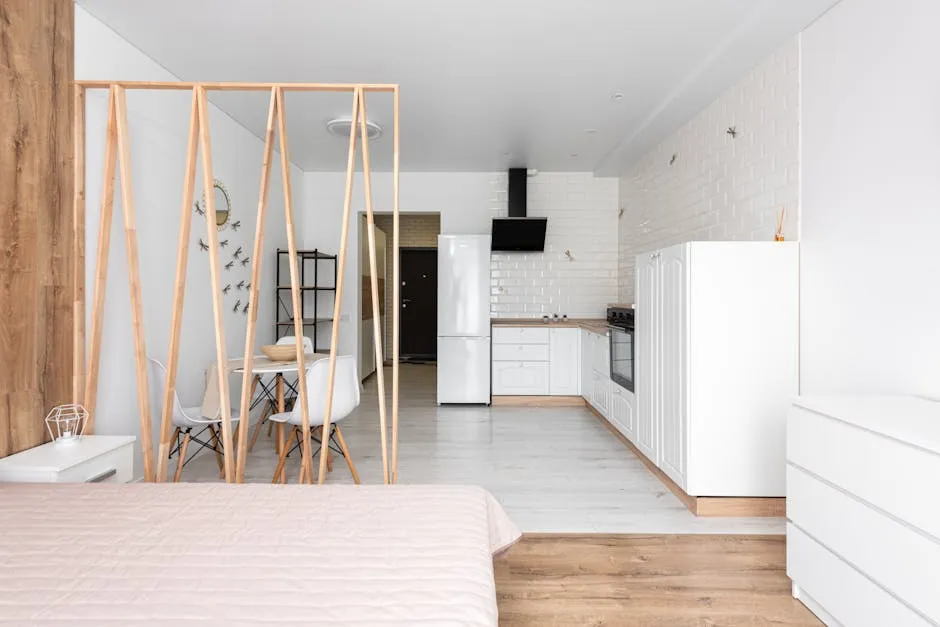
Using area rugs can help define zones, making it clear where one activity ends and another begins. For example, a soft rug in one corner can signify a cozy reading nook, while an open area can serve as the play zone for younger children. This creates a visual separation without the need for physical barriers.
Utilizing Vertical Space
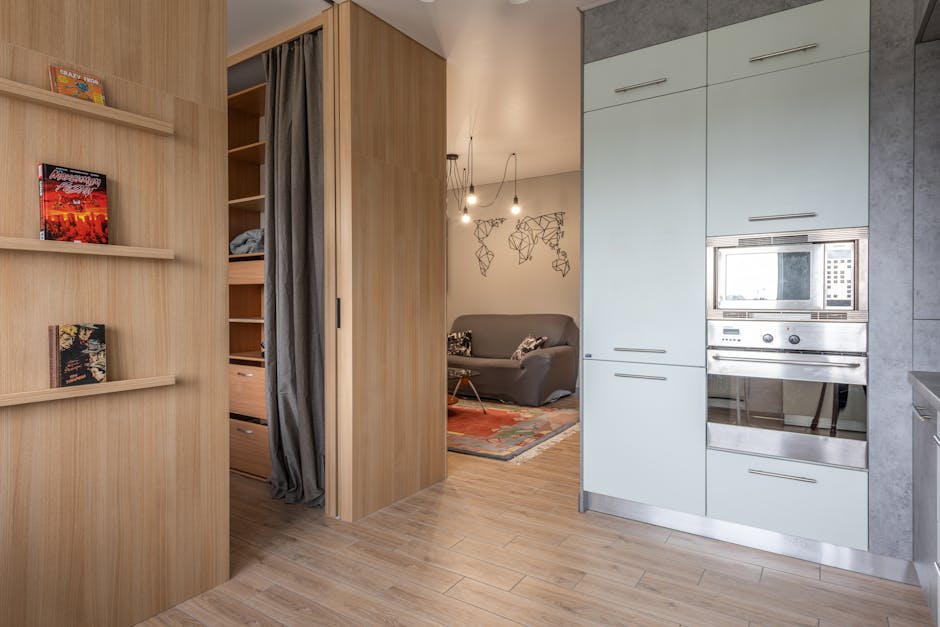
Vertical storage solutions can play a crucial role in maximizing floor space. Wall-mounted shelves or cabinets can provide storage for toys, books, or games while keeping the floor clear for activities. This is particularly useful in multi-generational households where clutter can quickly accumulate.
Color and Decor Considerations
Choosing the right color palette and decor can enhance the overall atmosphere of your small living room. Lighter hues can make a space feel larger, while a well-placed accent wall can add character without overwhelming the senses.
Incorporating Personal Touches
Incorporate personal items or family photos into the decor to create a warm and inviting environment. Gallery walls can be an excellent way to showcase memories, making the space feel more lived-in and personal. However, be mindful of clutter; choose a few standout pieces rather than overcrowding the walls.
Whimsical Elements for Kids
Do not shy away from adding playful elements that resonate with younger family members. Bright colors or fun patterns can be incorporated through throw pillows, artwork, or even furniture. Just ensure that these elements can be easily swapped out or removed as tastes change.
Practical Setup Steps for Immediate Implementation
Implement the following actionable recommendations to begin transforming your small living room today:
- Declutter: Start by removing items that no longer serve a purpose. This will create an immediate sense of space.
- Measure Your Space: Understanding your room's dimensions will guide your furniture selection and arrangement.
- Test Different Layouts: Use painter’s tape to outline potential furniture arrangements on the floor to visualize the space before making any purchases.
- Shop for Flexibility: Prioritize multi-functional and modular furniture during your next shopping trip.
Frequently Asked Questions
Utilize mirrors, light colors, and adequate lighting to create an illusion of space. Additionally, keep the layout open and avoid overcrowding with excessive furniture.
Look for sturdy, comfortable pieces that offer flexibility, such as sectional sofas and multi-purpose tables that can adapt to various uses.
Choose a unified color palette or style that ties all elements together while allowing for personal touches from each family member.
Avoid oversized furniture and heavy drapery that can overwhelm the space. Instead, opt for light, airy fabrics and properly scaled furniture.
Consider refreshing decor every season or when you notice a need for change. Small updates can keep the space feeling fresh without major overhauls.