
Small living rooms can be both a challenge and a delight. While they offer a cozy space for relaxation and socializing, they often come with the potential for feeling cramped or cluttered. Many homeowners unknowingly make design choices that exacerbate this issue, turning a snug area into one that feels claustrophobic. Understanding the common pitfalls and how to correct them can transform your living space into a more open, inviting environment.
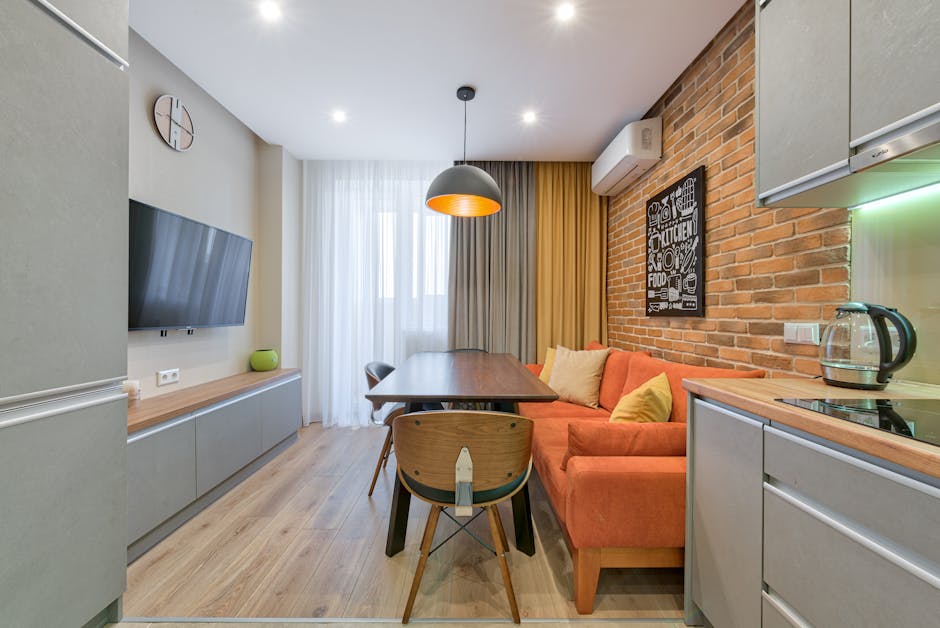
Understanding the Importance of Space Perception
Before diving into solutions, it's essential to grasp how space perception works in small living rooms. The way furniture is arranged, the colors chosen, and even the lighting can significantly affect how spacious a room feels. By addressing these design elements, you can create a more airy atmosphere.
Common Design Mistakes and Their Solutions
Here’s a look at some prevalent issues that can make a small living room feel even smaller, along with practical fixes for each:
1. Overstuffed Furniture
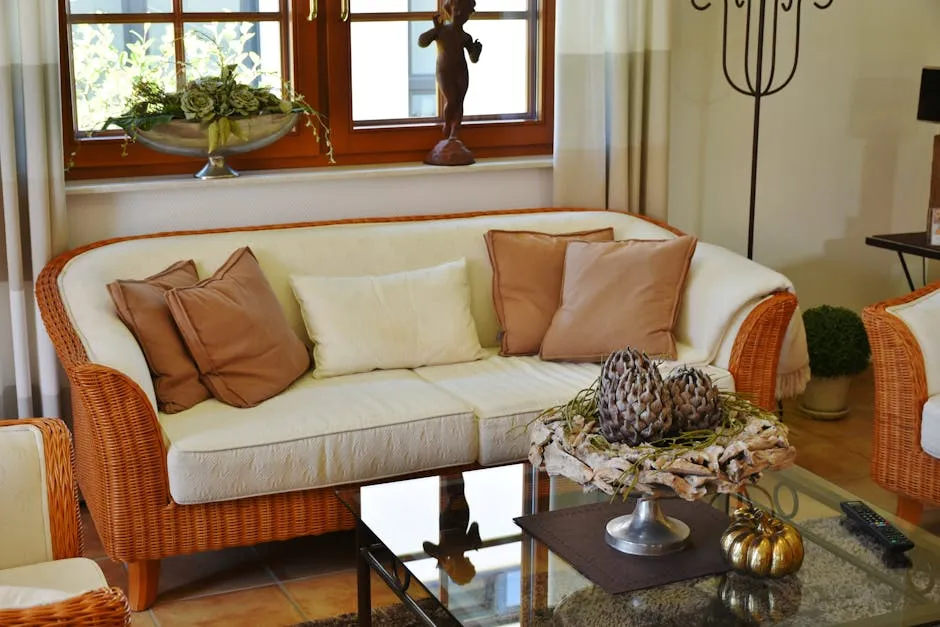
Choosing oversized furniture is one of the most common mistakes in small living room design. A large sofa or bulky armchairs can dominate the space, making it feel cramped and uninviting.
- Solution: Opt for smaller-scale furniture. Look for sleek, low-profile sofas and chairs that can fit the space without overwhelming it. Consider multi-functional pieces, such as ottomans that double as storage or a coffee table that can expand when needed.
2. Poor Layout Choices
Arranging furniture without considering flow can lead to a congested atmosphere. A layout that blocks pathways or clusters furniture tightly together can create an uncomfortable environment.
- Solution: Experiment with different layouts. Aim for a configuration that promotes easy movement and conversation. Placing seating against the walls can free up central space, making the room feel larger. A concrete scenario might involve moving a sofa away from a corner and creating a more open seating area.
3. Cluttered Surfaces
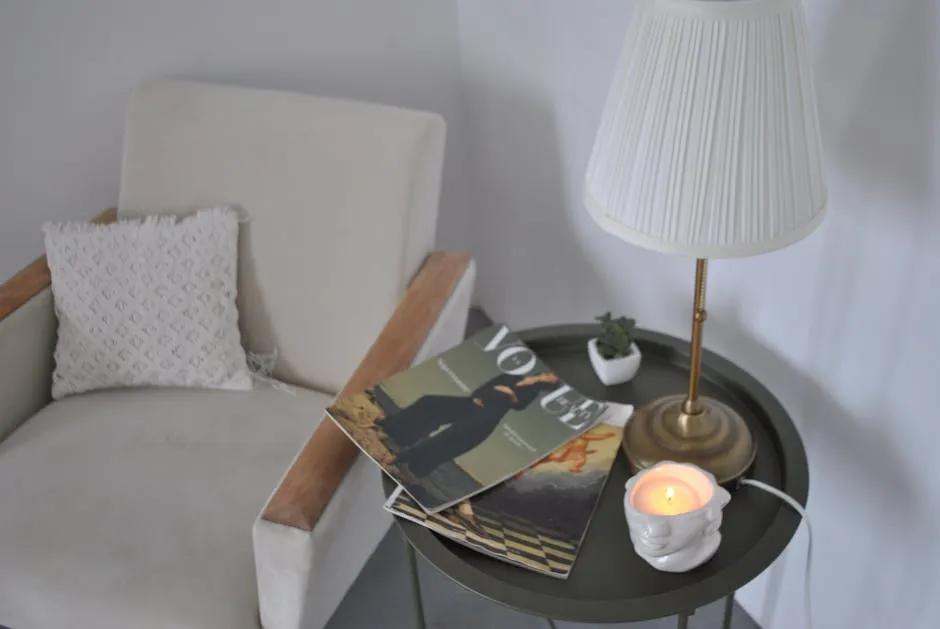
Excessive decor and items strewn about can make your living room feel chaotic. While personal touches are essential, too many knick-knacks can evoke a sense of clutter.
- Solution: Adopt a minimalist approach. Keep surfaces clear and choose a few statement pieces to showcase. Implement storage solutions such as decorative baskets or shelves to keep items organized and out of sight.
4. Dark Color Palettes
While darker colors can create a cozy atmosphere, they can also make a small room feel even more confined. A room painted in deep hues may absorb light rather than reflect it.
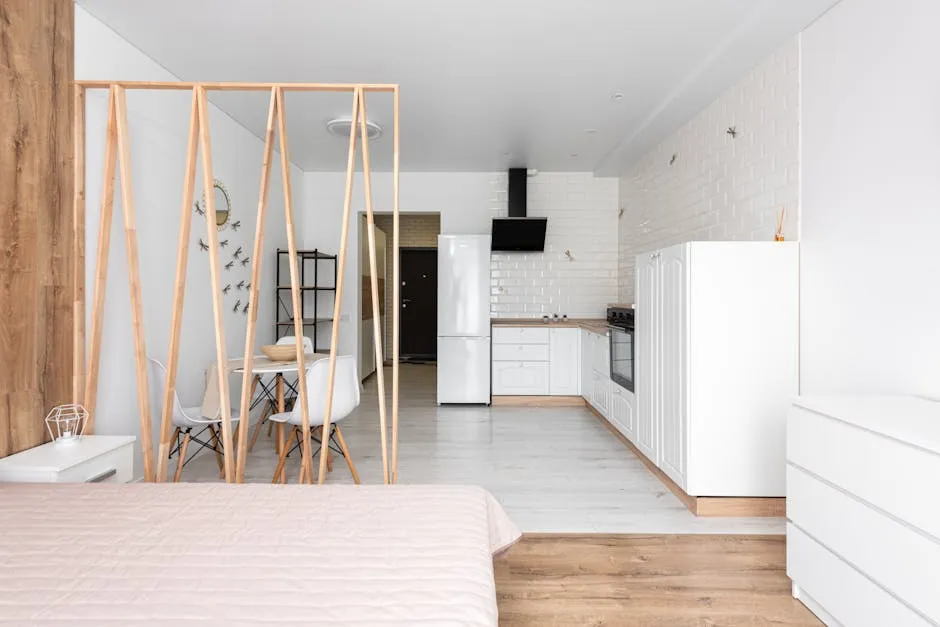
- Solution: Lighten up your color scheme. Opt for soft, neutral tones or light pastels that can enhance brightness and create an illusion of space. For a pop of color, consider using decorative accessories that can be easily changed out.
Comparing Lighting Options: Natural vs. Artificial
Lighting plays a crucial role in how a space is perceived. Poor lighting can make even the most well-decorated small living room feel cramped. Here’s a comparison of natural and artificial lighting options:
| Lighting Type | Pros | Cons |
|---|---|---|
| Natural Light | Enhances openness, provides warmth, and is energy-efficient. | Dependent on time of day and weather; may require window treatments for privacy. |
| Artificial Light | Offers control over brightness, can highlight specific areas, and ensures usability at all times. | Can create shadows and may require multiple sources to be effective. |
When possible, maximize natural light by using sheer curtains or blinds that allow sunlight to filter through. For artificial lighting, consider layered lighting solutions, combining ambient, task, and accent lighting to create a well-lit and inviting space.
Choosing the Right Accessories
Accessories can either enhance or detract from the feel of your living room. The right choices can create visual interest without overwhelming the space. Here are some strategies:
- Mirrors: Strategically placed mirrors can reflect light and give the illusion of depth. Consider hanging a large mirror opposite a window to maximize this effect.
- Rugs: A well-placed area rug can define spaces within a small living room. Choose a rug that fits the seating area without overwhelming the floor space.
- Artwork: Instead of filling walls with numerous small pieces, select one or two larger artworks to create a focal point, drawing the eye without cluttering the space.
Final Thoughts on Small Living Room Design
Transforming your small living room into a comfortable, inviting space is entirely achievable with the right approach. By identifying common mistakes such as oversized furniture, poor layout choices, and cluttered surfaces, you can implement effective solutions that enhance both functionality and aesthetics.
Whether you choose to lighten up your color palette, maximize natural light, or curate your accessories with intention, each step brings you closer to a spacious-feeling living room. Remember, the goal is to create a space that feels open and welcoming while reflecting your personal style.