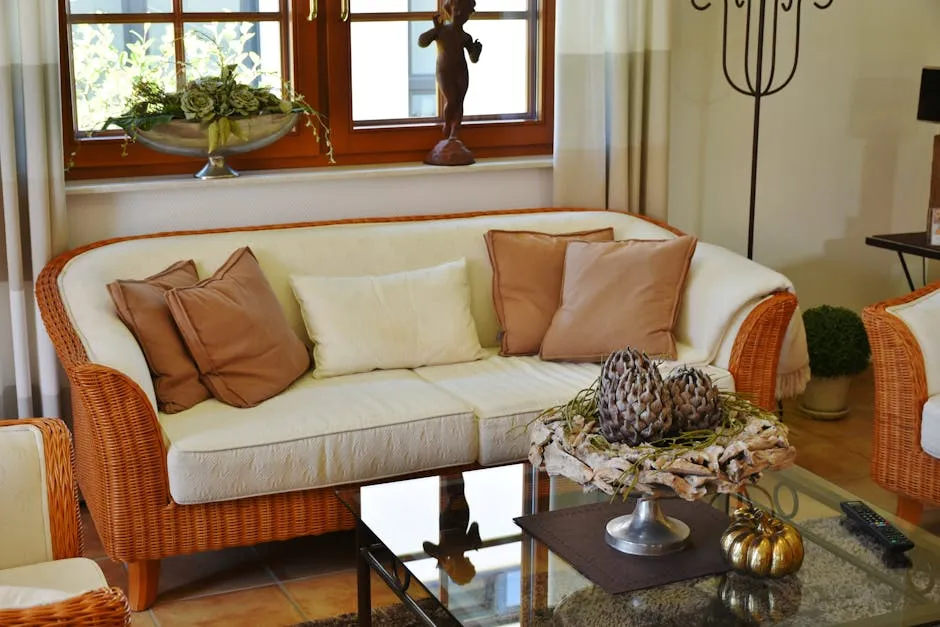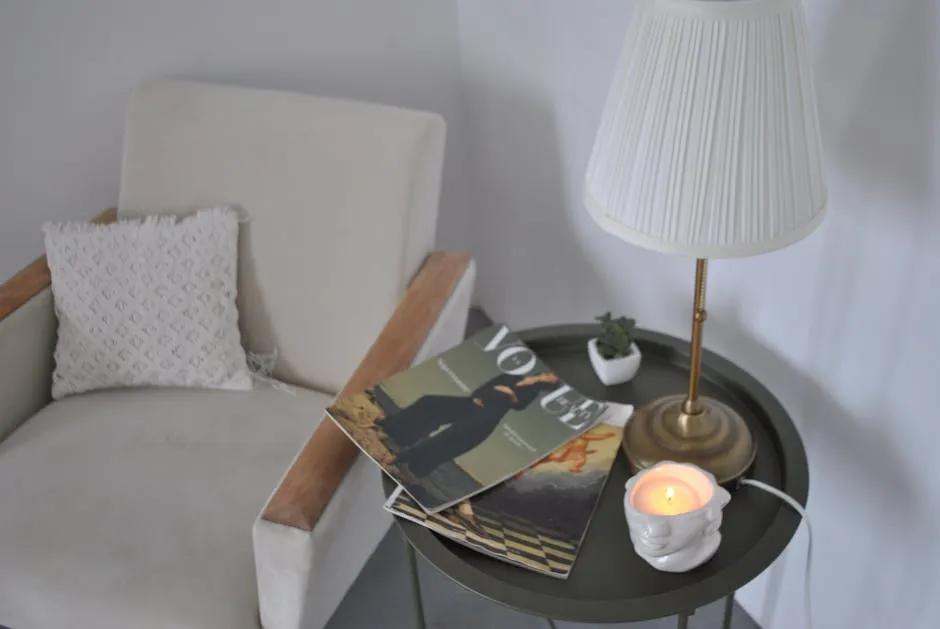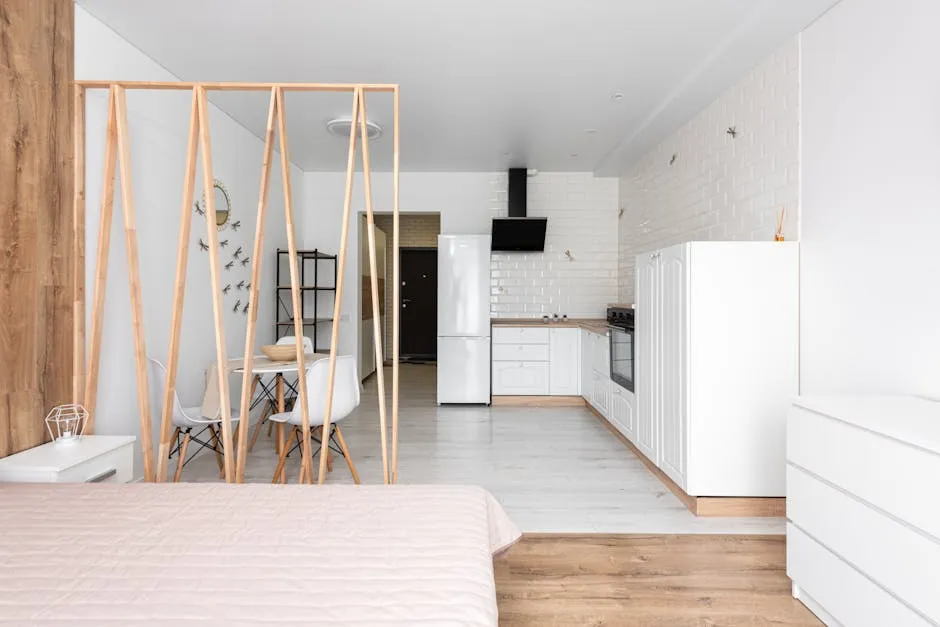

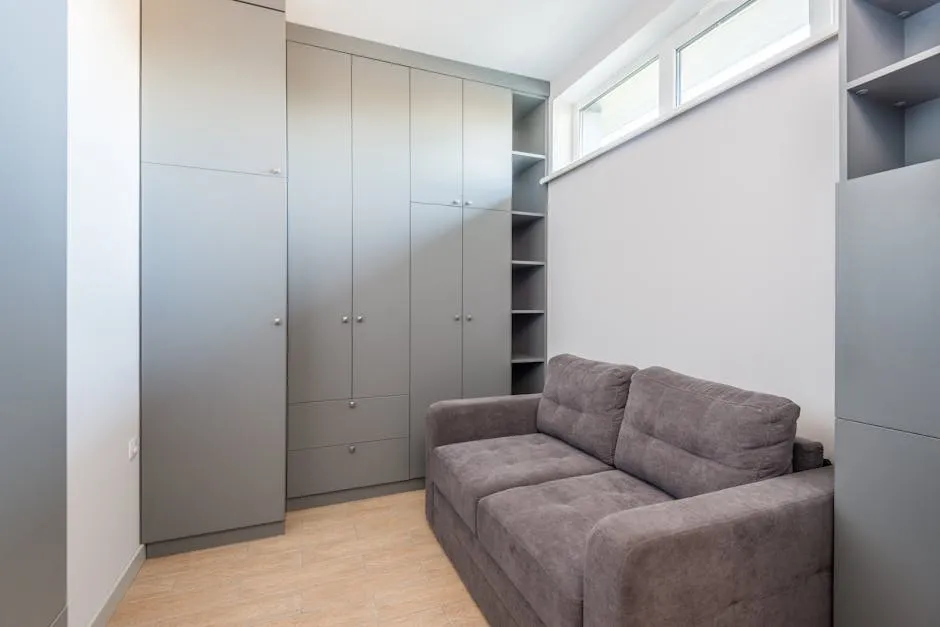
Small living rooms often present unique challenges. Awkward layouts can disrupt the flow and functionality of the space, making it difficult to create a cozy atmosphere. Instead of feeling like a sanctuary, these areas can end up as cluttered and uncomfortable. But with some intentional design choices and practical adjustments, you can turn your small living room into a welcoming retreat.
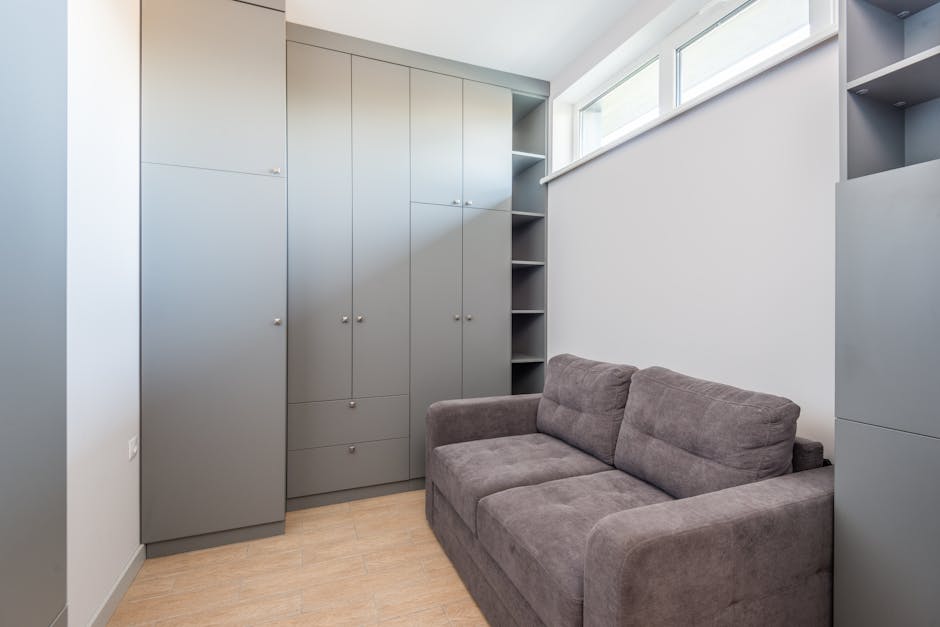
Understanding Your Space: Assessing Awkward Layouts
Every small living room has its own quirks, from odd-shaped corners to misplaced windows. The first step in transforming your space is to thoroughly assess its layout. Take note of the following:
- Traffic Flow: Observe how people move through the space. Are there barriers that disrupt the natural flow, such as large furniture pieces blocking pathways?
- focal points: Identify the focal points in the room, like a fireplace, a large window, or a piece of artwork. These elements can guide your arrangement.
- Proportions: Consider the scale of your furniture relative to the size of the room. Oversized pieces can overwhelm an area, while too-small items can feel lost.
In practice, measuring your room and the furniture can help you visualize how best to arrange the space. A well-known design principle is the Goldilocks Rule—everything should be “just right.” This means finding pieces that fit comfortably without crowding the room.
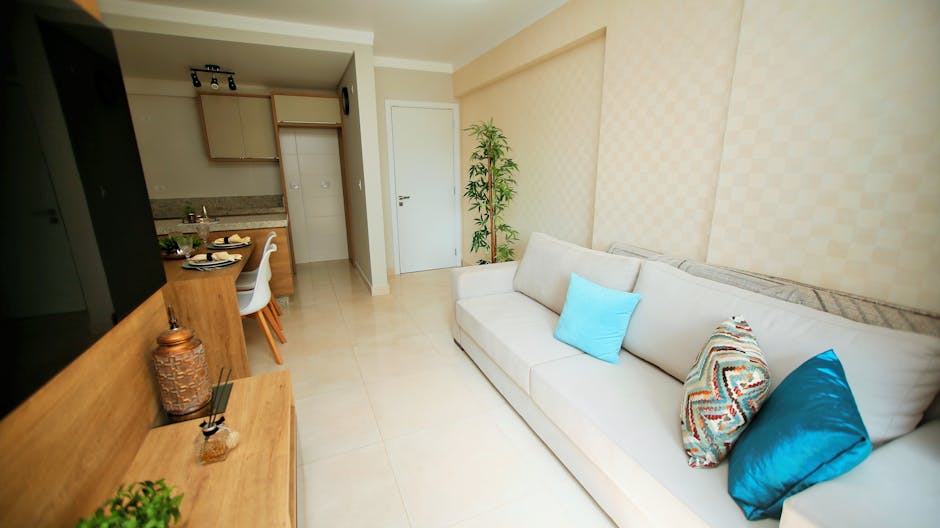
Choosing the Right Furniture: Prioritizing Functionality
When it comes to small living rooms, functionality should take precedence over aesthetics. Opt for furniture that serves multiple purposes. For example, a coffee table with storage can reduce clutter while providing a surface for drinks and decor. Similarly, consider:
- Modular sofas: These can be rearranged based on your needs, allowing for flexibility in seating arrangements.
- Foldable furniture: Items such as drop-leaf tables or folding chairs can be tucked away when not in use, freeing up valuable space.
- Built-ins: Custom shelving or cabinets can maximize vertical space, offering storage without taking up floor area.
One actionable recommendation is to visit a furniture rental showroom. This allows you to experiment with different layouts before making a purchase, ensuring you select items that fit both your style and your space.
Color and Lighting: Creating an Inviting Atmosphere
The colors and lighting in your small living room significantly impact its mood. Lighter colors can make a space feel larger, while warm tones can create a cozy ambiance. Here’s how to effectively use color and lighting:
- Wall Colors: Choose light, neutral tones for the walls to reflect light and open up the space. Consider an accent wall in a deeper hue to add depth without overwhelming the room.
- Lighting Layers: Incorporate various light sources—overhead fixtures, floor lamps, and table lamps—to create a warm, inviting atmosphere. Dimmer switches can enhance the mood, allowing you to adjust lighting based on the time of day or activity.
- Mirrors: Strategically place mirrors to reflect light and create the illusion of more space. This trick can effectively enhance the overall brightness of a small room.
As an expert tip, selecting a cohesive color palette across furniture, decor, and walls can unify the space. For example, a palette of warm whites, soft grays, and muted earth tones can evoke a sense of tranquility and comfort.
Accessorizing Wisely: Adding Personal Touches Without Clutter
Accessories are essential for personalizing your small living room, but they can also contribute to visual clutter if not chosen wisely. Here are some tips to enhance your space with accessories:
- Focus on a few key pieces: Instead of crowding surfaces with knick-knacks, select a few meaningful items that reflect your personality.
- Vertical Decor: Utilize wall space for decor, such as shelving or artwork, to draw the eye upward and create the illusion of height.
- Textiles: Layering different textures with cushions, throws, and rugs can add warmth and comfort. Opt for light fabrics to keep the space airy.
In practice, rotating accessories seasonally can keep the space feeling fresh without needing to buy new items. This approach allows for a dynamic environment that evolves with your lifestyle.
Functional Layouts: Arranging for Comfort and Utility
The layout of your small living room plays a crucial role in its comfort and usability. Here are strategies for creating a functional layout:
- Zone the space: If your living room serves multiple purposes, consider zoning. Use rugs to define areas, such as a reading nook or a conversation area.
- Prioritize seating: Arrange seating to promote conversation. A circular arrangement encourages interaction, while traditional layouts can make the space feel more formal.
- Keep pathways clear: Ensure there’s enough space to move comfortably. A general rule is to maintain at least 24 inches of clearance around furniture.
One real-world scenario involved a couple transforming their narrow living room into a multifunctional space. By repositioning their sofa against the longest wall and incorporating a slim console table behind it, they created a cozy conversation area while leaving ample room for movement.
Frequently Asked Questions
Incorporate light colors for walls and furniture, use mirrors strategically, and keep decor minimal. This will create an open and airy feel.
Avoid oversized furniture that overwhelms the space. Additionally, steer clear of bulky armoires or heavy coffee tables that can block pathways.
Yes, consider mounting the TV on the wall or using a slim media console to keep the floor space open. Aim for a layout that allows for comfortable viewing without crowding.
Use vertical planters or wall-mounted pots to save floor space. Small pots on shelves or windowsills can also add greenery without overwhelming the area.
Implement storage solutions like baskets or stylish boxes to hide clutter. Regularly declutter and reassess your belongings to maintain a tidy environment.