
Understanding the Dimensions of Hospitality
Creating a welcoming atmosphere in your small living room is not just about aesthetics; it’s a blend of comfort, functionality, and warmth. In spaces where every inch counts, how you arrange furniture, choose colors, and incorporate personal touches can transform the feel of the room. This guide will walk you through practical steps to make your living room inviting for guests, even with the constraints of limited space.
1. Assessing Your Space
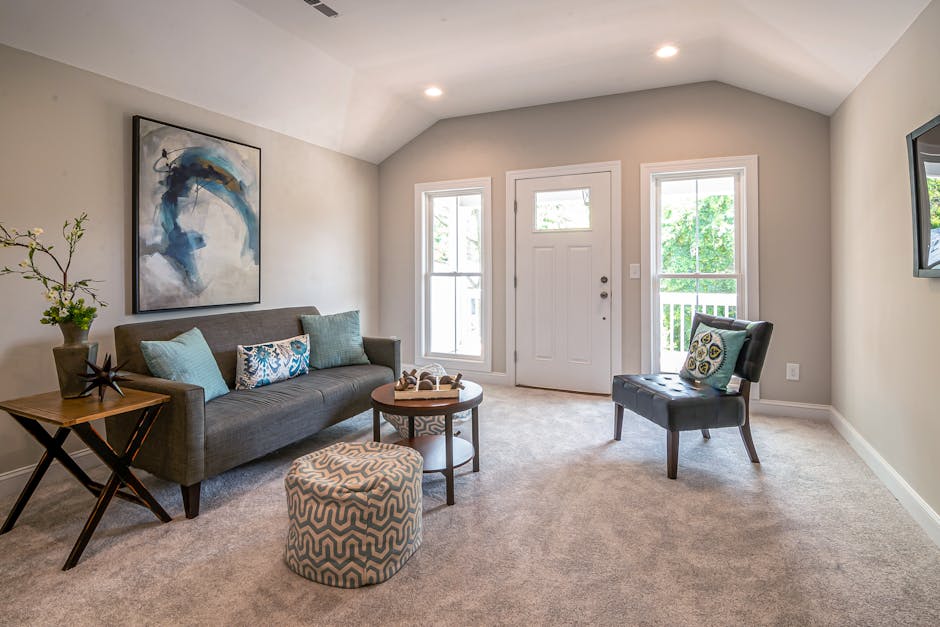
Before making any changes, take a moment to analyze your living room. Measure the dimensions and note the locations of windows, doors, and electrical outlets. Understanding the layout lays the groundwork for effective planning. For instance, if your living room is 10x12 feet, you’ll want to focus on maximizing the available space rather than overcrowding it.
Consider the flow of movement in the room. Is there a clear pathway from the entrance to seating areas? If not, this could hinder your guests' experience. Aim for at least 18 inches of walking space between furniture pieces to maintain a comfortable flow.
2. Choosing the Right Furniture
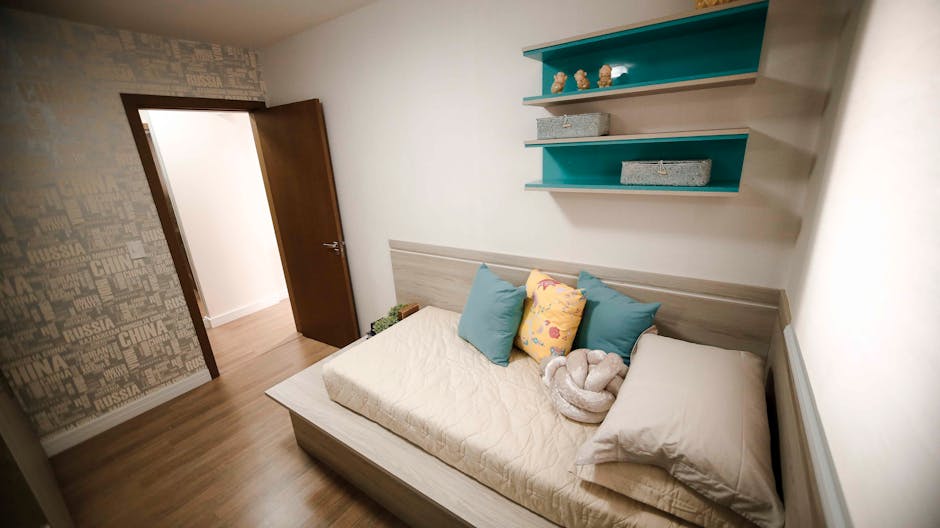
In a small living room, selecting furniture that serves multiple purposes is key. Look for pieces that can easily adapt to varying needs. Here are a few suggestions:
- Compact Sofas: Opt for a loveseat or a sectional that fits snugly against a wall, allowing for more open space.
- Ottomans: Choose ottomans that can double as coffee tables or extra seating. Some even offer storage options!
- Folding Chairs: These can be easily stored when not in use, providing flexibility during gatherings.
For a practical scenario, imagine hosting a small gathering of four friends. Instead of a bulky sofa, a sleek loveseat paired with two folding chairs can create a cozy and inviting arrangement without overwhelming the room.
3. Optimizing Layout for Interaction
The layout of your furniture significantly influences the comfort level of your guests. A conversational layout encourages interaction and makes guests feel more engaged. Here are some layout tips:
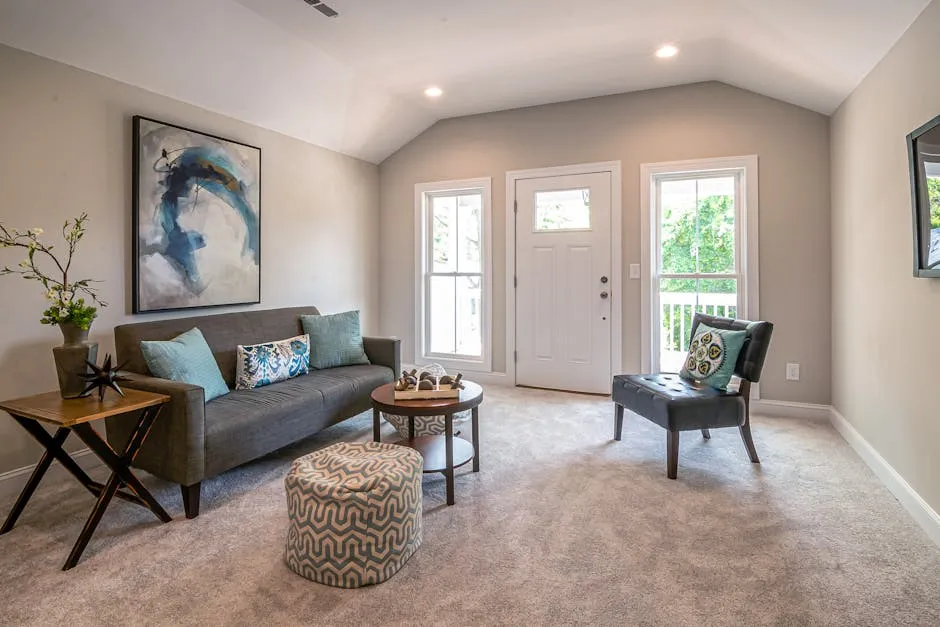
- Circle of Seating: Arrange seating in a circular or semi-circular fashion to promote conversation. This could involve placing your sofa and chairs facing each other.
- Anchor with a Rug: Use an area rug to define the seating area, which helps create a cozy nook within a larger space.
- Side Tables: Ensure there are accessible surfaces for drinks and snacks, ideally within arm's reach of all seating.
Practical constraint: In a smaller setup, you may find that moving furniture is challenging. To mitigate this, use lightweight or wheeled furniture that can be easily repositioned as needed.
4. Enhancing Ambiance with Decor
Once your furniture is in place, it’s time to add those personal touches that make a space feel warm and inviting. Here are some decor ideas:
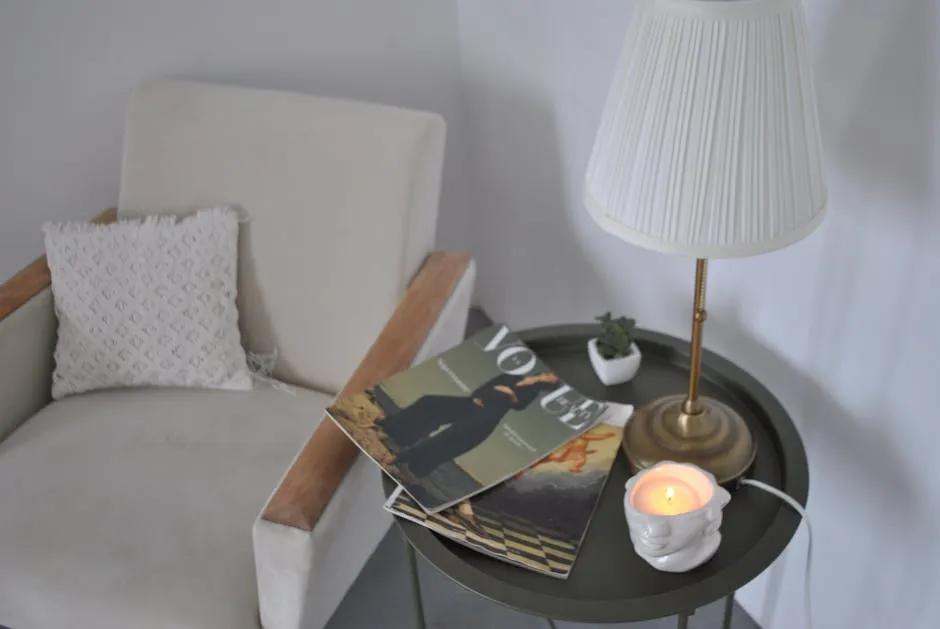
- Lighting: Use a mix of ambient, task, and accent lighting. Floor lamps and table lamps can add warmth and create a cozy atmosphere.
- Art and Personal Touches: Hang artwork or photographs that reflect your personality and invite conversation. Consider a gallery wall to add visual interest without taking up floor space.
- Plants: Incorporate greenery to add life to the room. Small potted plants or hanging planters can enhance the airiness of a small space.
By strategically placing these elements, you can create a cohesive look that welcomes guests and provides comfort.
5. Practical Fixes for Common Issues
Even with the best intentions, small living rooms can present challenges. Here are some common issues and actionable fixes:
- Clutter: Keep surfaces clear by implementing hidden storage solutions. Use decorative baskets or storage ottomans to tuck away items when guests arrive.
- Overly Thematic Decor: While personal touches are essential, avoid overly busy themes that can overwhelm the senses. Opt for a few key pieces that enhance, rather than dominate, the space.
- Temperature Control: Ensure your living room is comfortable by adjusting the thermostat or using fans. Cozy throws can also help guests feel warm and comfortable.
For instance, if clutter is a recurring problem, set up a quick “10-minute tidy” routine before guests arrive. This can include putting away stray items and fluffing pillows to create an inviting atmosphere.
Frequently Asked Questions
Use light colors for walls and furniture, and incorporate mirrors to create the illusion of depth. Additionally, avoid heavy drapes; opt for sheer curtains instead.
Multi-functional seating like loveseats, ottomans, and folding chairs work well, as they save space while providing comfort.
Focus on a few statement pieces, such as a unique piece of art or a brightly colored throw blanket, rather than overwhelming the space with multiple items.
Layered lighting is ideal. Combine overhead lighting with floor and table lamps to create a warm atmosphere that can be adjusted based on the occasion.
Your rug should be large enough to fit under the front legs of your furniture, creating a cohesive look while defining the seating area.