
Understanding the Importance of Layout in Small Living Rooms
Small living rooms can be both a challenge and an opportunity. The layout significantly impacts the functionality and comfort of the space. Common layout mistakes can make a small living room feel cramped, cluttered, and uninviting. By recognizing these mistakes and implementing effective solutions, you can transform your small living area into a space that feels open and welcoming.
1. Overcrowding the Space
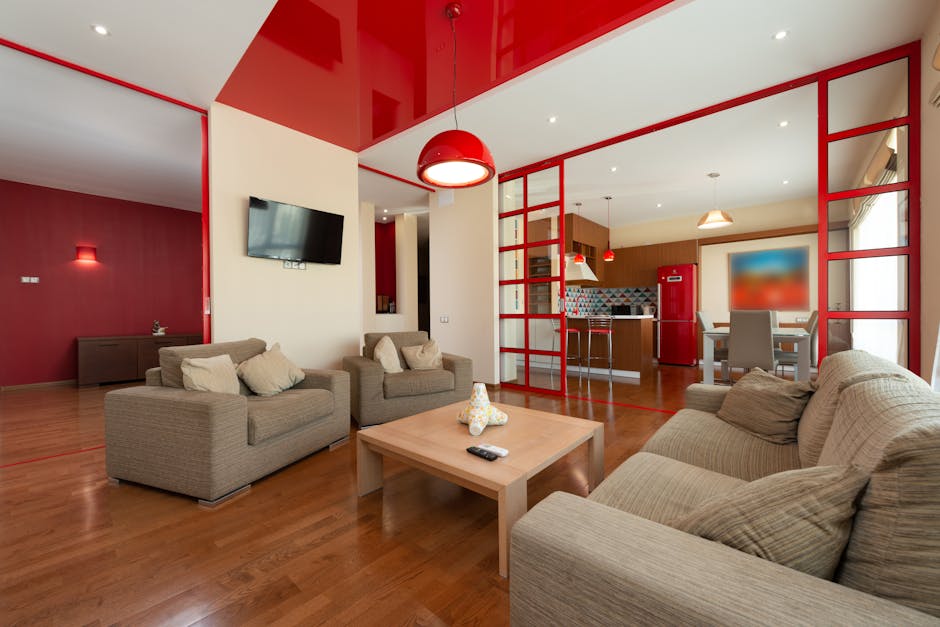
One of the most frequent mistakes in small living rooms is overcrowding the area with too much furniture or decor. While it may be tempting to fill the room with various pieces to make it feel more complete, this often leads to a chaotic atmosphere.
How to Fix Overcrowding
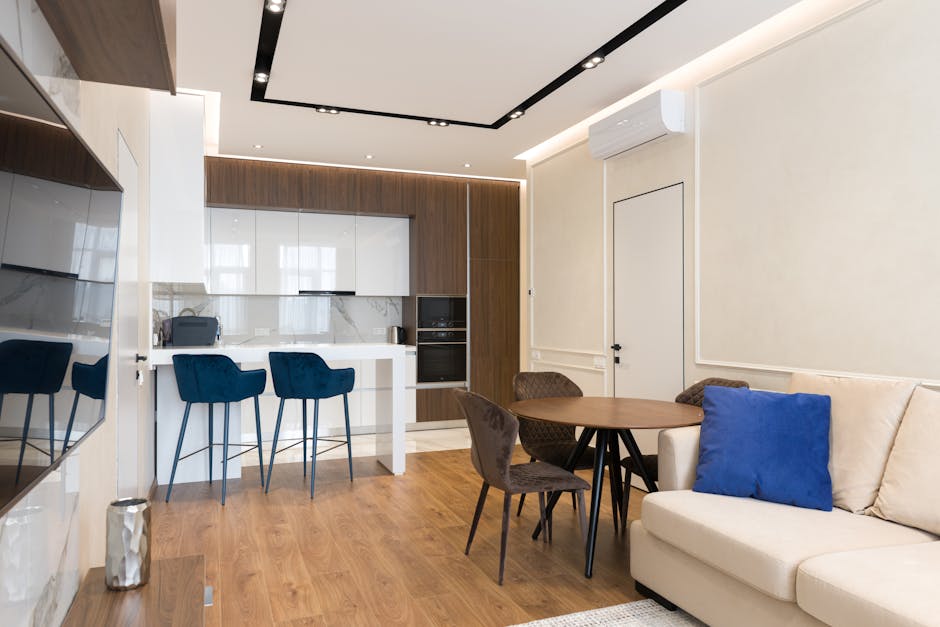
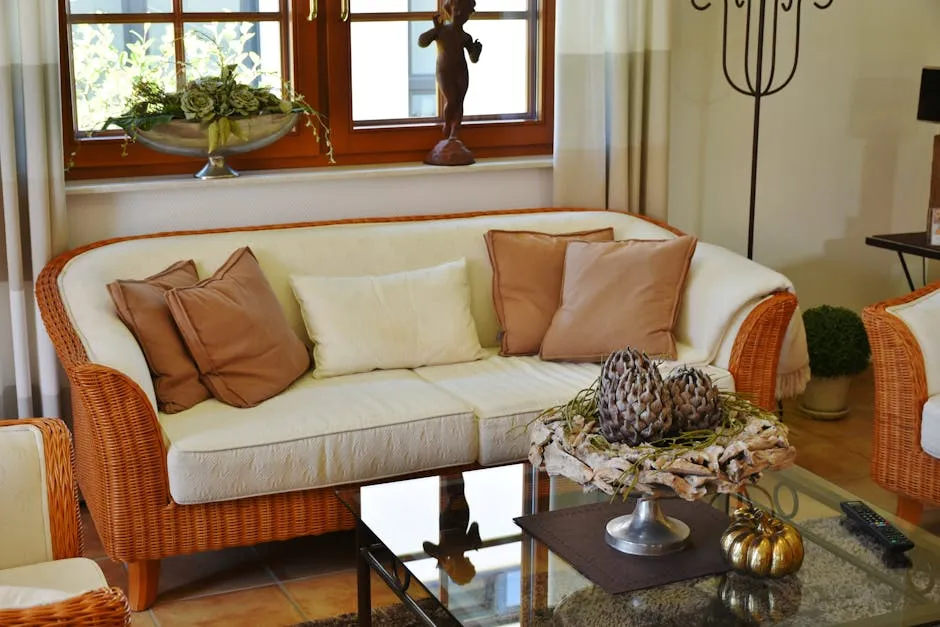
- Prioritize Essential Furniture: Start with the basic pieces that serve a functional purpose, such as a sofa, coffee table, and possibly an accent chair.
- Choose Multi-Functional Items: Look for furniture that can serve multiple purposes, such as an ottoman that doubles as storage.
- Utilize Vertical Space: Consider wall-mounted shelves to keep the floor clear and create an illusion of height.
2. Ignoring the Flow of Movement
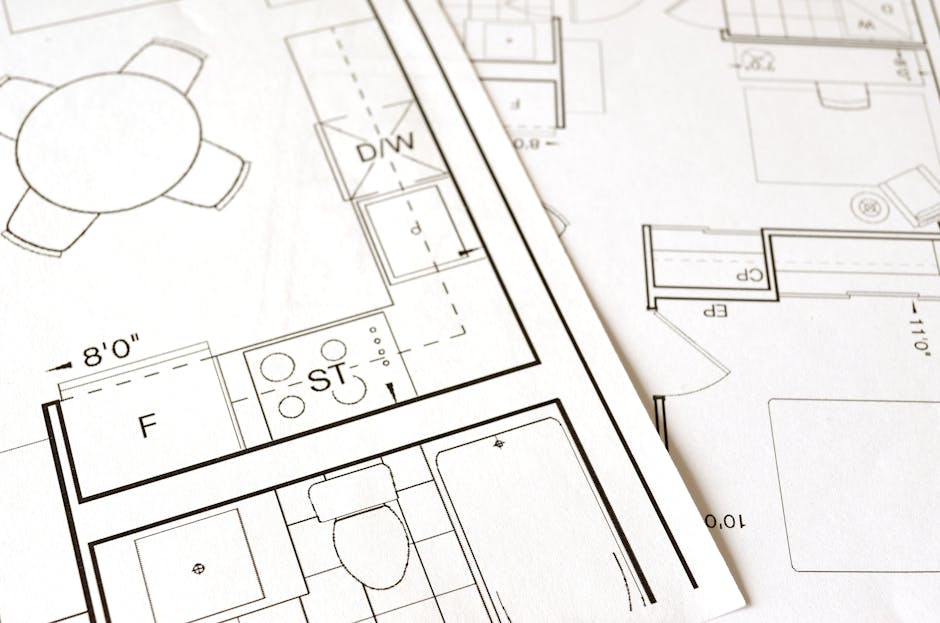
A common layout mistake is neglecting the flow of movement within the room. When furniture is placed haphazardly, it can create obstacles that disrupt the natural flow and make the space feel cramped.
Creating a Cohesive Flow
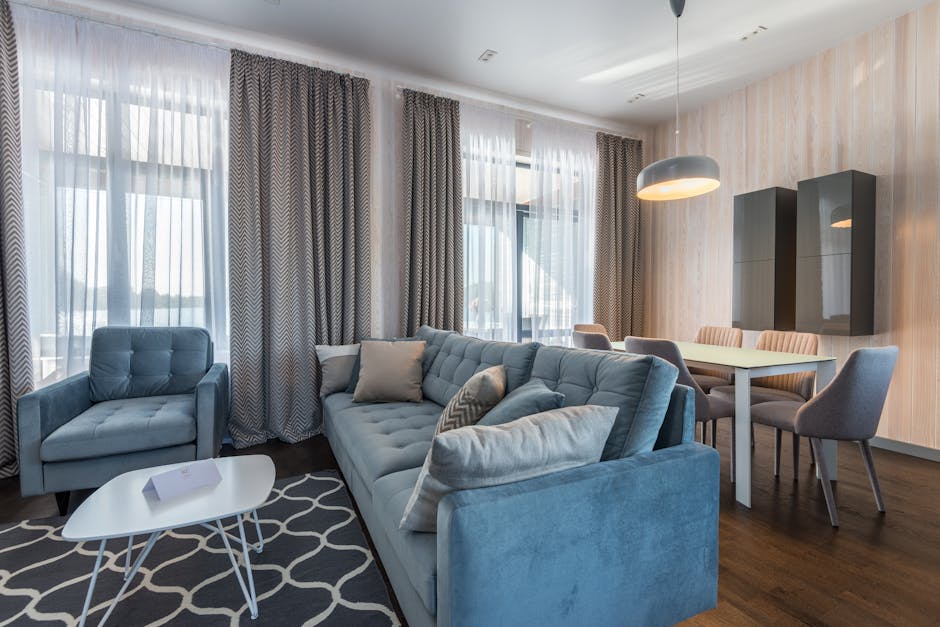
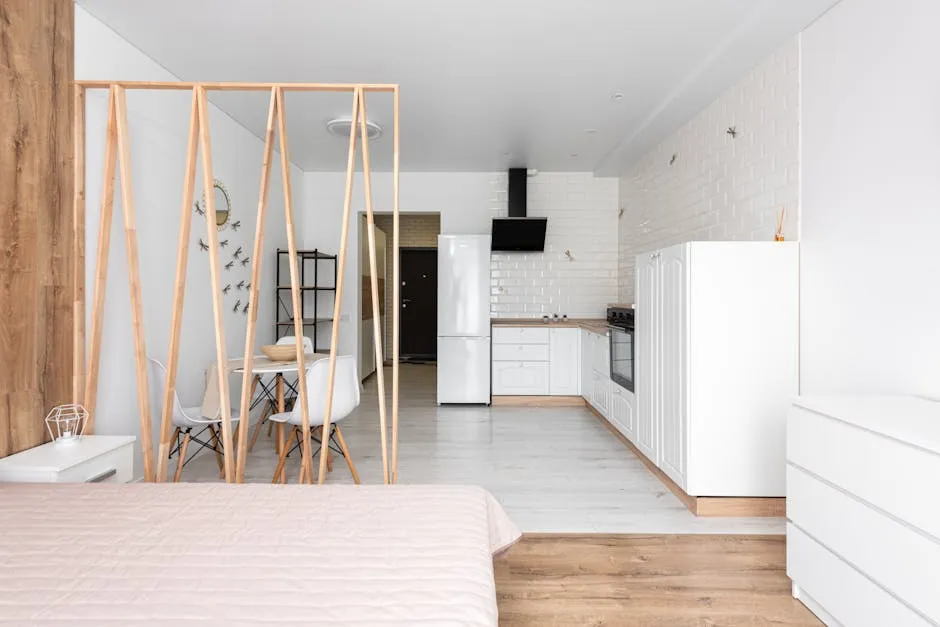
- Establish Clear Pathways: Ensure that there is at least 18 inches of space for walkways to allow for easy movement.
- Arrange Furniture for Conversation: Position seating in a way that encourages social interaction, such as facing each other or forming a U-shape.
3. Failing to Consider Scale and Proportion
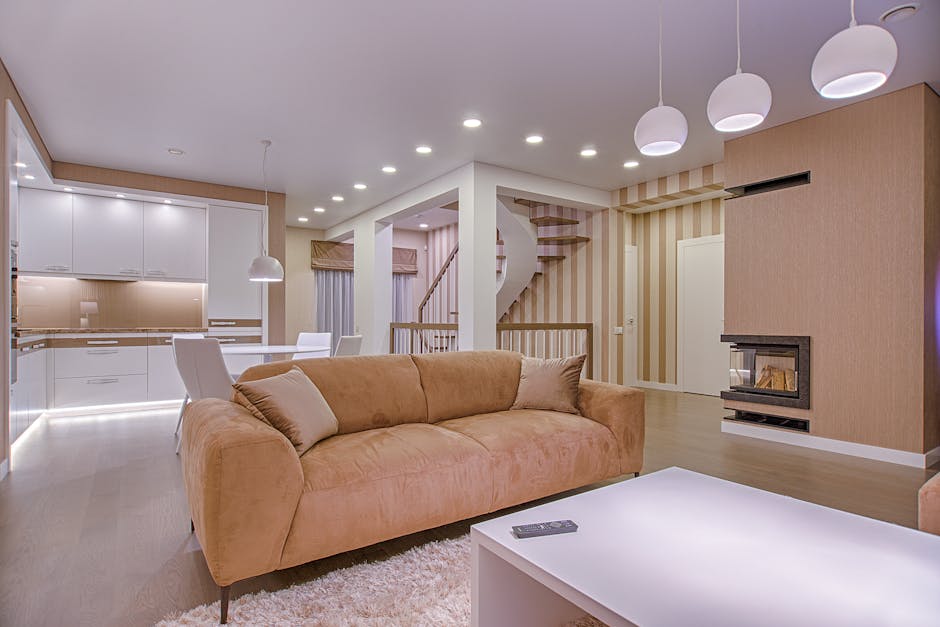
Using furniture that is too large or too small can significantly impact the perceived size of a small living room. Oversized furniture can overwhelm the space, while tiny pieces can make it feel disjointed.
Choosing the Right Scale
When selecting furniture, opt for pieces that are proportionate to the size of the room. Here are some tips:
- Measure Before You Buy: Use tape to mark out the dimensions of furniture on the floor to visualize how it will fit.
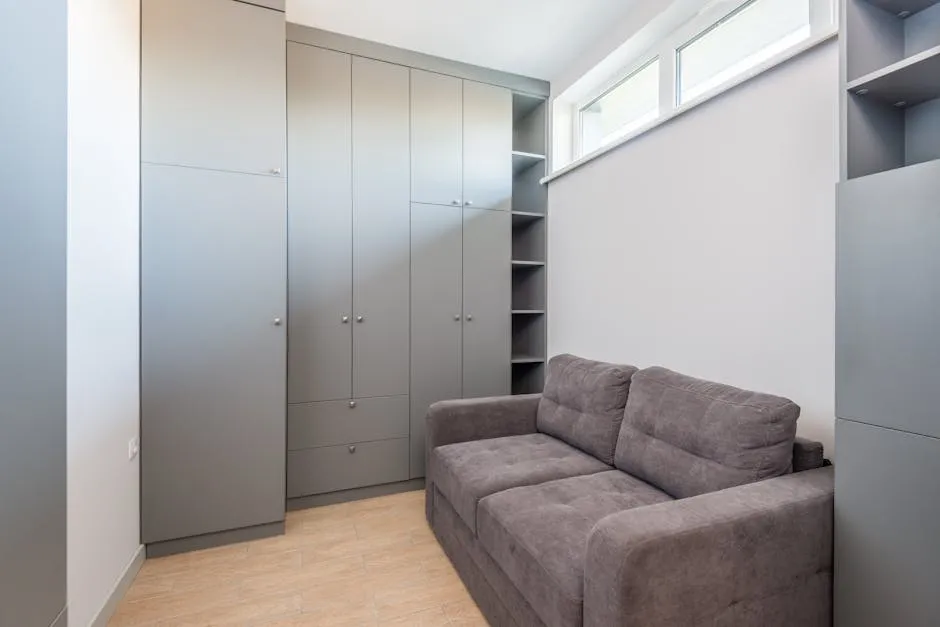
- Opt for Sleek Designs: Furniture with slender profiles can make a small living room appear larger.
4. Neglecting Lighting
Lighting plays a crucial role in how a small living room feels. Poor lighting can make the space feel even smaller and less inviting.
Enhancing Lighting in Small Living Rooms
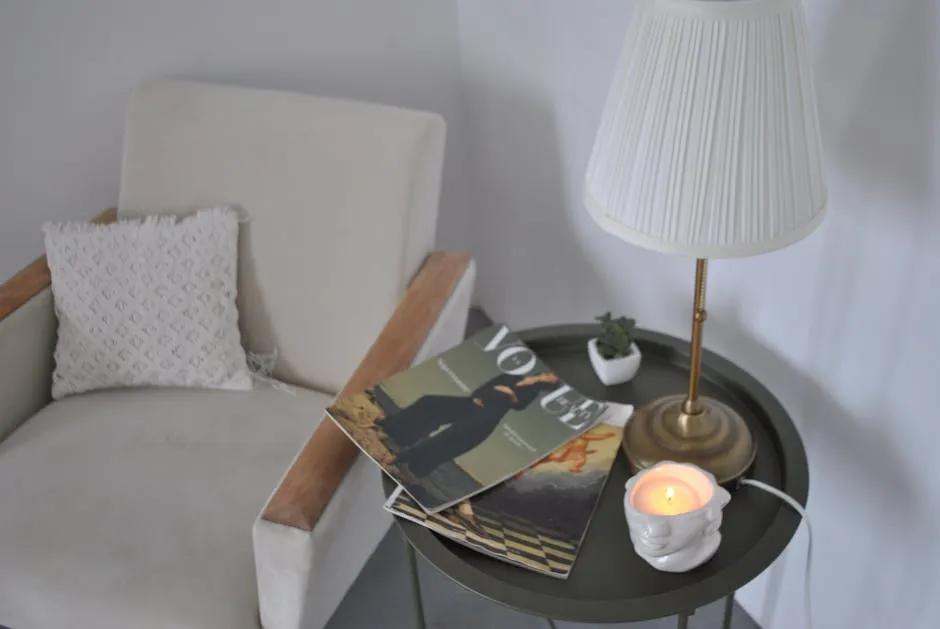
- Incorporate Layered Lighting: Use a combination of ambient, task, and accent lighting to create a well-lit space.
- Utilize Natural Light: Keep window treatments light and airy to maximize the amount of natural light entering the room.
5. Overlooking Color Choices
The colors chosen for a small living room can greatly influence its atmosphere. Dark colors may make the room feel closed in, while lighter colors can open up the space.
Effective Color Strategies
- Stick to a Neutral Palette: Using soft, neutral colors can create a sense of tranquility.
- Add Pops of Color: Introduce vibrant accents through throw pillows, artwork, or rugs to add personality without overwhelming the space.
6. Disregarding Personal Style
Many homeowners feel pressured to conform to specific trends when designing their small living rooms, leading to a space that lacks personal touch.
Incorporating Personal Style
Make the space feel uniquely yours by:
- Choosing Decor that Reflects Your Personality: Display items that resonate with you, such as artwork or family photos.
- Creating a Theme: Whether it's bohemian, modern, or rustic, ensure that your decor follows a cohesive theme to unify the space.
Frequently Asked Questions
Look for modular furniture, such as sectional sofas that can be rearranged, and items with built-in storage to maximize space efficiency.
Use mirrors strategically to reflect light, opt for lighter colors on walls, and choose furniture with legs to create an illusion of more space.
Layered lighting is ideal; combining overhead fixtures, table lamps, and floor lamps can help create depth and ambiance.
Yes, area rugs can define spaces and add visual interest. Choose a rug that fits under all major furniture pieces to unify the room.
Incorporate soft textiles, warm lighting, and personal decor elements to create a welcoming and cozy environment.